In the Ecuadorian city of Cuenca, the city’s grandmothers cook a style of hearty Latin American street food relatively unknown to an international audience. But could they be one of the last generations to do so?


In the Ecuadorian city of Cuenca, the city’s grandmothers cook a style of hearty Latin American street food relatively unknown to an international audience. But could they be one of the last generations to do so?
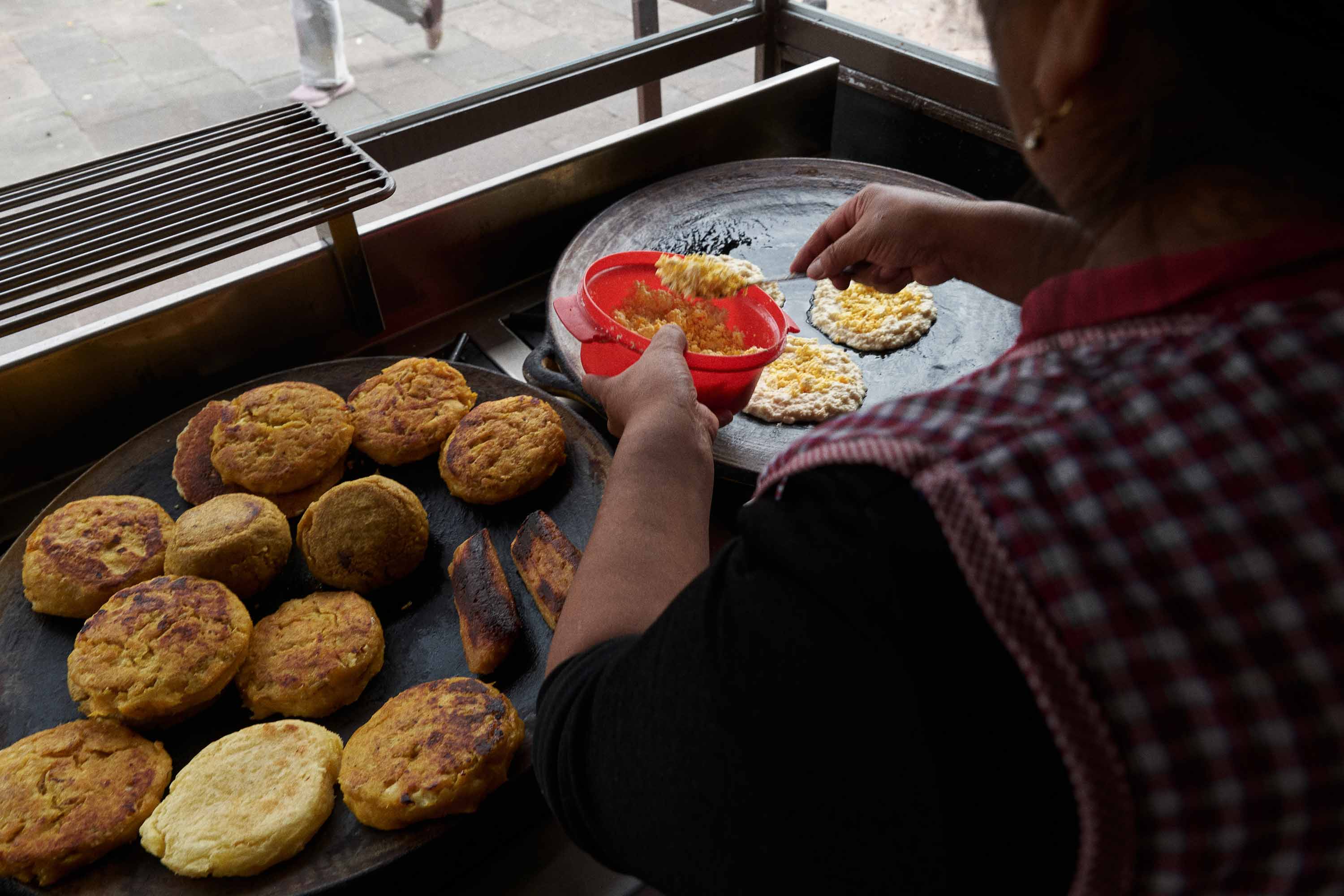
The sun is out in Cuenca but as local street cooks know, its fickle rays hold no promises for the afternoon. Julia Estela stands under her shaded outdoor stove spooning the batter of corn tortillas onto a searing-hot tiesto, a rustic clay pot used in this part of Ecuador since before the Incas. When the batter meets the scorching surface, its sizzle joins the sounds of Cuenca streets, of morning traffic and a “buenos dias” exchanged between neighbors.
Julia flips the tortillas effortlessly. It’s a recipe her grandmother taught her decades ago as a child growing up in the countryside. “My grandmother planted corn. We harvested it, opened the cobs, shelled the kernels, and ground them by hand on a stone mill,” she says. This type of food—‘homey’ curbside comfort foods that warm you up on nights when Cuenca’s high-altitude mountain air threatens to creep inside your bones—is what I’ve come to know as ‘grandma’s cooking’ with locals almost always mentioning their own abuela (grandmother) after the first bite.
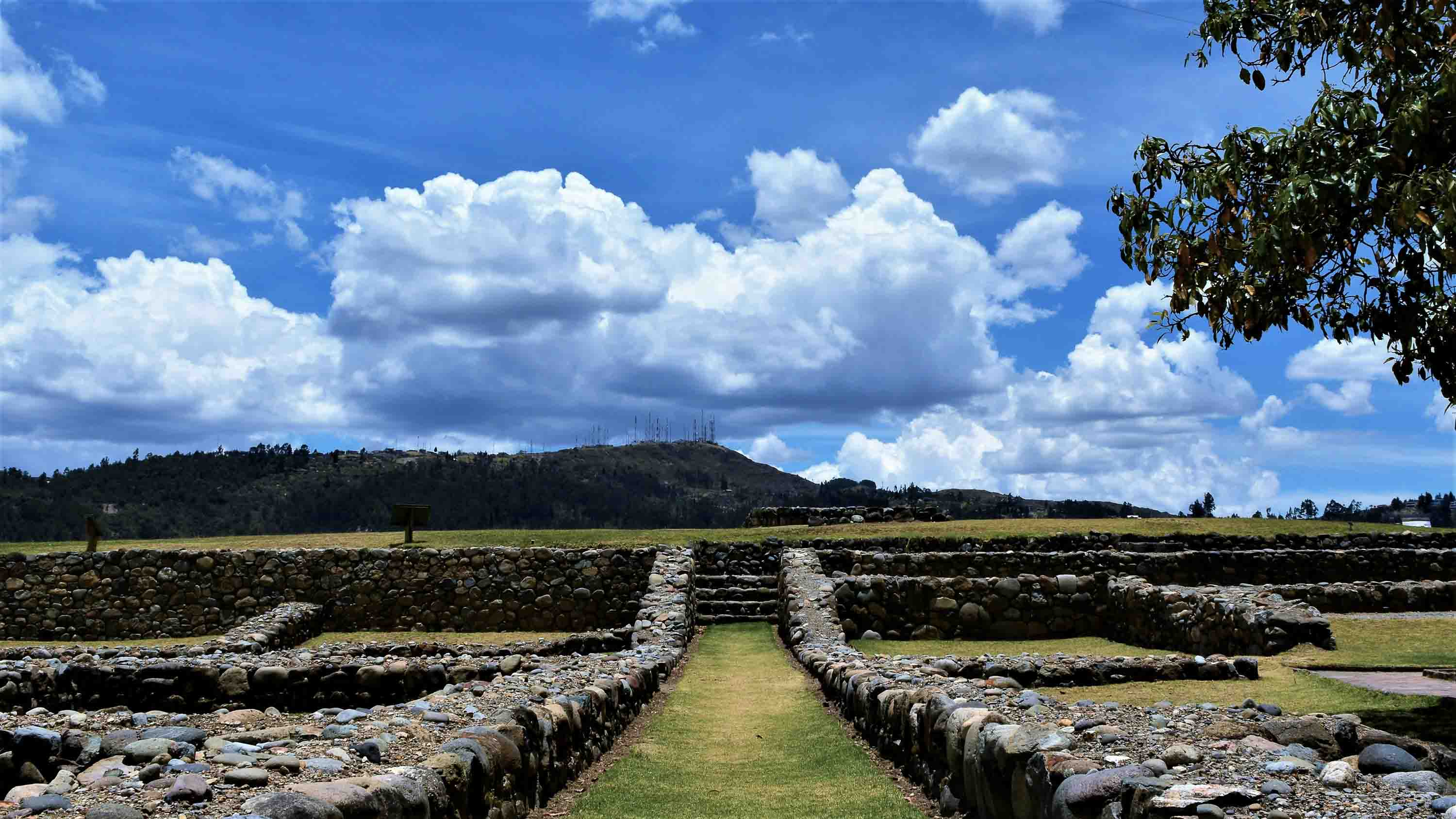
Hot off the stove, the tortillas complete the morning in Cuenca’s Las Herrerias neighborhood. It’s a traditional blacksmith enclave along the old Inca road in southern Ecuador’s Andes mountains, with an old-world charm, where rustic homes give a glimpse into an era past and lagging balconies explode with geraniums. Just beyond Julia’s stove, the Pumapungo Incan ruins loom large. It feels fitting to be eating this food—carby traditional snacks, the kind best served with coffee—in a neighborhood where the backdrop is as old as the recipes.
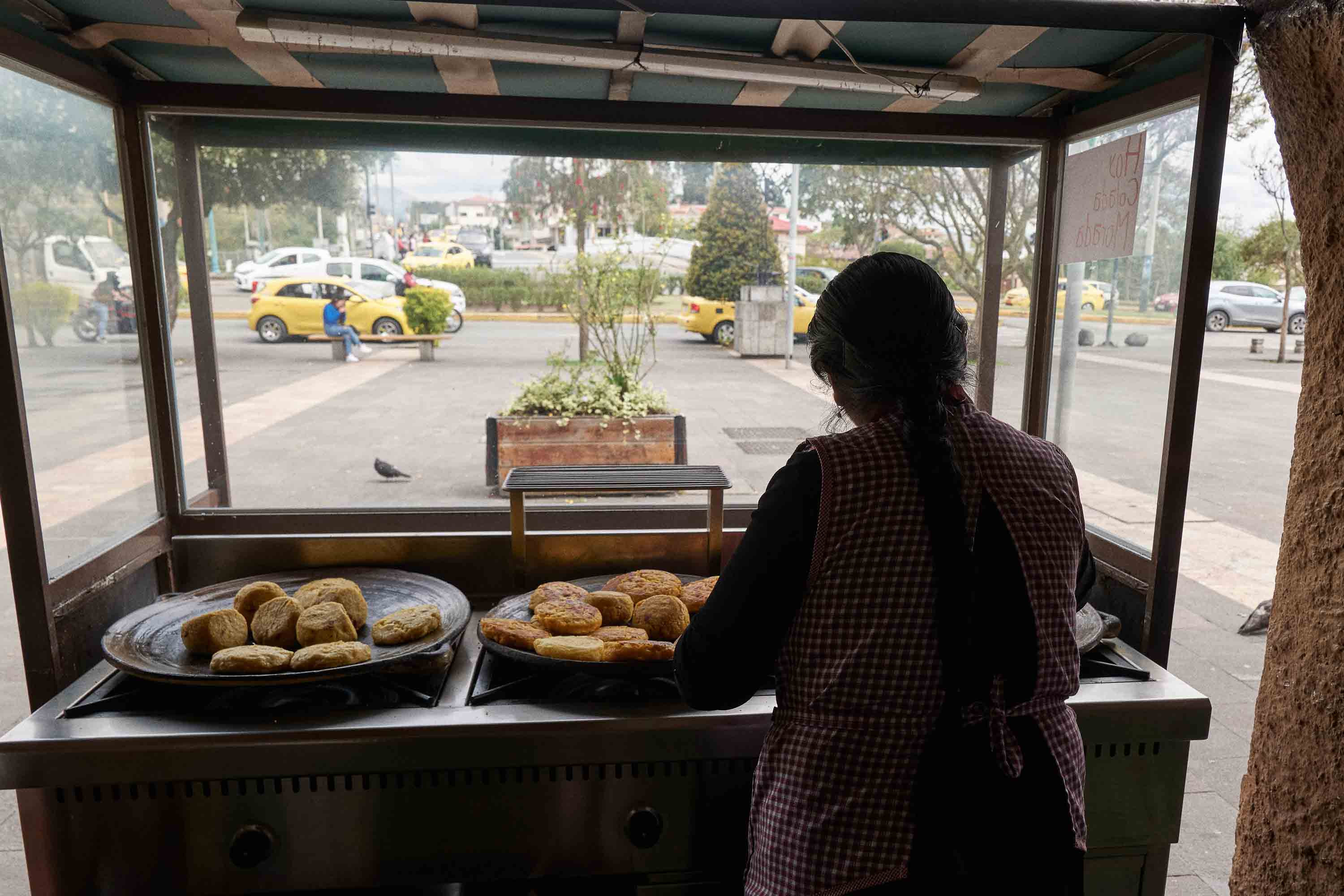
A taxi horn blares as I bite into the tortilla, filled with highland flavors: White corn, fresh cheese made with local cow’s milk, and topped with salsa de aji, a tree tomato sauce which graces nearly every table in Cuenca.
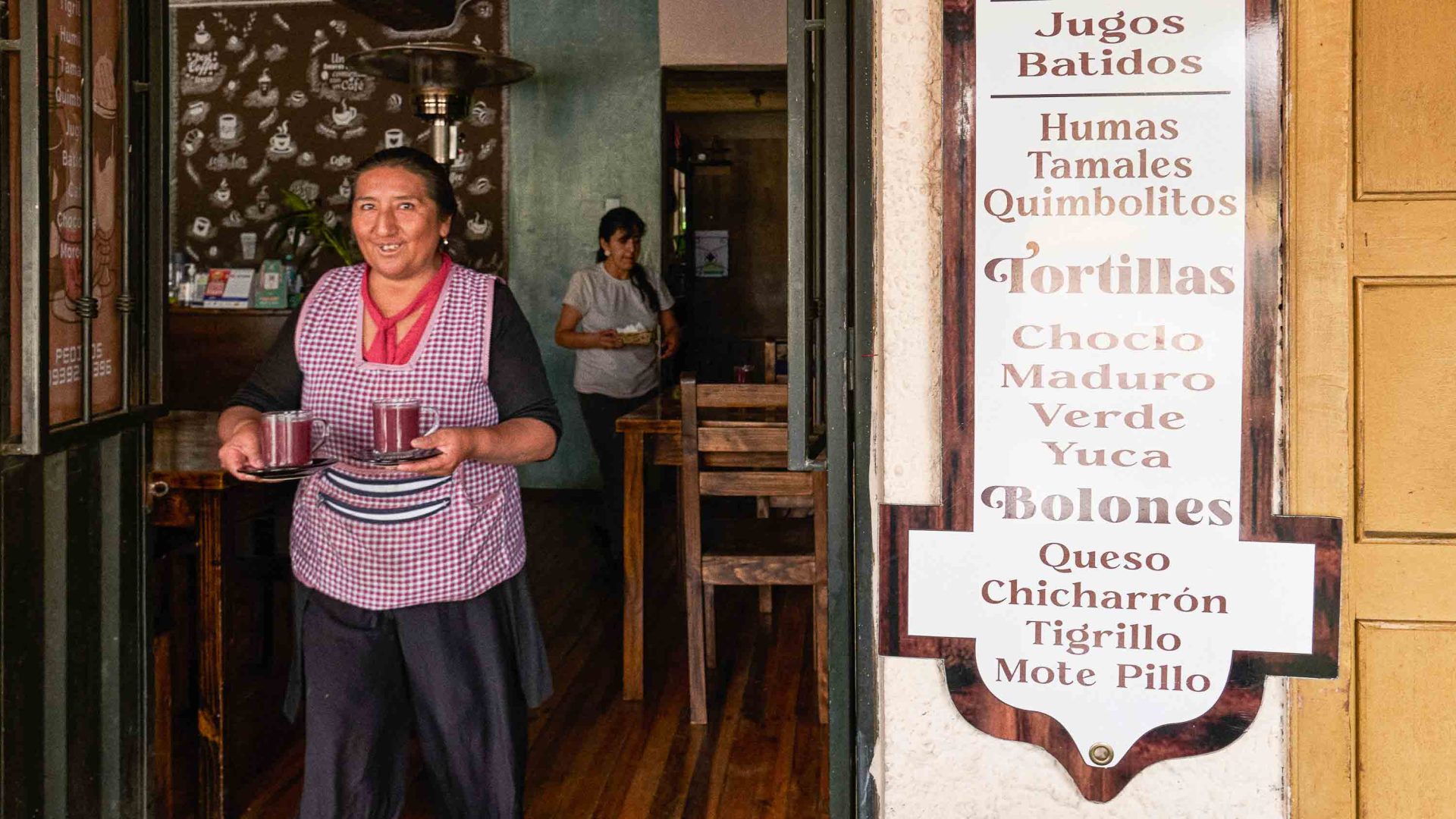
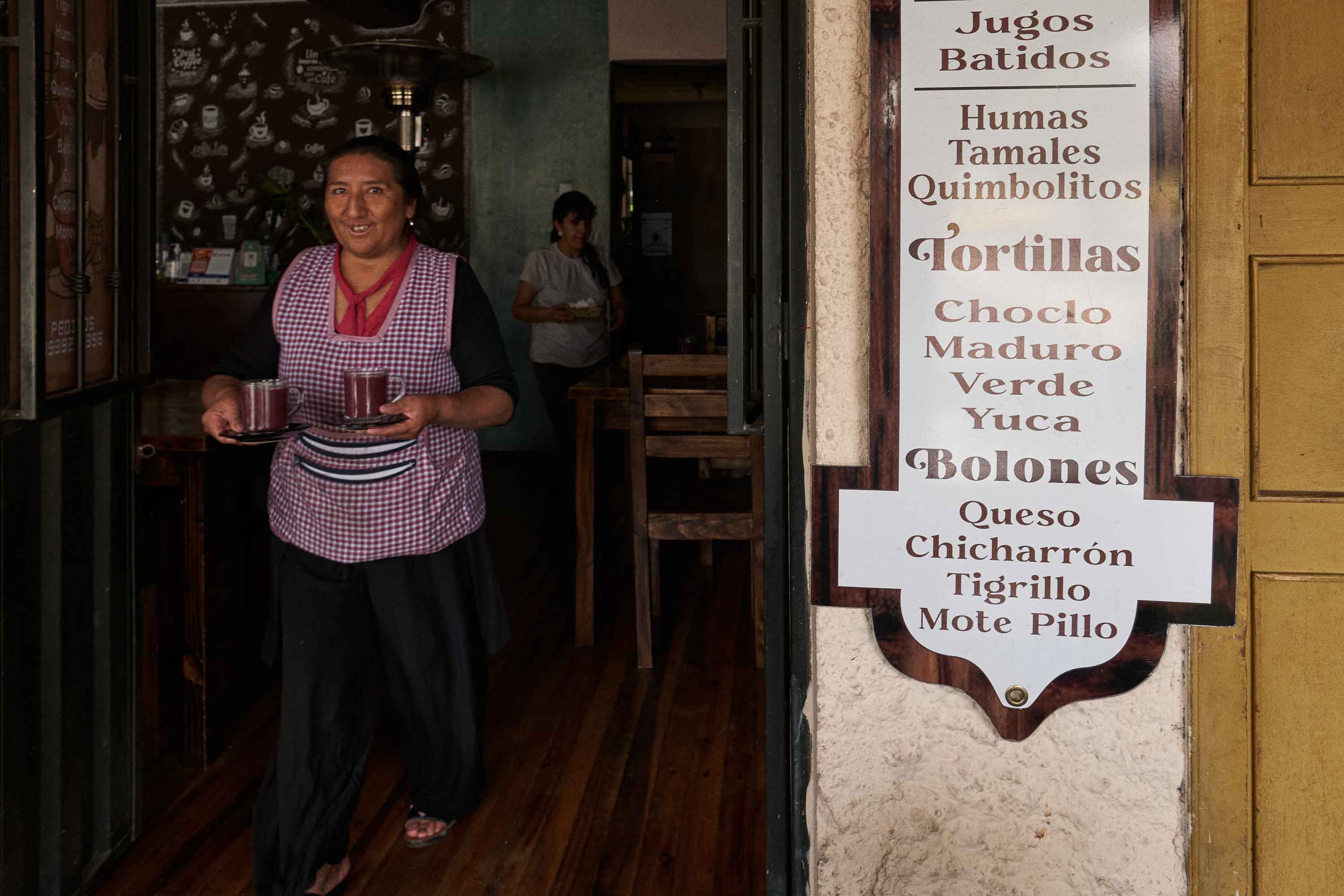
Usually served from street-facing stovetops, sometimes in front of modest restaurants, these bites include bolón de verde, balls of mashed plantain stuffed with cheese and pork belly; tortillas made with corn, plantain, or yuca; empanadas de viento, sugar-dusted empanadas filled with cheese; and warming tamales containing shredded pork or chicken and wrapped in Andean achira leaves. Then there’s the corn cakes, called humitas, and their raisin or chocolate-chip flecked cousin, the quimbolito, wrapped in corn husks, steamed and served alongside velvety hot chocolate.
“Unfortunately, what we’re seeing with the new generations is that much of these traditions are disappearing. That’s not only the traditions in gastronomy, but the traditions within our trades, like the blacksmiths. The biggest impact on these communities is probably migration.”
- Cristian Encalada, guide, Polylepis Tours
“We used to make lots of humitas to share with the neighbors,” Estela remembers. “My grandma tried to save some for our breakfasts but when my cousins and I would eat together, we’d sit until they were all gone.”
So far, this cuisine, passed down through generations, has stood the test of time. But when these women are gone, will younger Ecuadorians keep their recipes alive? Though younger cooks exist, these women are the masters. Estela shrugs. “Young people don’t cook like this anymore. Because of the country’s economic situation, everything has gotten expensive: Pots, leaves, corn, even little spoons. Before, things weren’t so costly.”

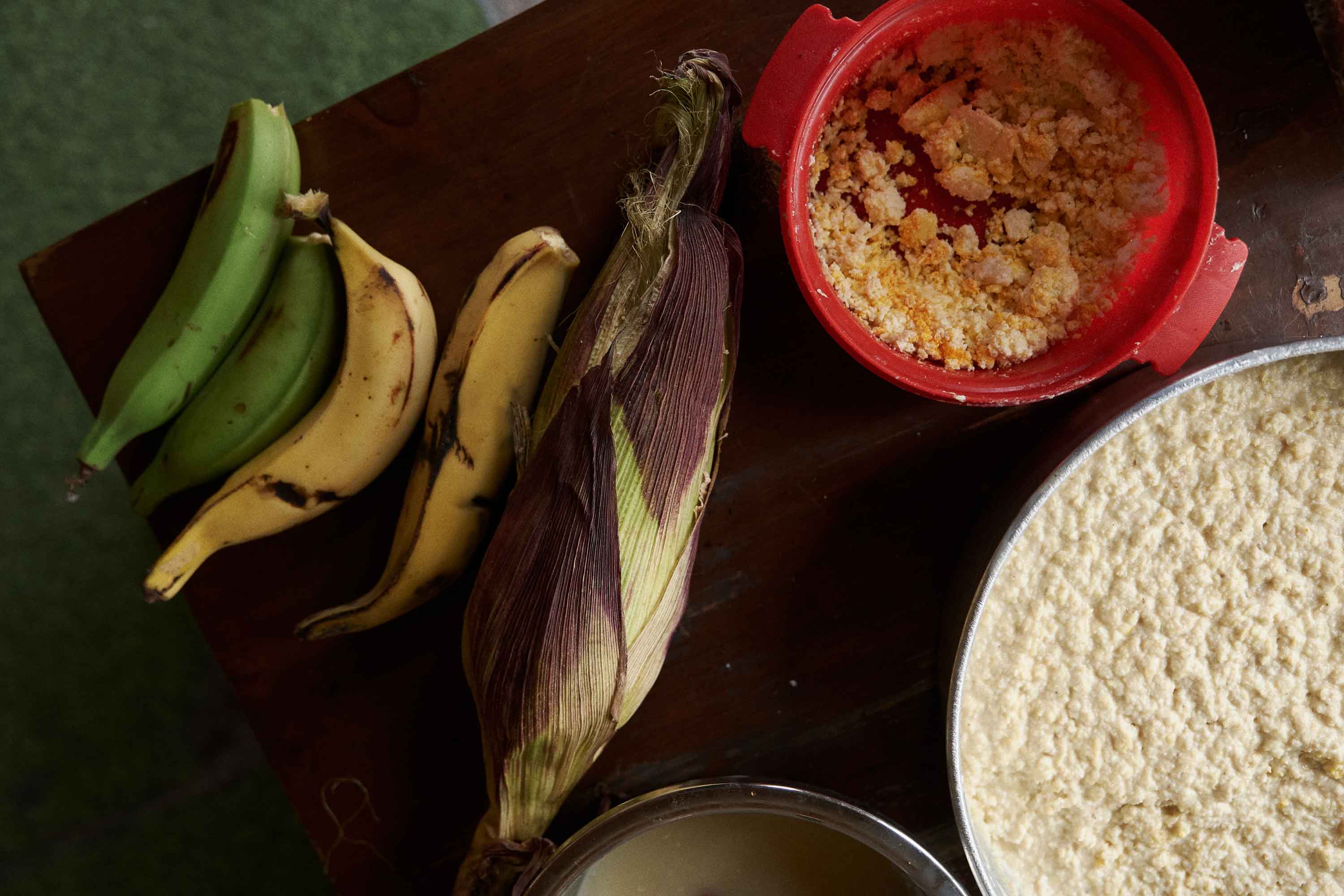
Much of the world might better understand Latin American street food as juicy tacos, elotes [charred corn-on-the-cob], or churros. But the mountain street food of Ecuador is just as worthy of recognition, in a country whose high-altitudes offer a rich, corn-centered and distinctly down-to-earth Andean flavor profile all of their own. So much so that in late October this year, Cuenca was added to UNESCO’s Creative Cities list, thanks to its gastronomy.
“This style of cooking probably goes back to the Cañari and Incan periods,” says Cristian Encalada, a local and friend-of-a-friend who guides street food tours through Polylepis Tours. “But many of these recipes were also mixed as we were colonized. They were influenced over a long period of time.”
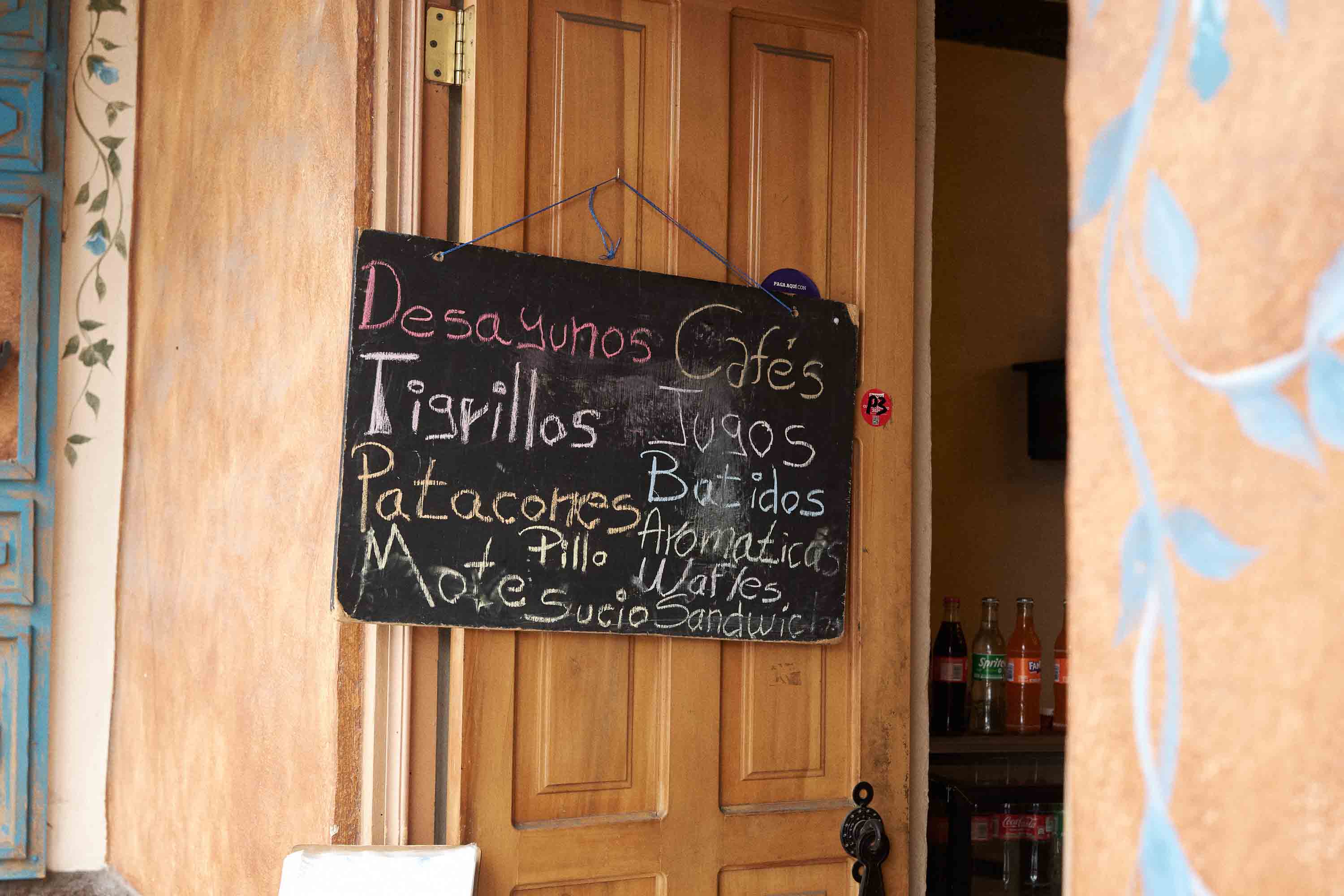
“You could eat really well on street food alone,” Encalada says. He’s right; street food in Cuenca is all about variety. You’ll find full pigs roasting roadside, their skins crisped up with a blow torch. On many corners, there’s zesty ceviche, salty quail eggs, pork sandwiches, fruit juices galore, salchipapas (fries topped with a sausage), and sizzling meat skewers known as chuzos. There’s the llapingacho potato patty and, of course, mountains of Cuenca’s iconic mote.
Mote, a side dish of cooked white corn kernels, is so common and adored in the city that the inside joke among locals is that anyone super local is said to be “more Cuencano than mote!” By my observations, you can earn the mote-level qualification by speaking with the city’s sing-song accent, loving local food, or even just for living in Cuenca beyond a mere few years as I have. Finally, there’s the region’s famous guinea pigs (cuy) cooked whole on a spit, a local street food favorite.
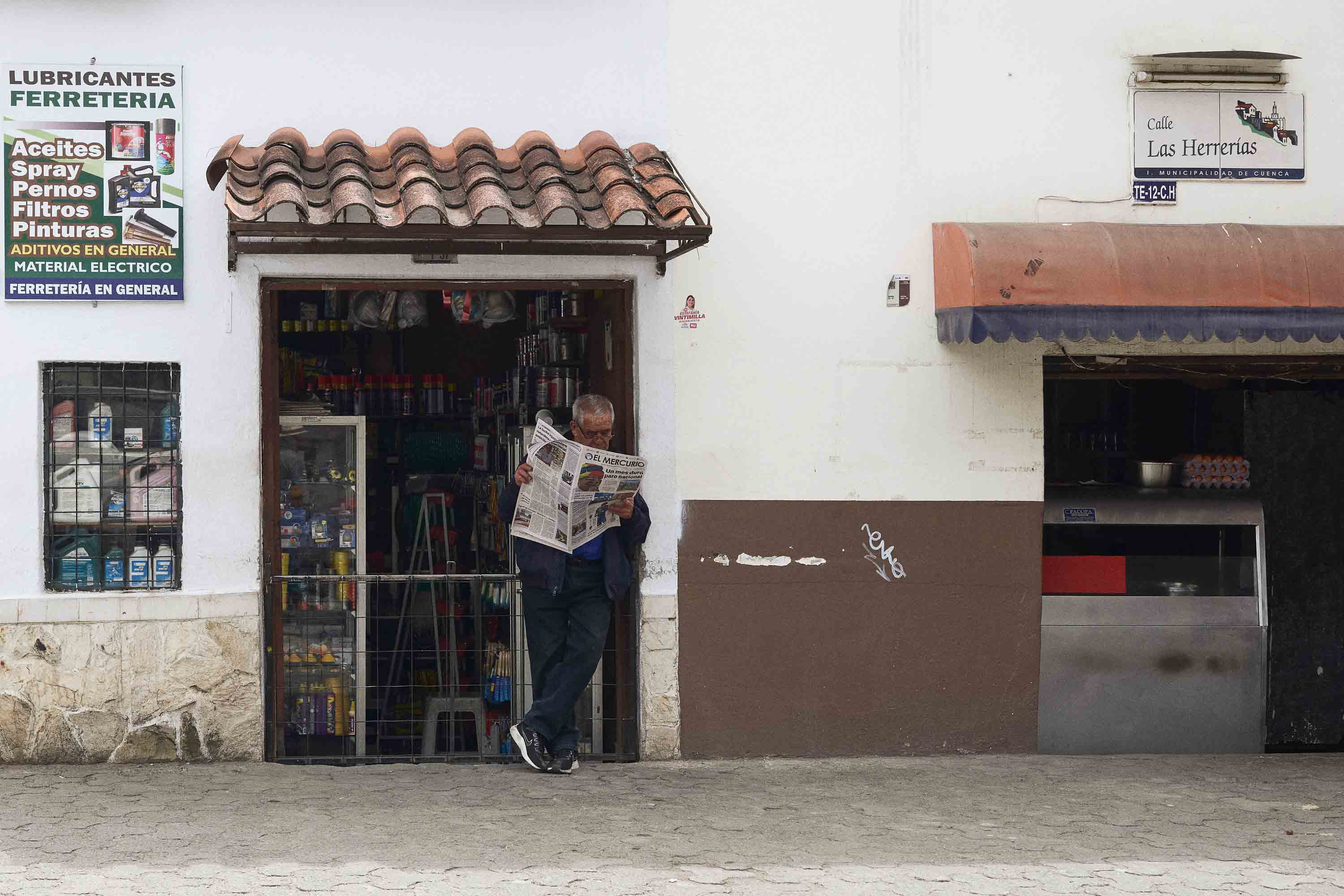
With just crumbs left of the tortillas, we walk through Las Herrerias past a blacksmith’s rain of fire. In a shop stoop, a man reads the morning paper. Next door, flowers adorn wooden rafters and giant pots sit outside.
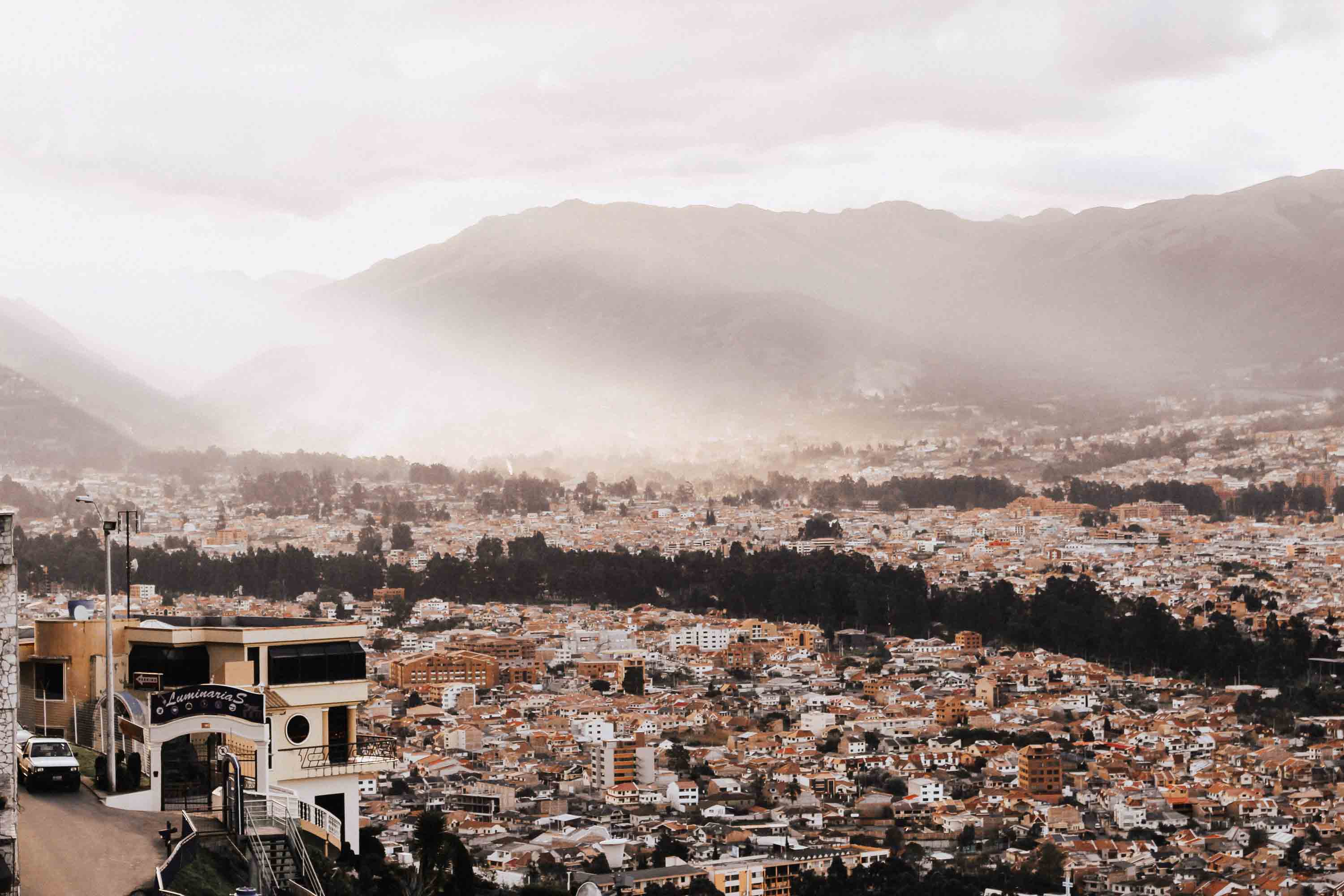
Las Herrerias comes alive after the sun sets behind Cuenca’s terracotta rooftops. Over the years, I’ve come during misty evenings where billows of steam rise through the orange glow of poky curbside restaurants. I’ve watched grandmothers fold empanadas or place a humita into an eagerly-waiting hand, and wondered if they are thinking if their recipes could fade with them.
Encalada understands why I ask about traditional cooking fading. He himself is from a jeweler family and acknowledges their craft might die with him too. I offer a couple theories: Gentrification? Trendy influences overtaking what’s traditional? Las Herrerias itself isn’t gentrified, but elsewhere in the city, American presence is undeniable and there’s always an on-trend restaurant opening. But he doesn’t think that’s it.
“We felt that traditional cooking had been set aside. It’s gaining strength now, but 15 years ago, the most well-known chefs were foreigners and everyone wanted to do Italian, French, or American cuisine.”
- Manolo Morocho, restauranteur, LaMaria
“Unfortunately, what we’re seeing with the new generations is that much of these traditions are disappearing,” he says. “That’s not only the traditions in gastronomy, but the traditions within our trades, like the blacksmiths. The biggest impact on these communities is probably migration.”
I realize I hadn’t considered that. Most Ecuadorian families have been touched by migration. Encalada himself grew up in New York but says the love for his culture pulled him back. Estela mentions brothers who left for the US—Ecuador’s economic collapse in 1999 prompted the country’s biggest mass exodus. It’s estimated about 500,000 left during the financial crisis to hubs like the US and Spain, and that figure is believed to much higher over the years that followed. In 2020, about 1.2 million Ecuadorians lived abroad, and local reports talk of spikes of Ecuadorians leaving and not returning.
My optimistic side says grandma’s cooking couldn’t fade. Ecuadorian pride is a factor that’s difficult to quantify, but evident, and Cuencanos especially are devoted to highlighting—and preserving—their culture.
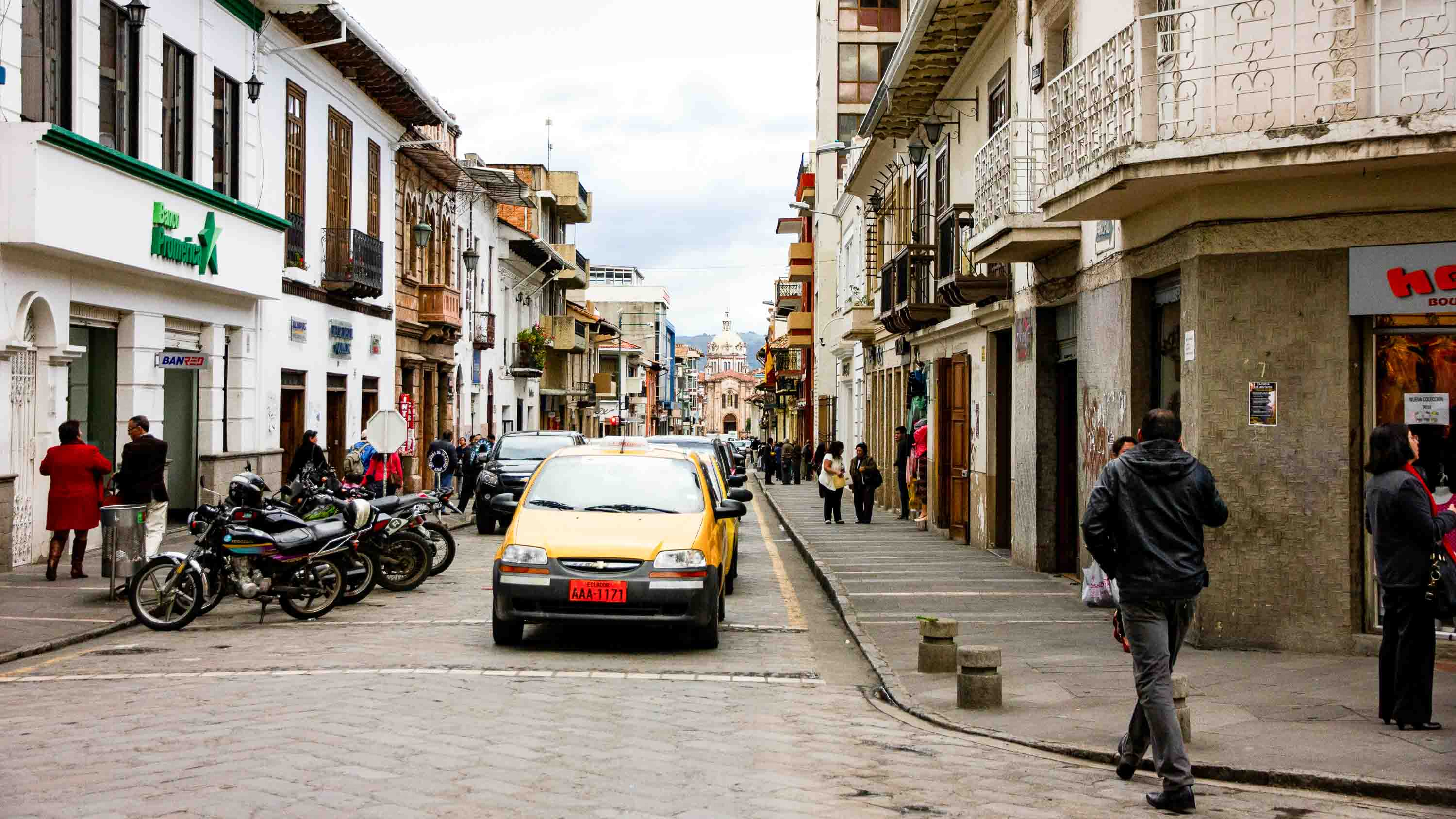
As an example, locals often claim Cuenca as the best city in the world. The historic downtown is preserved with strict rules where the traditional architecture can’t be renovated or changedl; the city celebrates its own independence day for days on end; there are numerous museums showcasing ancestral crafts like handwoven hats; and now a wave of restaurants pay homage to classic Andean cuisine.
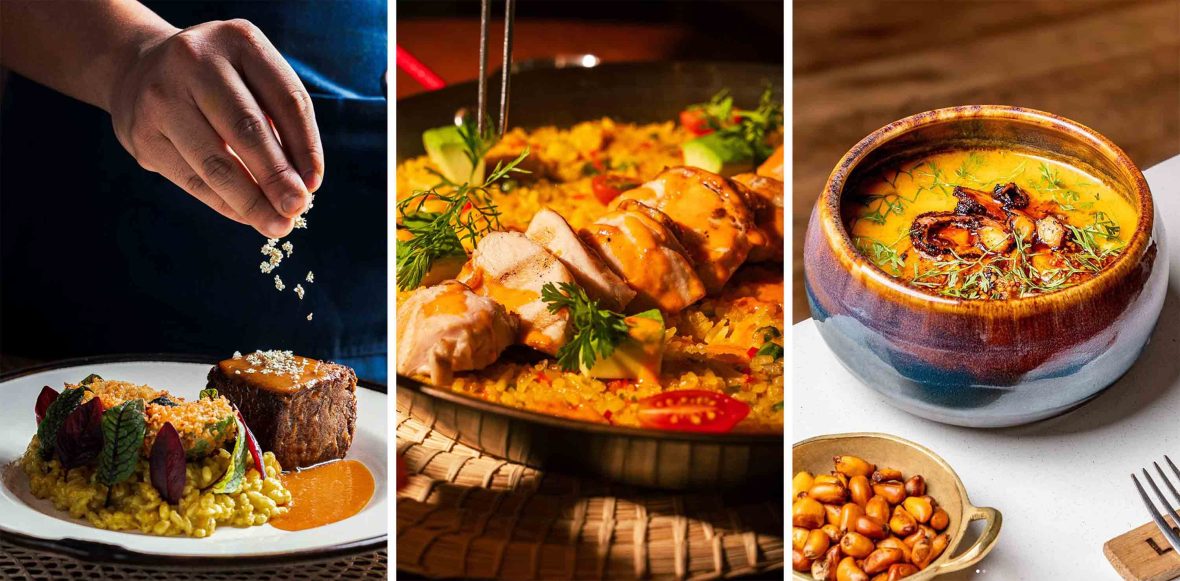
Restaurateurs Manolo Morocho and Vero Herrera do exactly that with their two spots: LaMaria, which gives a creative twist to highland classics, and Los Priostes, which highlights dishes from Ecuador’s many holidays and celebrations.
“We felt that traditional cooking had been set aside,” says Morocho. “It’s gaining strength now, but 15 years ago, the most well-known chefs were foreigners and everyone wanted to do Italian, French, or American cuisine. Meanwhile, dishes like encebollado or caldo de patas were being forgotten. Nobody said, ‘I’m a chef who makes hornado or papas con cuero.’ But those dishes use techniques that are equally complex and valuable.”
He makes a good point. Those dishes he mentions show up in restaurants as much as casual environments like markets and street corners. Encebollado, a coastal fish soup, is a delicate balance of lime to onion to fish ratios, while pork dishes like hornado and papas con cuero require pork to be cooked ‘just’ so. And if you ask me, only an Ecuadorian from the Andes can blowtorch a full pig to perfection as if it’s no big deal while traffic whizzes by.
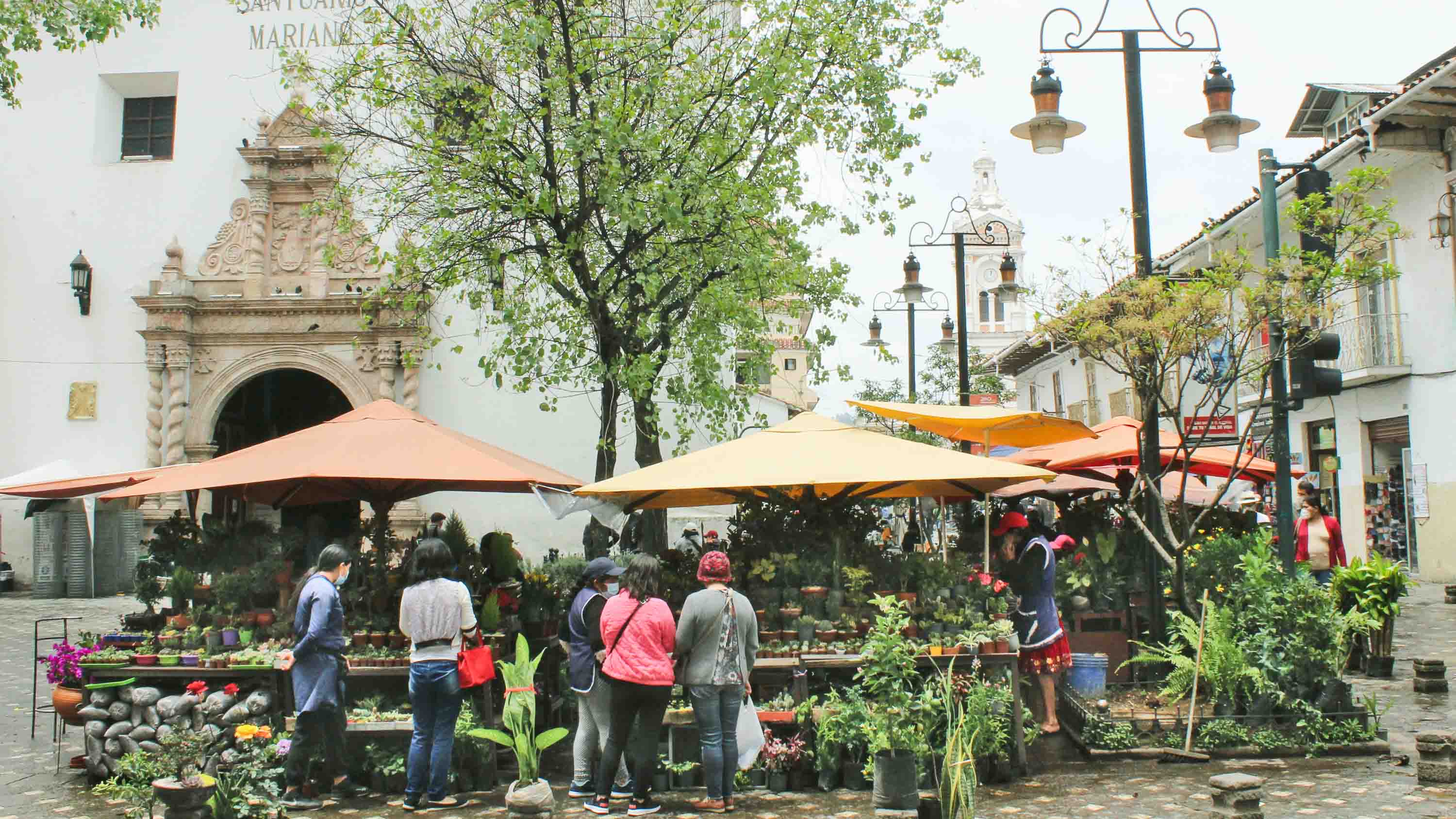
In Los Priostes, nods to Ecuadorian culture are everywhere: New Year’s Eve paper maché masks, a mini firework tower, a bushel of medicinal plants. As we discuss how Ecuadorian street food flavors move into spaces like theirs, the menu speaks for itself. They’re cooking guinea pig empanadas, humitas, pork with Cuenca’s white corn mote, and a sandwich combining the smoky flavors of late-night meat skewers. They even have a cocktail made from the herby rose water drink found in Cuenca’s flower market.
It’s proudly Ecuadorian in a way that’s touching. The goal isn’t to elevate traditional food, Morocho explains, but to preserve and value it. “In recent years, Ecuadorians have had a great attachment to what’s foreign, wanting to have the same restaurants as in the US and Europe,” he explains. “But what’s Ecuadorian is stronger and always stands out. No matter how luxurious something is, the Ecuadorian part wins.”
It’s an answer more satisfying than mote.
****
Adventure.com strives to be a low-emissions travel publication. We are powered by, but editorially independent of, Intrepid Travel, the world’s largest travel B Corp, who help ensure Adventure.com maintains high standards of sustainability in our work and activities. You can visit our sustainability page or read our Contributor Impact Guidelines for more information.
Sinead Mulhern is a Canadian travel writer and editor who has been living in the beautiful Andean city of Cuenca, Ecuador since 2018. Her writing largely focuses on outdoor adventures and special places in Ecuador. When not writing, she's usually hiking in the Andes, planning local travels, dancing, or exploring Cuenca's UNESCO-designated downtown. Her work has been featured in The Toronto Star, The Daily Beast, Explore, Chatelaine, and others.