With no building higher than the tallest coconut tree, the Cook Islands’ ‘Mana Tiaki’ spirit has made its people natural guardians of culture, land and sea. But can it stay true to its values while balancing tourism and hungry developers?

With no building higher than the tallest coconut tree, the Cook Islands’ ‘Mana Tiaki’ spirit has made its people natural guardians of culture, land and sea. But can it stay true to its values while balancing tourism and hungry developers?
Eating ika mata, the national dish of raw fish marinated in citrus and fresh coconut cream, at the Barefoot Bar of the Pacific Resort on Muri beach, I look out over the luminous, jewel-bright lagoon. It’s clear now why my sub-four-hour flight from Auckland to Rarotonga was full of returning New Zealanders. “We come every year,” the woman seated next to me said. “It’s like a second home to us.”
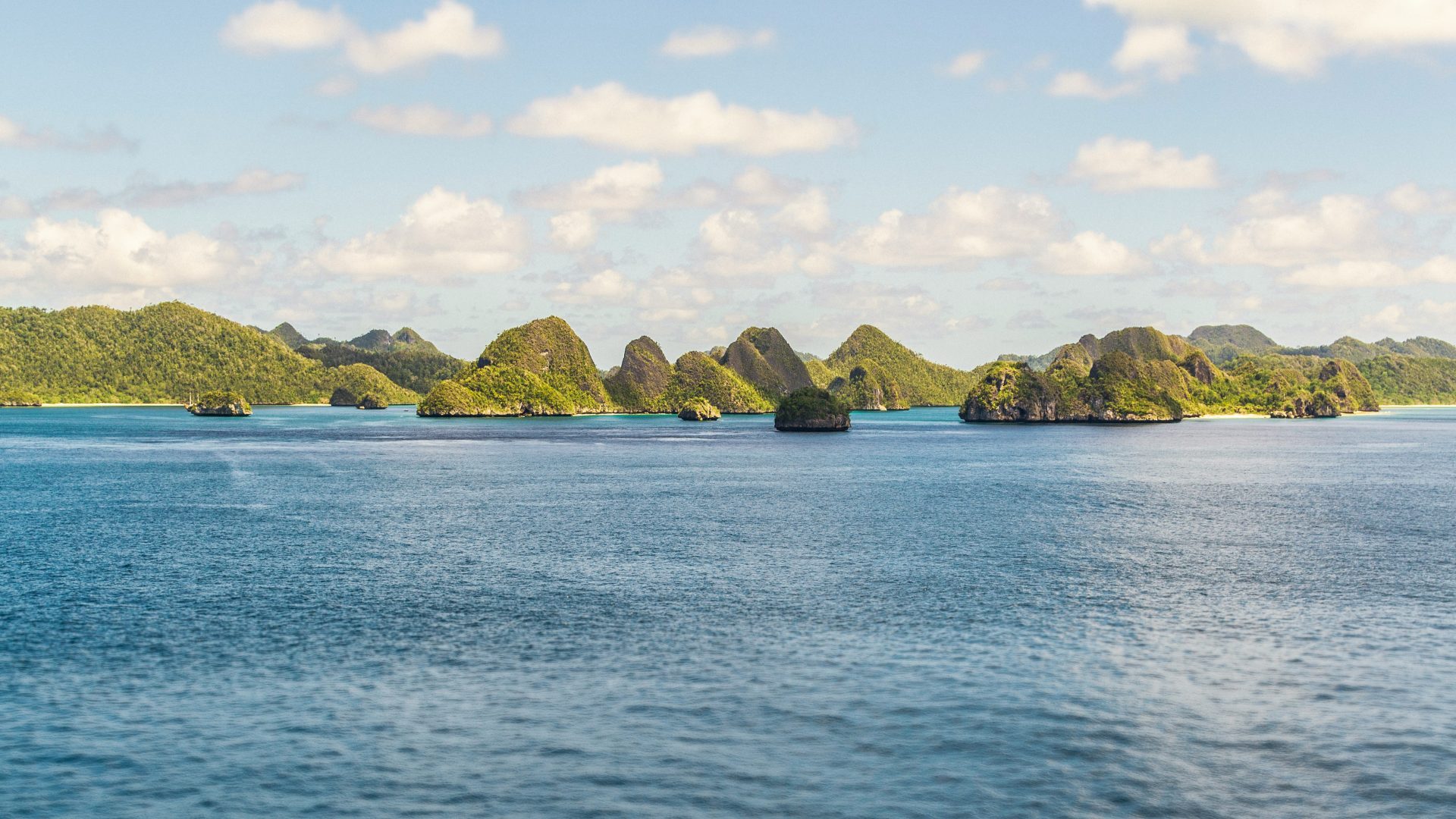
With a mix of 15 volcanic islands and reef-fringed atolls, the idyllic South Pacific archipelago is the kind of paradise luxury developers fight to get a slice of—so how have they resisted overdevelopment? “It’s a mix of government policy and people power,” Cook Islands tourism trade manager Rachel Harris-Best tells me. “Nobody wants it.”
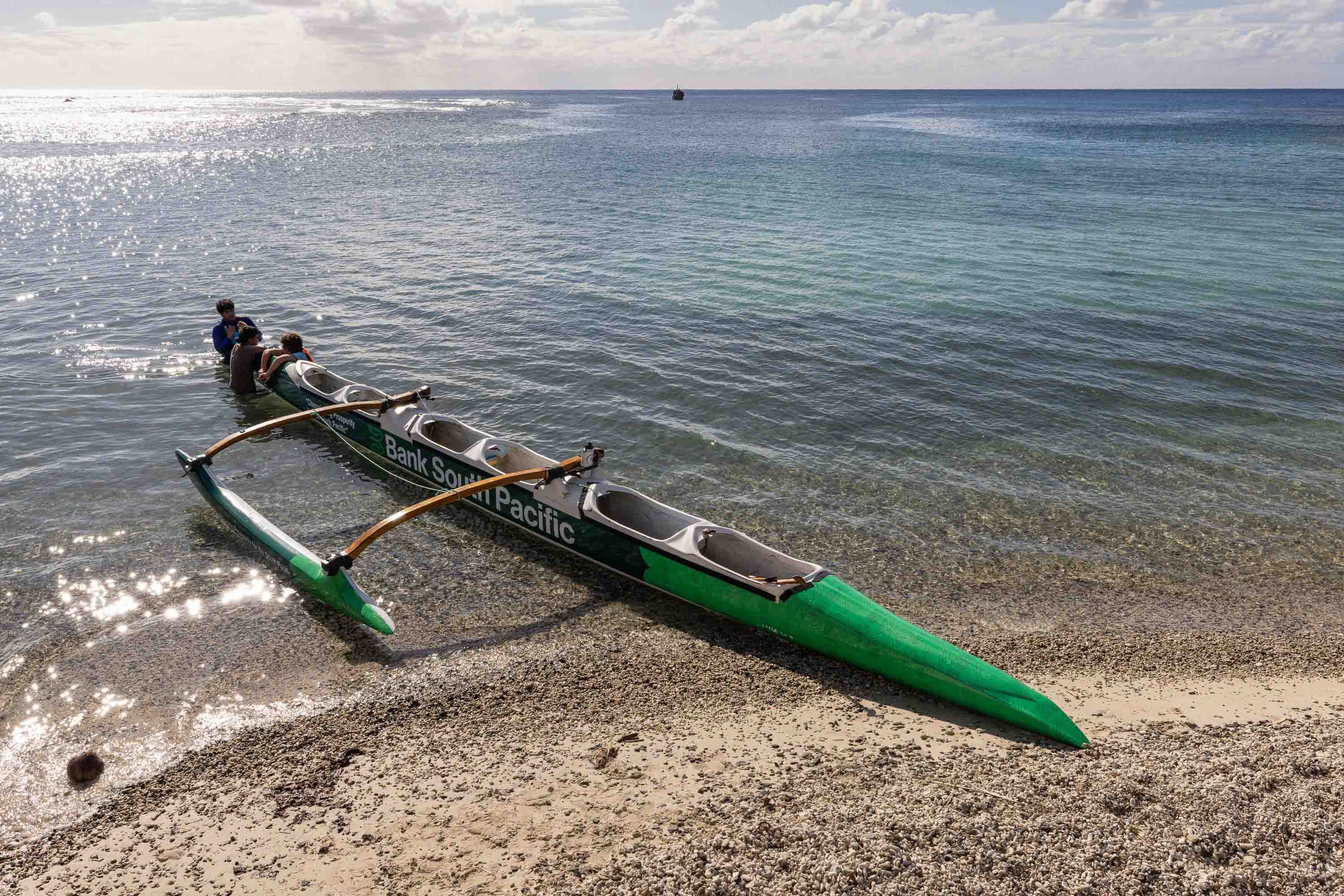
We’re sitting at Trader Jacks, a popular Rarotongan beachside café in Avarua, the northerly capital of the archipelago. The neutral-colored waterfront Vaka Bar is so low-rise it blends in with the harbor, and its open-terraced restaurant offers panoramic ocean views. My attention shifts to a group of canoeists carrying their outrigger crafts onto the shimmering water. Hopping down onto the warm sand for a closer look, I wonder: How could such a pristine location be the commercial capital of the archipelago?
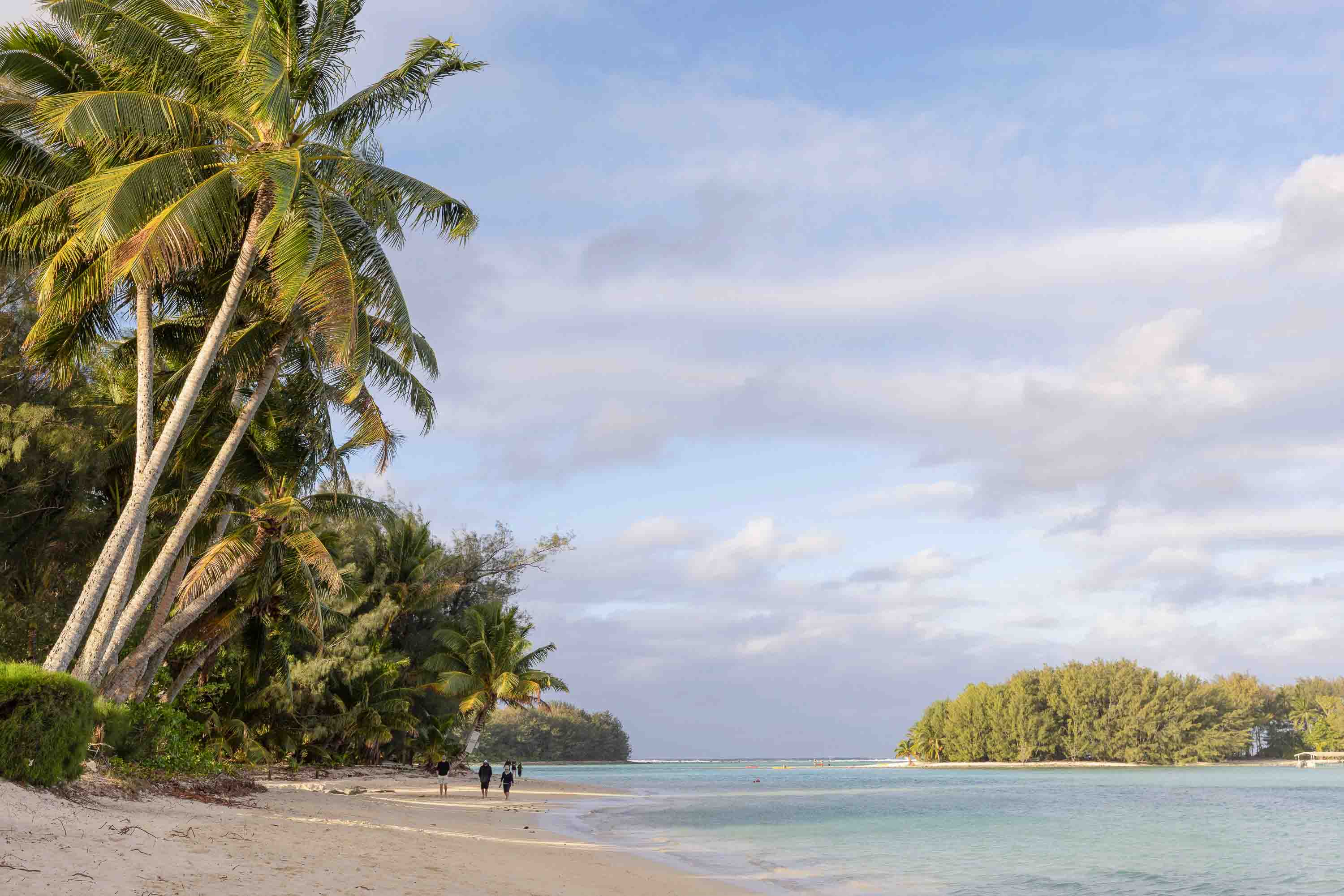
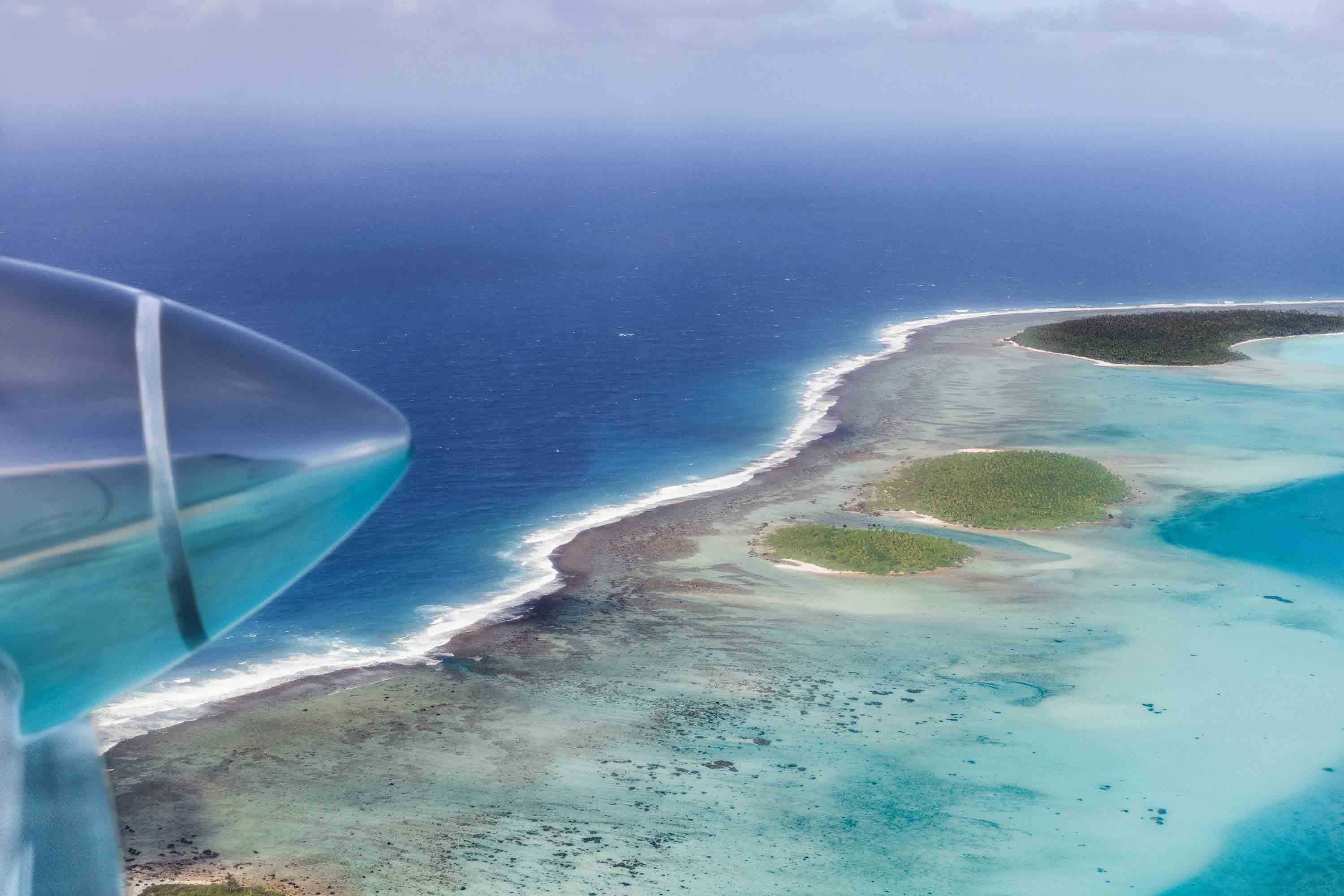
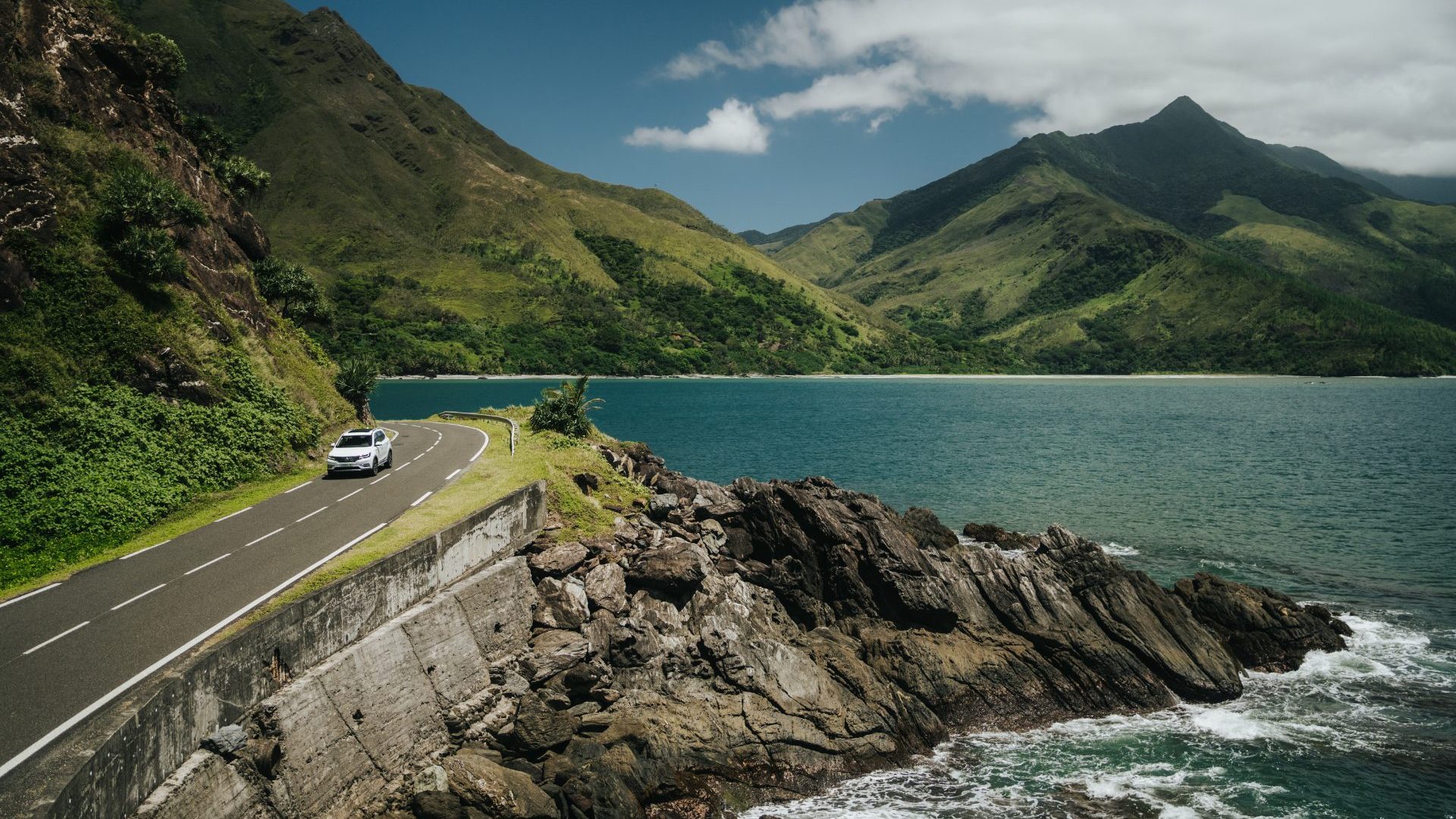
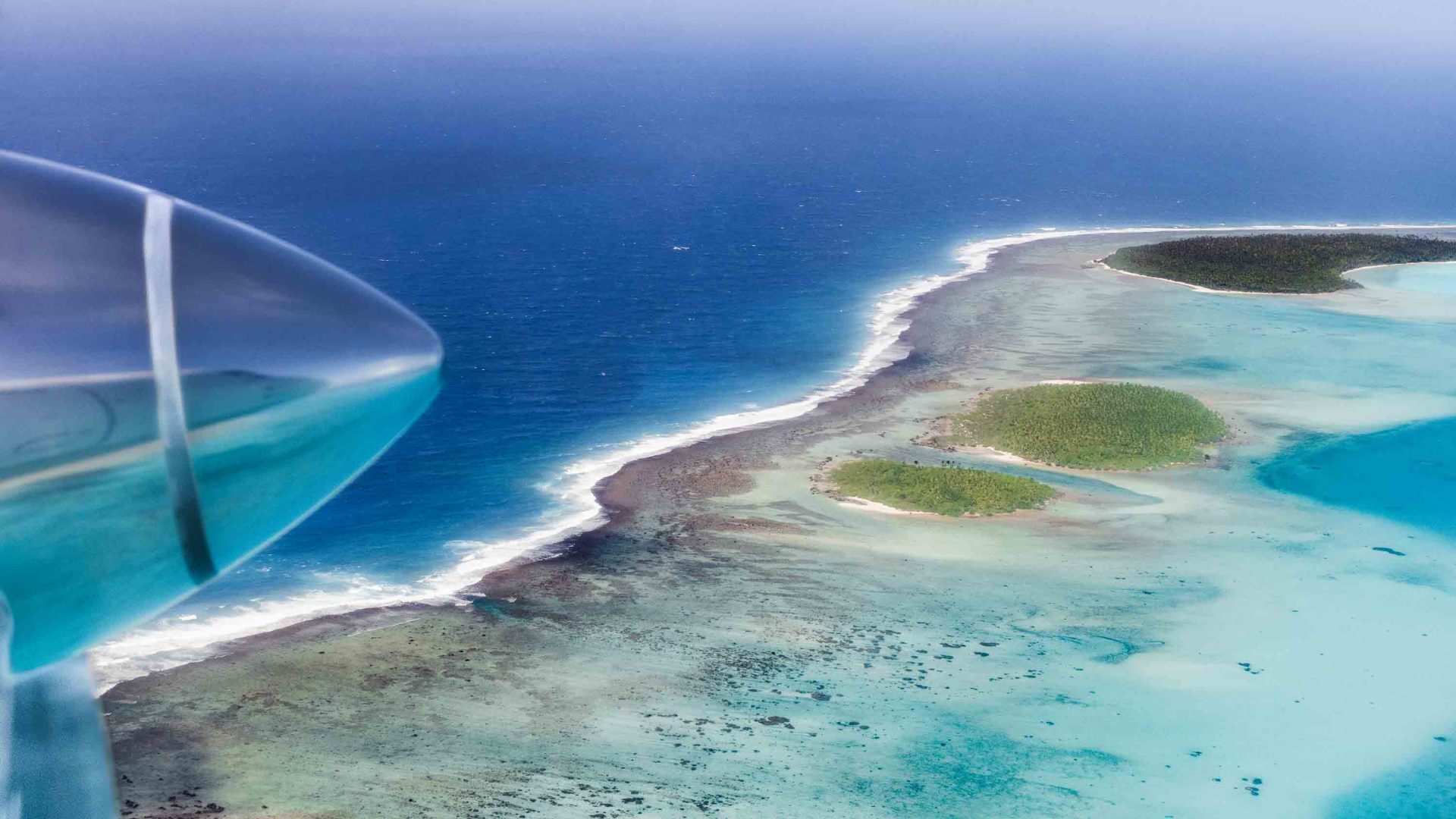
The islands are grouped into low-lying coral atolls in the north and volcanic isles in the south. Roughly 1,864 miles (3,000 kilometers) from Auckland, Aotearoa/New Zealand, ‘Raro’ is just 20 miles (32 kilometers) in circumference, with one ring road circling its agricultural interior.
With no traffic lights, and motorcycles the preferred form of transport, I don’t witness a single blaring horn or impatient tailgater—even when newly arrived tourists drive at a snail’s pace. And public transport is even more genteel—a simple roadside wave will halt one of the two buses that loop the island in opposite directions.
It’s the notion of hereditary bloodlines, written into the 1965 Constitution, that’s the fundamental bedrock of Cook Island society. It’s the reason no foreigner can own anything outright—which has largely kept chains and franchises at bay.
I start to grasp the essence of island life at the Arataki Organic Garden, a short drive from Trader Jacks, where I meet owner Mirella Mairi. It’s rooted in Mana Tiaki. Made up of tiaki (keeper or guardian) and mana (influence or power), this philosophy of sacred guardianship runs through everything, from cultural preservation to taking care of the environment. And that’s exactly what Mirella and her husband Katoa are doing.
During the pandemic, the islands were largely cut off, with no tourism and widespread disruption of freight delivery. Islanders leant on their age-old practice of Tapora Kai Enua—sharing produce within the community. “It was then we thought we should make our own food cupboard,” Mirella tells me. From cuttings and planting free seedlings provided by the government, they’ve since created something extraordinary—a garden of Polynesian staples, including taro (root vegetable), ginger and coconut, where visitors can book a botanical walk to learn about biodiversity and regenerative farming.
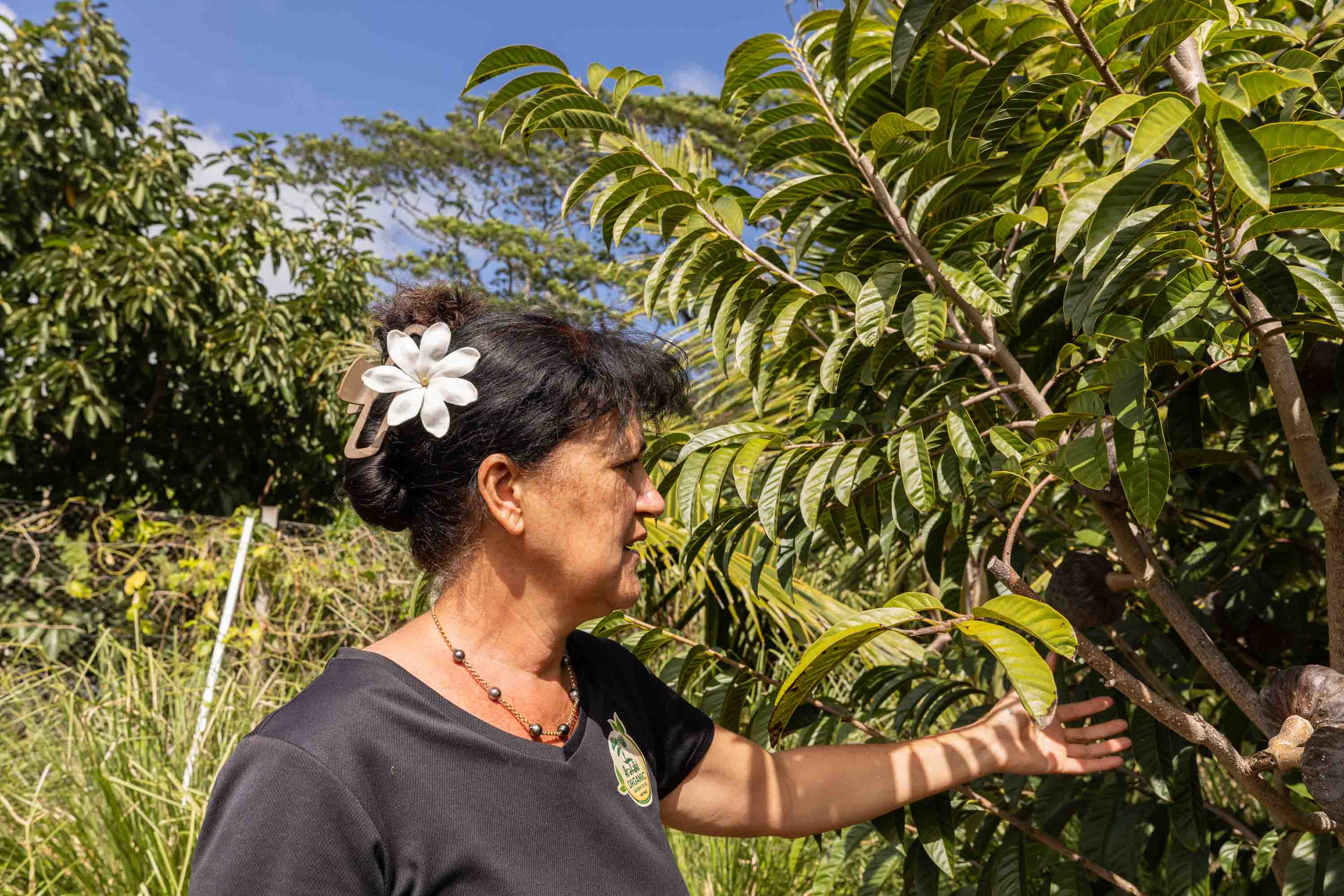
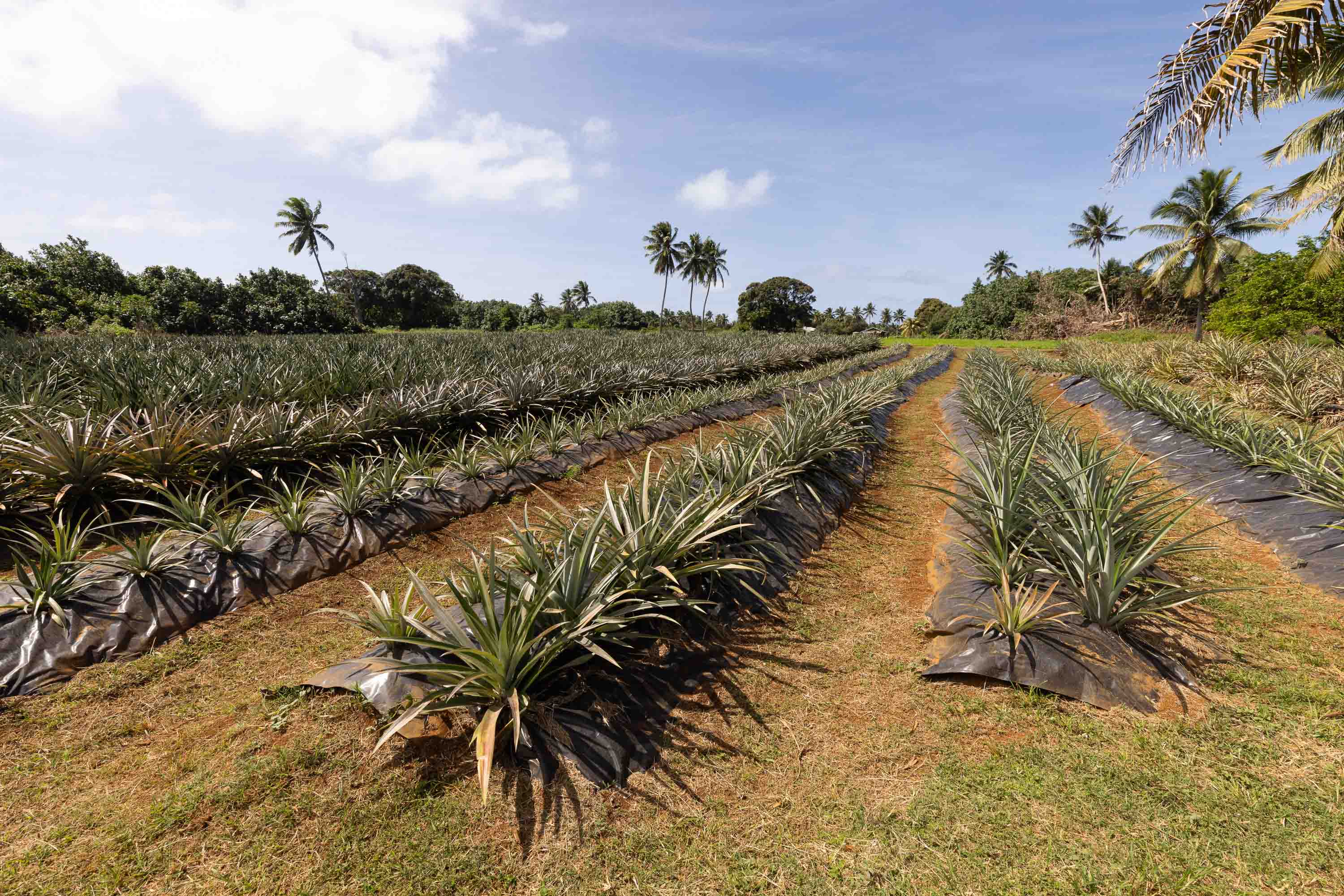
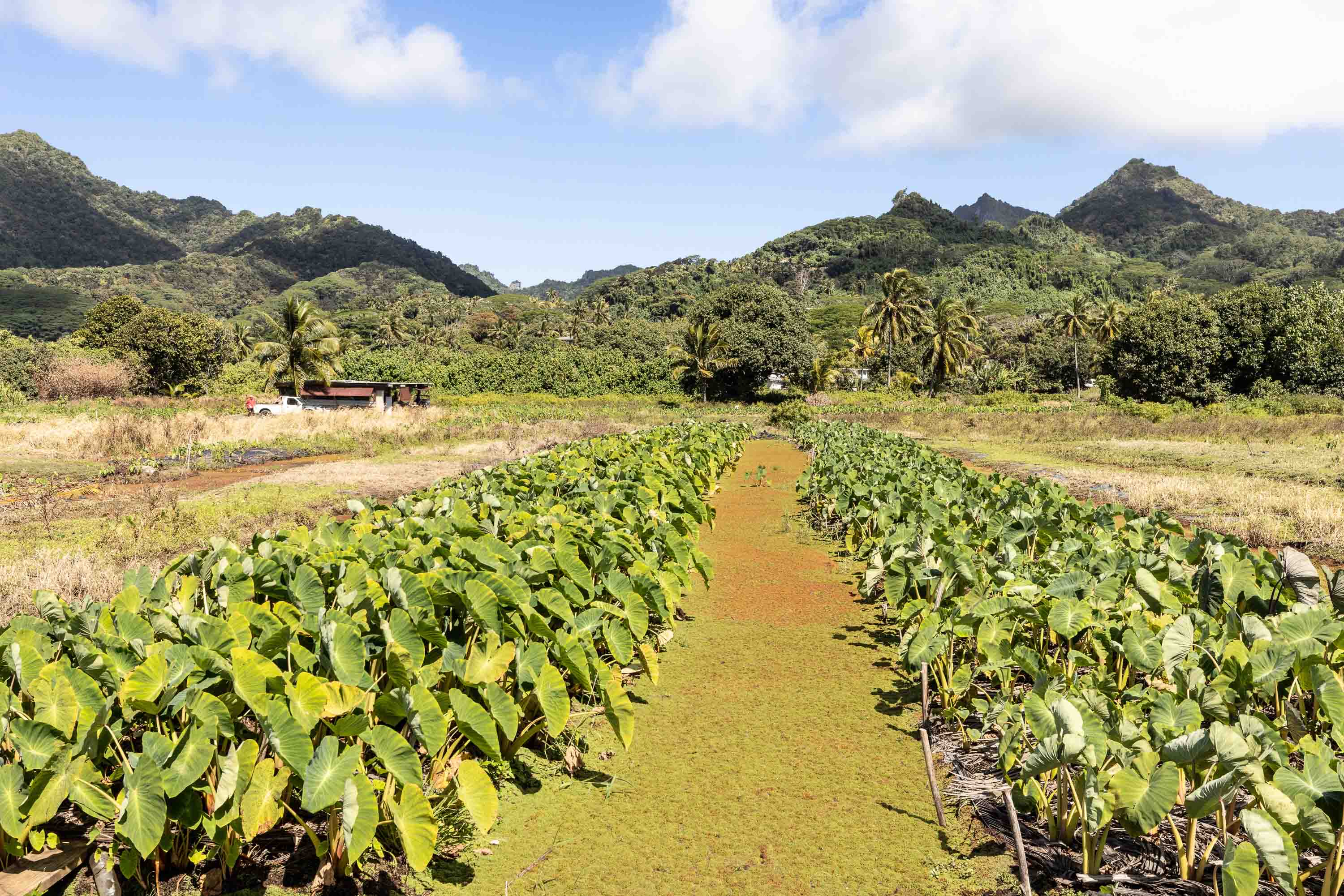
Tours start at the compost section. By breaking down specially grown nutrient-rich plants, Mirella and Katoa have no need for chemical fertilizers. “What’s important is feeding the soil, not the plant,” says Katoa. Bugs are sprayed with chili, fermented overnight in dishwashing liquid, as a homemade natural pesticide. Even mosquitoes aren’t blitzed by DEET. “In the past, we used to light small fires under trees to keep mosquitoes away,” recalls Mirella.
I’m reminded of an earlier conversation with a young, island-born woman returning for the first time, whose most vivid childhood memory is the odor of burning leaves: “I knew I was home!” she’d said. It had struck me as strange to think fondly of smoke, but Mairi enlightens me. Burning fires is a wider part of maintaining the land that’s at the beating heart of Mana Tiaki— that you leave a place better than you found it.
The Cook Islands have, like many Pacific islands, a complex history. Settled by Polynesians who navigated by sea and stars in vaka, (double-hulled canoes) around 800-1000 AD, the islands became a British protectorate about a century after Captain James Cook’s initial colonialist explorations in 1773. It wasn’t until 1965 that they became a self-governing island nation in free association with New Zealand—meaning islanders have New Zealand citizenship and assistance with education, health and finance. But the House of Ariki, a parliamentary council of hereditary Indigenous High Chiefs, continues to advise on matters surrounding customs, culture and land ownership.
And it’s the notion of hereditary bloodlines, written into the 1965 Constitution, that’s the fundamental bedrock of Cook Island society. It’s the reason no foreigner can own anything outright—which has largely kept chains and franchises at bay. Elders insisted that generational succession be written into law—land is inherited by direct descendants—while non-islanders can only buy property on a 60-year lease.
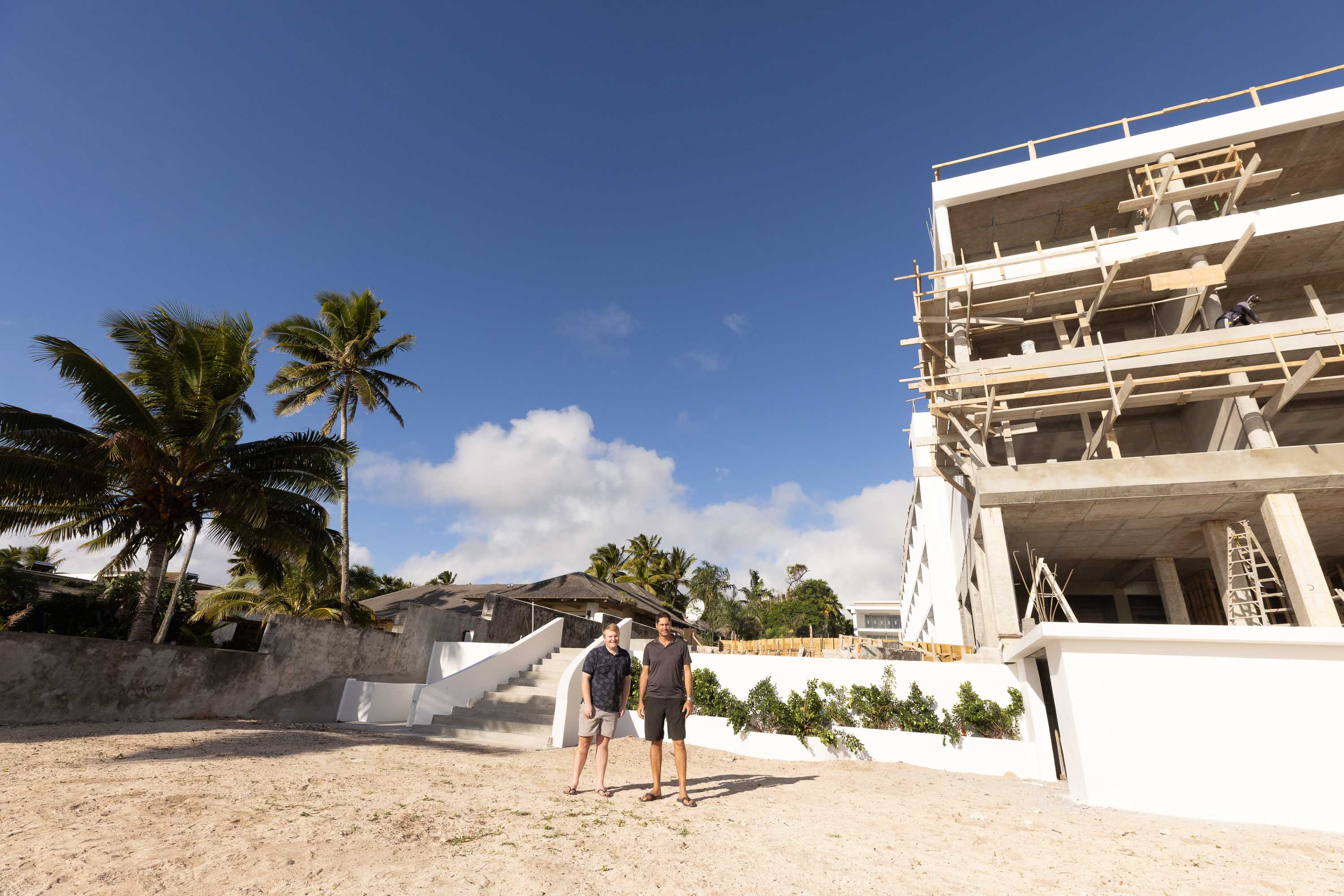
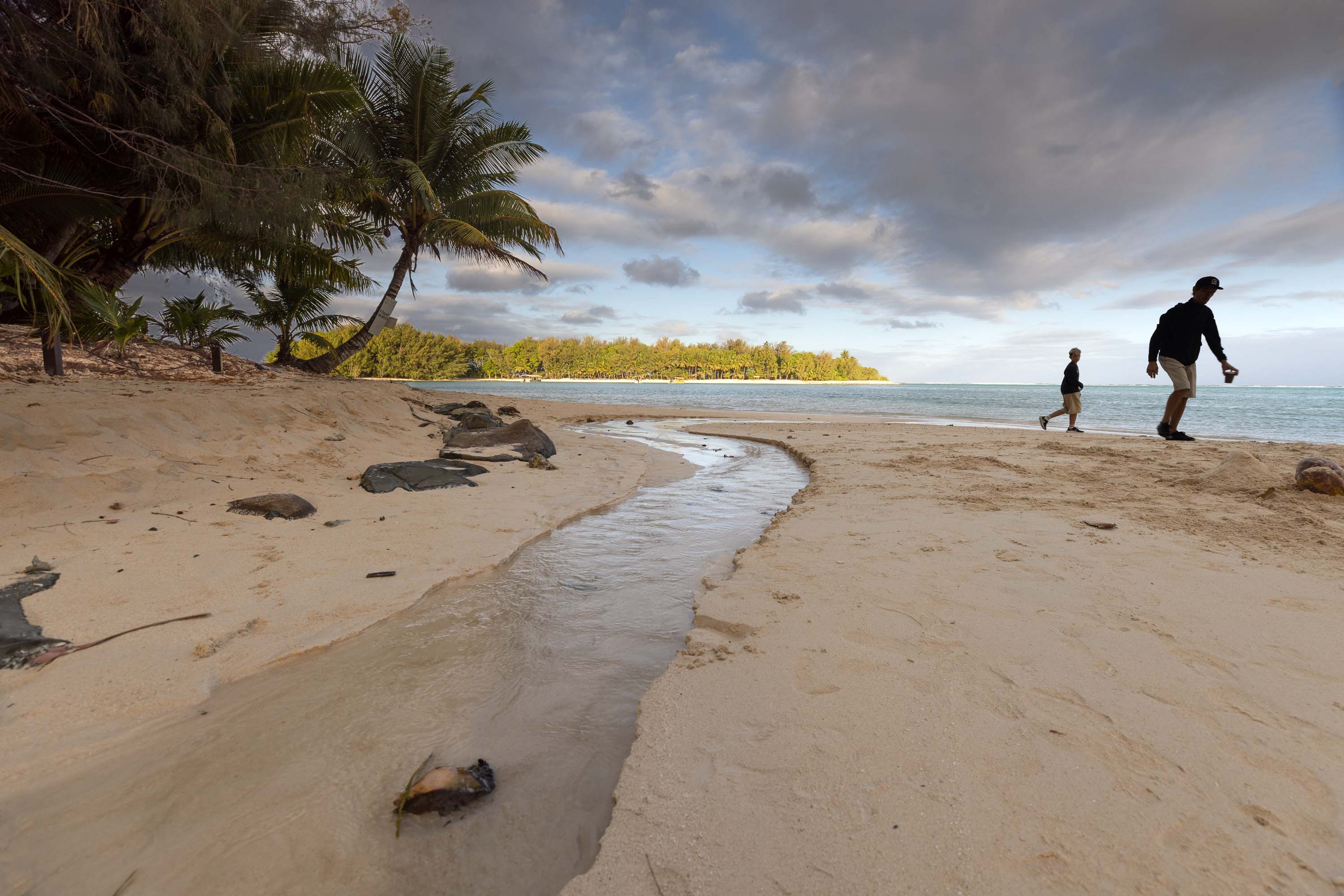
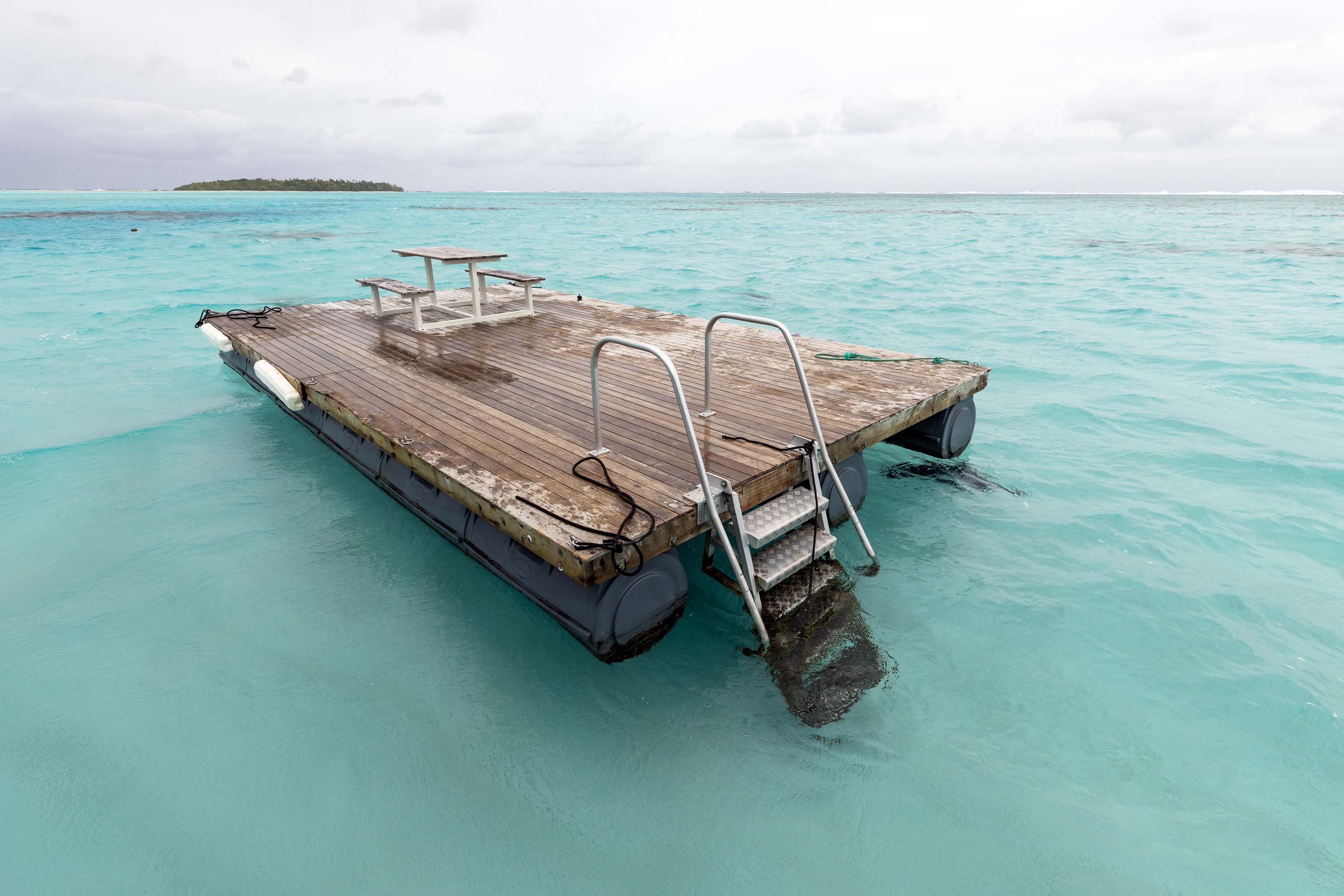
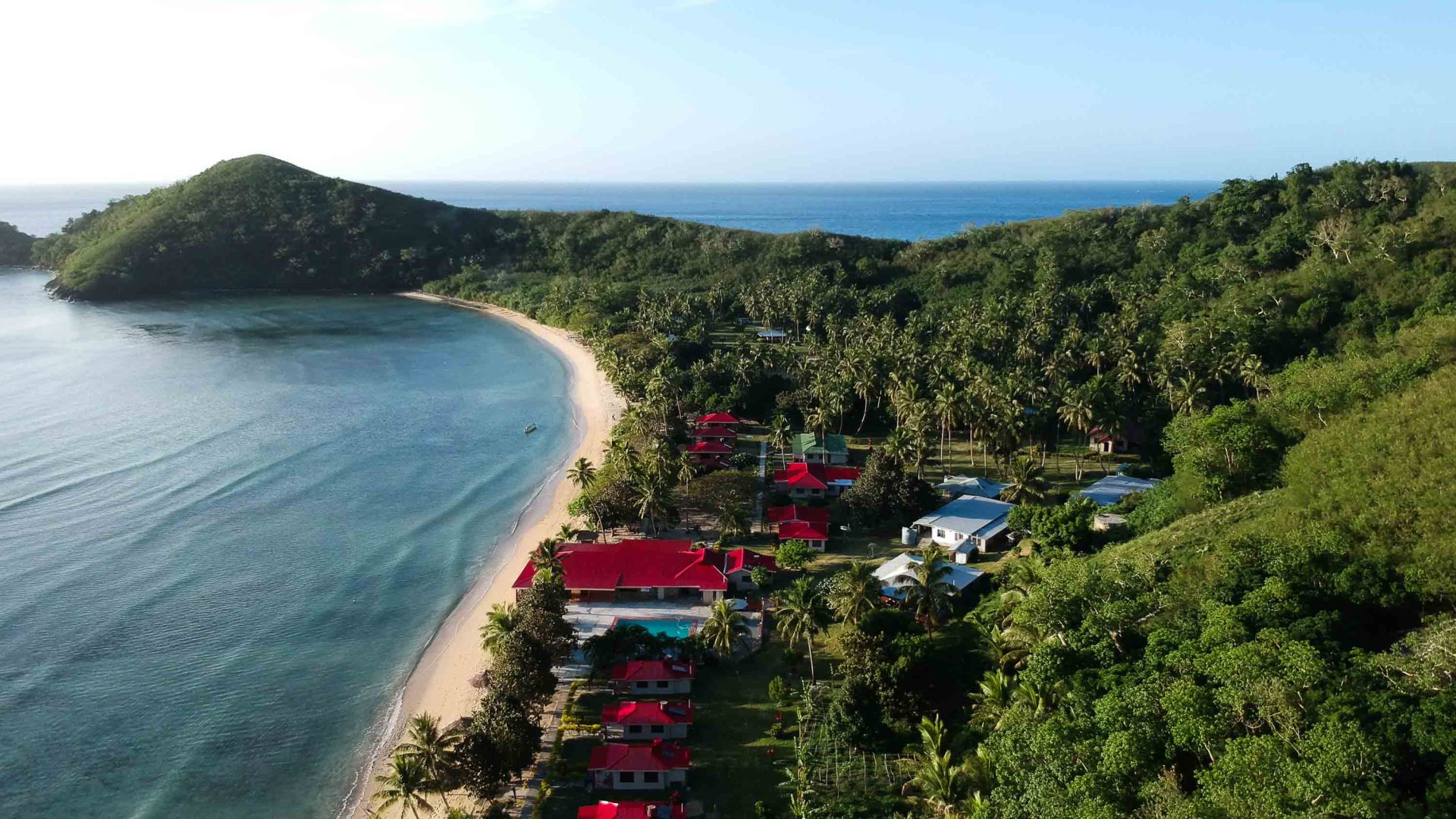
By popular demand, Airbnb is one global platform that has broken through. A lucrative way to rent out properties, many say it’s worth the small amount of profit leaked overseas, especially given all accommodation is islander-owned. Even the new five-star Grand Resort Rarotonga, on Arorangi Sunset Coast Beach on the westerly sunset coast, is a local business.
I meet its CEO Brett Baudinet at the building site as they prepare to open in March 2027—Baudinet is a Davis Cup tennis player and a doubles record-holder, but that’s another story. Currently a hive of activity, we carefully make our way up the unfinished stairwell to see some of the show suites. There’s little doubt this is going to be the archipelago’s most luxurious offering. On my site tour though, it’s hard not to be skeptical about the ‘no building higher than a coconut tree’ assertion. “Well, let’s have a look, shall we?” says a smiling Baudinet. “You can see for yourself.”
We head up to the fifth-floor rooftop. He’s right. Even here, we’re surrounded by taller palms, with the tree-clad hillside behind us and ‘Golden Mile beach’ out front. It’s impressive. Back down on the sand, looking up at the new structure, it strangely seems to fit into the environment.
The government acknowledges that this includes balancing “economic growth interests, such as tourism, fishing and deep-sea mining, with conserving core biodiversity and natural assets.” And there are tensions.
Baudinet explains that there are building height restrictions, but the tree measurement, for him, is more of a guiding philosophy “than a hard and fast rule”. Measuring trees is never going to be an exact science, of course. Similarly, the ‘no chain’ maxim isn’t strictly true either—luxury hotel brands have been wooing him with partnership and investment offers, but he made the decision to decline them and retain control.
I also hear later of an infamous 1980s derelict government-sanctioned Sheraton resort in Vaimaanga, that despite being almost complete, never managed to open. Beset by political and financial obstacles, people whisper of mafia involvement and the archipelago’s near bankruptcy over the debt.
Island Elder and knowledge holder, the renowned artist and master carver Mike Tavioni, adds to what I’ve heard elsewhere, with talk of “the curse”. Dating back to last century, it’s said that a long-held dispute over land rights had culminated in the murder of an islander by a European settler in 1911. A powerful hex, or makutu, was put on the land by the dead man’s daughter—and reignited by her descendant on the day the Sheraton developers broke ground.
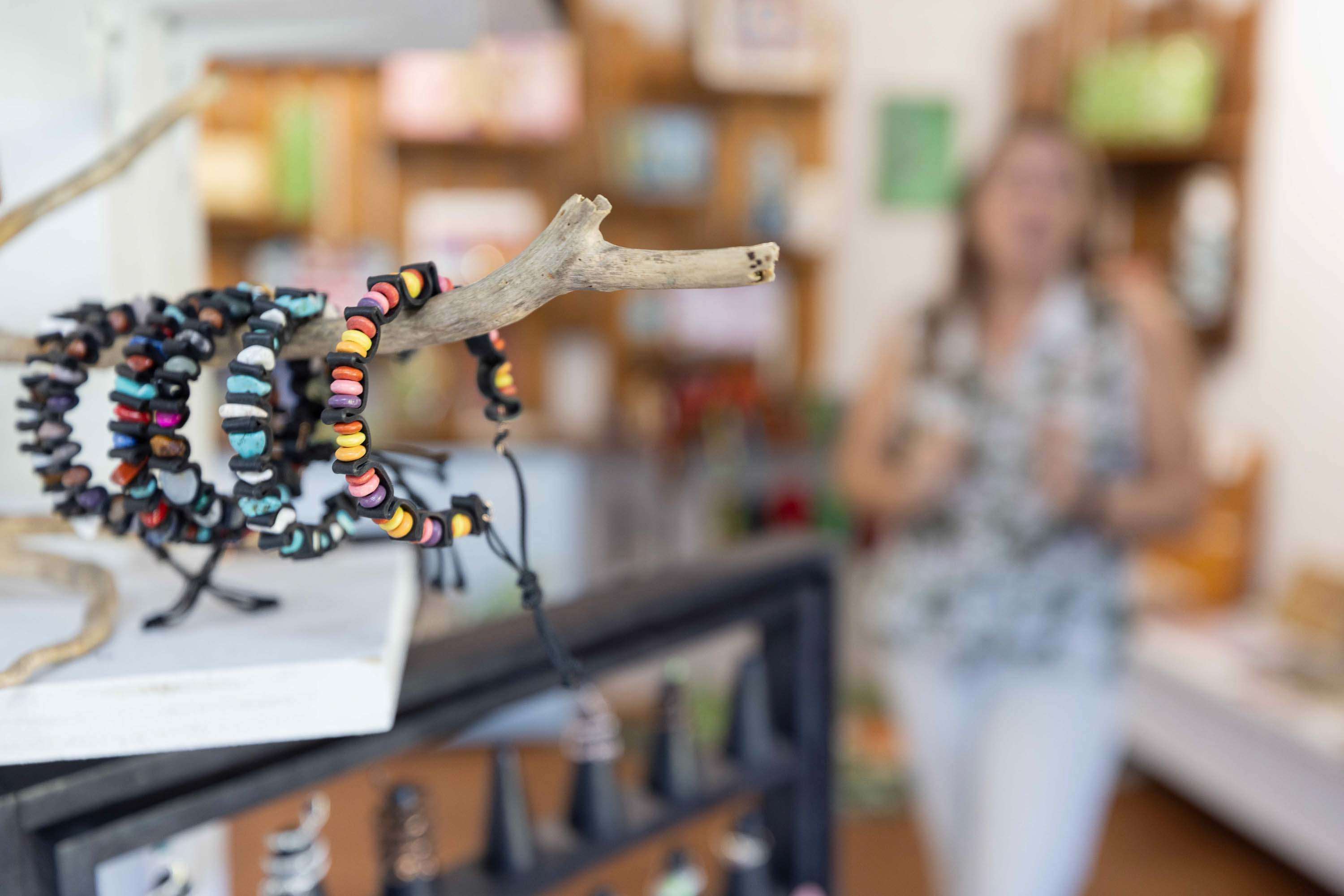
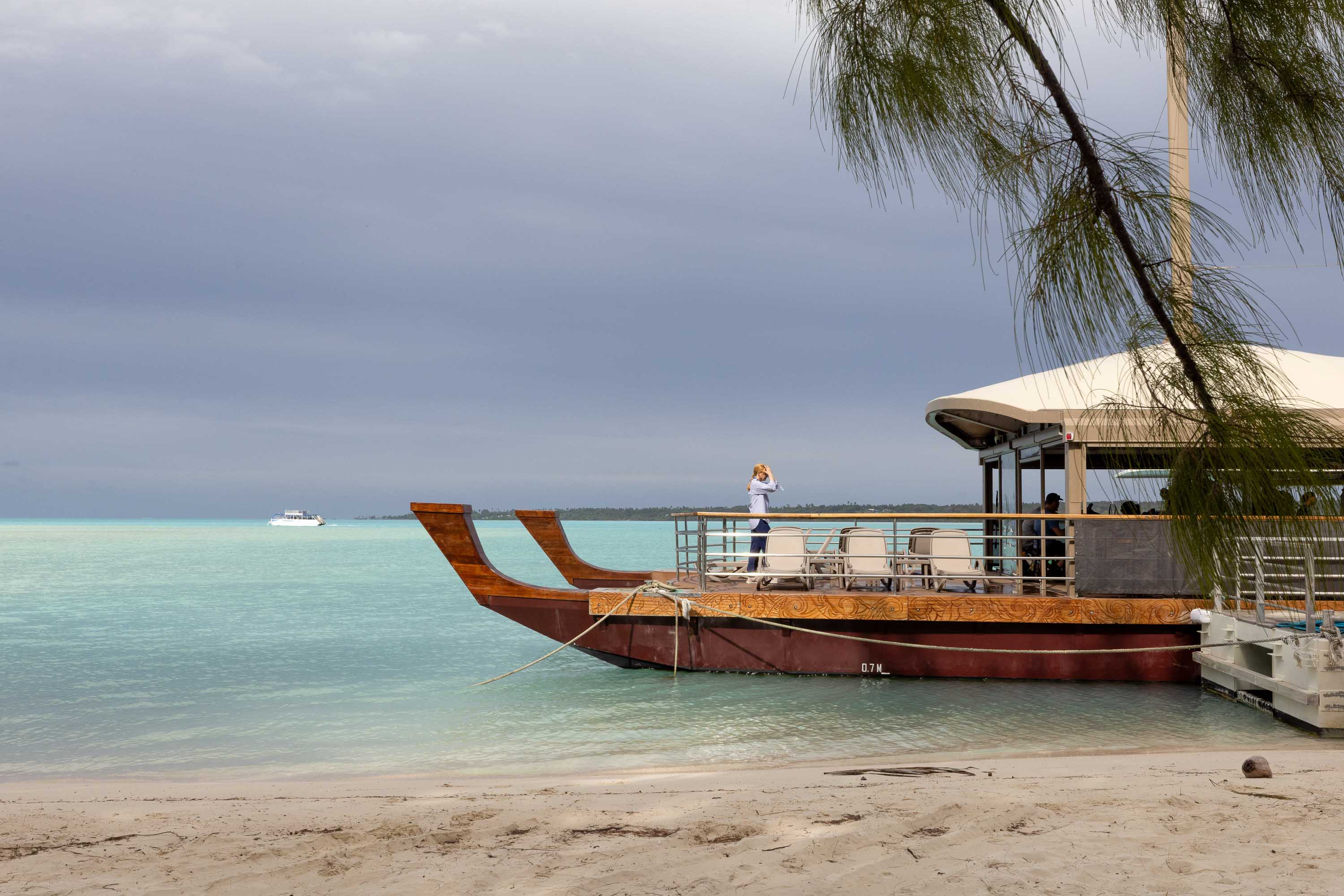
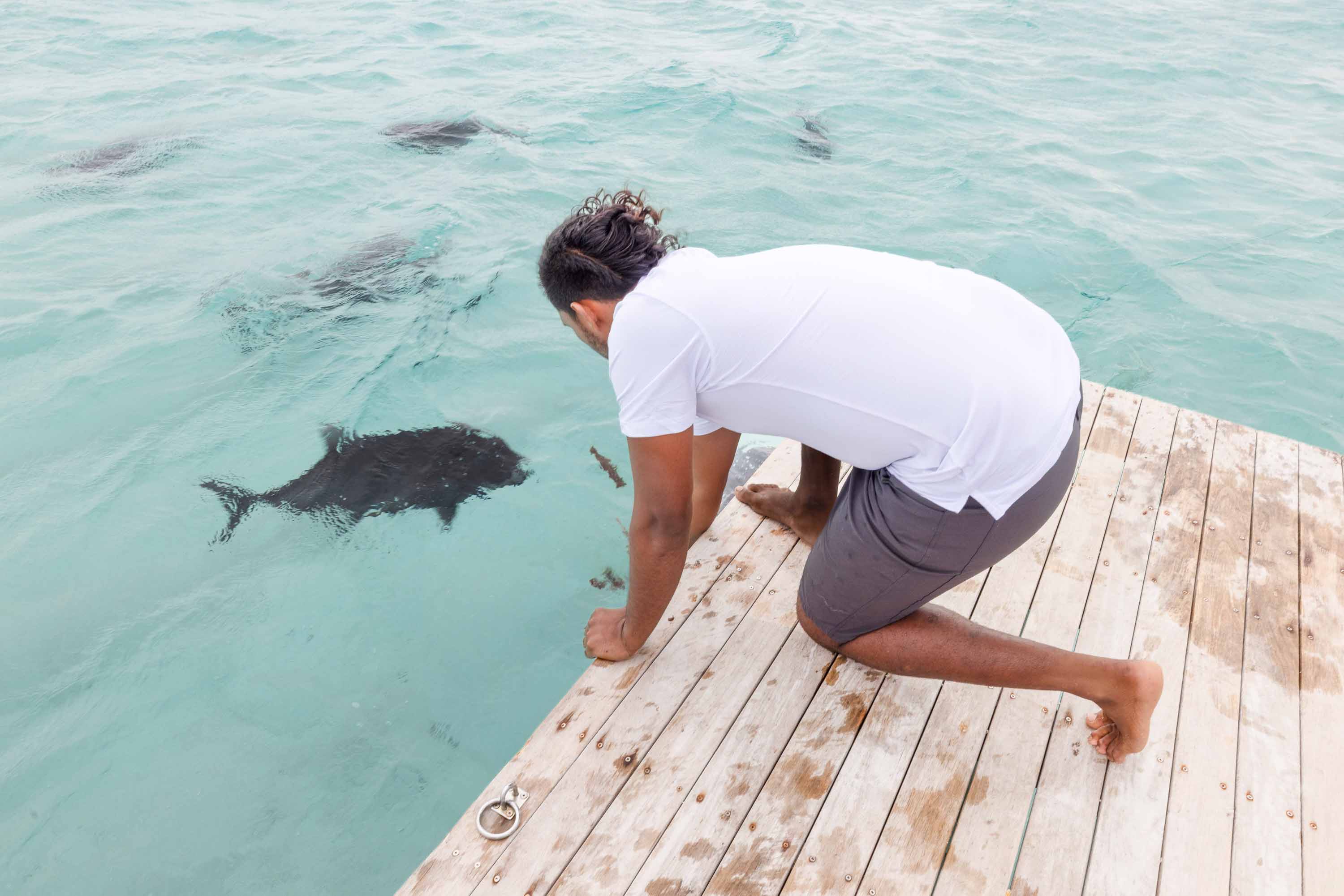
With 70 percent of the islands’ GDP tied up in tourism, it’s clear there’s a fine line to tread between the economy and conservation. In 2017, the Cook Islands announced the world’s largest marine park—Marae Moana—spread over 734,000 square miles (1.9 million square kilometers) and designed to protect and conserve biodiversity and the ocean environment.
But the government acknowledges that this includes balancing “economic growth interests, such as tourism, fishing and deep-sea mining, with conserving core biodiversity and natural assets.” And there are tensions. Like elsewhere in the the world, deals with US corporations to begin explorations into deep-sea-mining for fossil fuels and rare earth minerals have been met with local condemnation.
Environmentalist and upcycle artist Sabine Janneck is one of those voices. Originally from Germany, she moved to the Cook Islands with her tourism dive business, but it was concerns about ethical practices on the reef that drew her into conservation. Now making items from plastic waste (think burst inflatables and car tyres), her CIRCLE Cook Islands luxury handbags are highly prized, with prices to match.
As the Vice President of the Te Ipukarea Society, which translates as ‘our heritage’ and is the only non-government environmental group on the archipelago, she’s the very embodiment of Mana Tiaki, upholding island values as a papa’a, or foreigner.
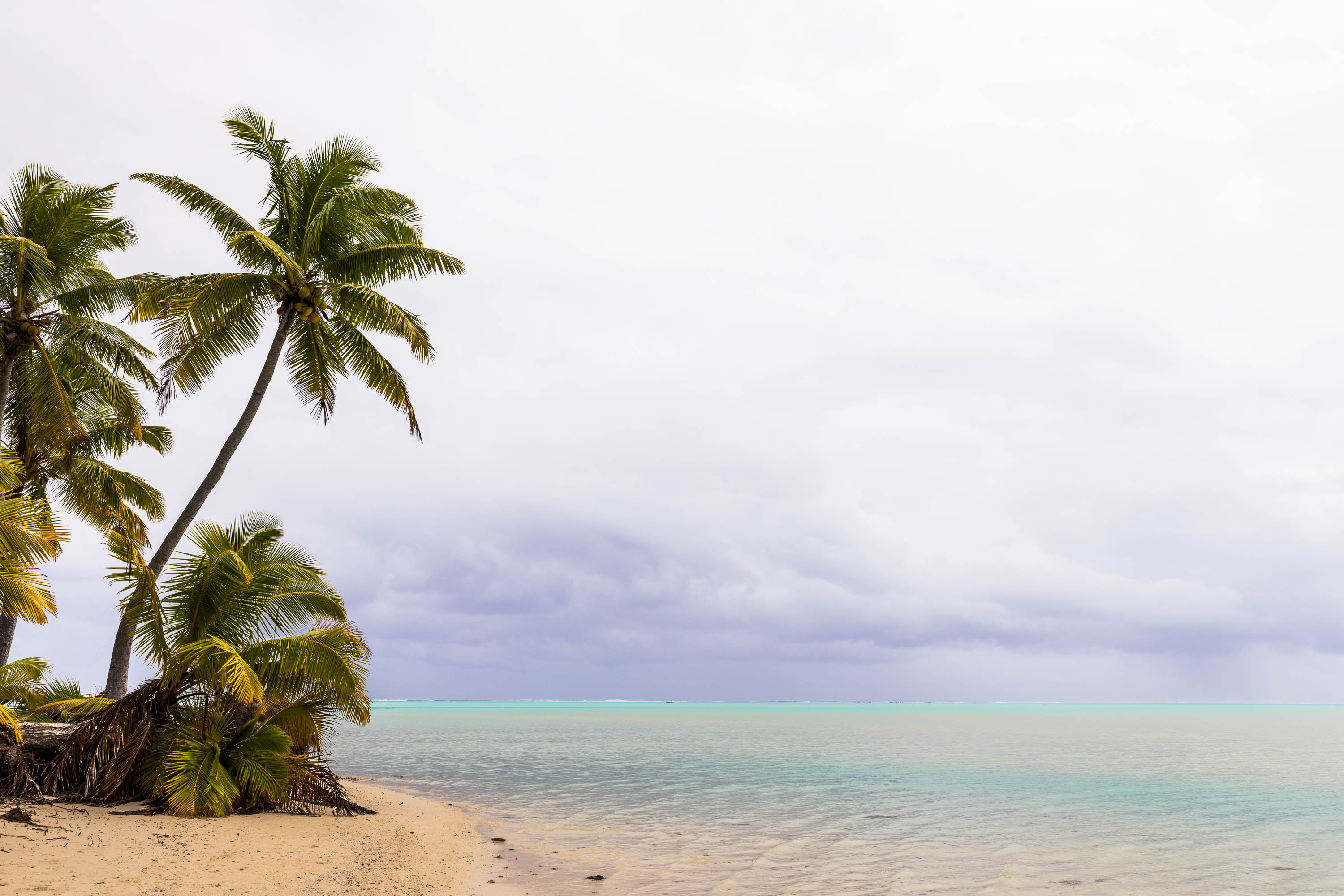
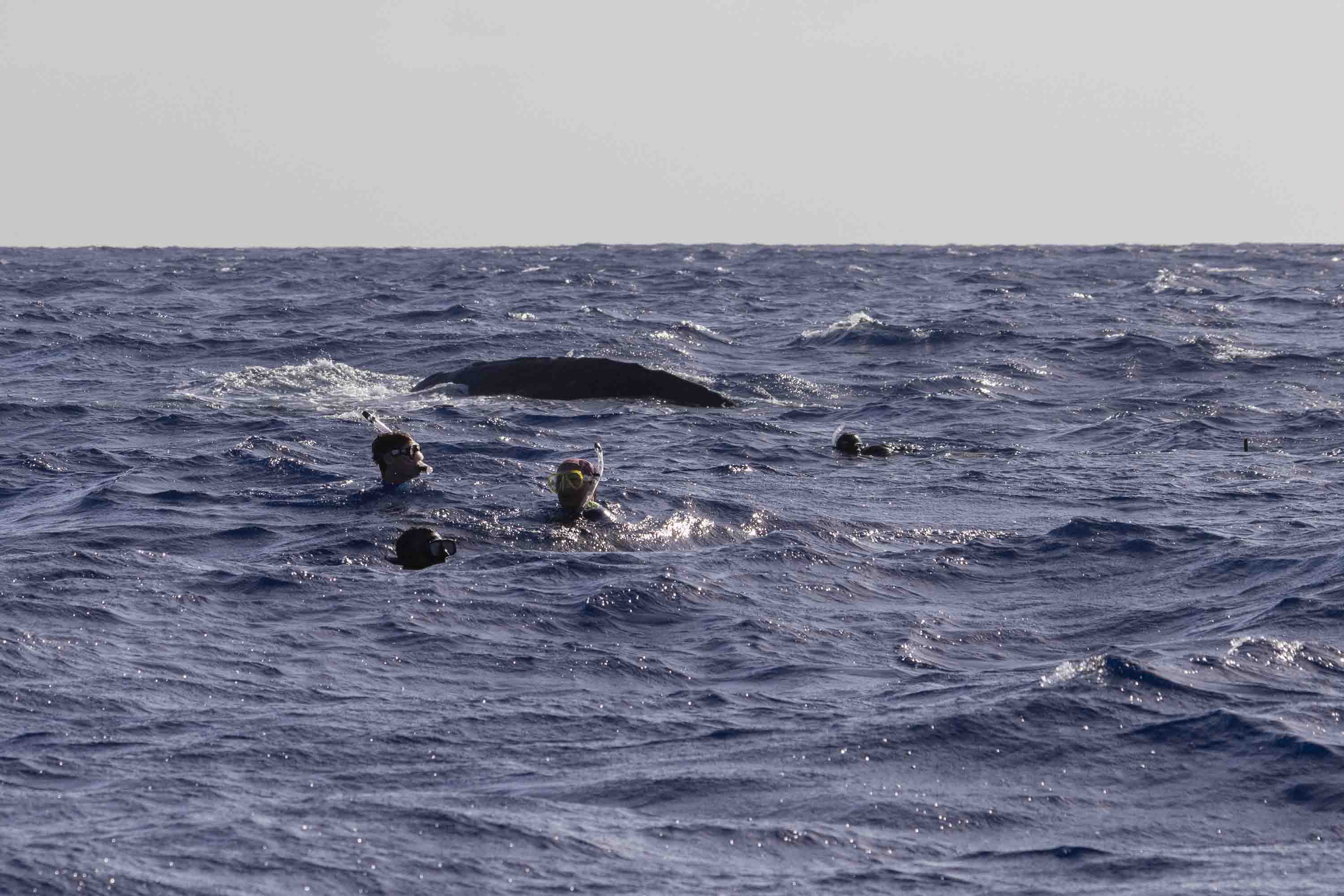
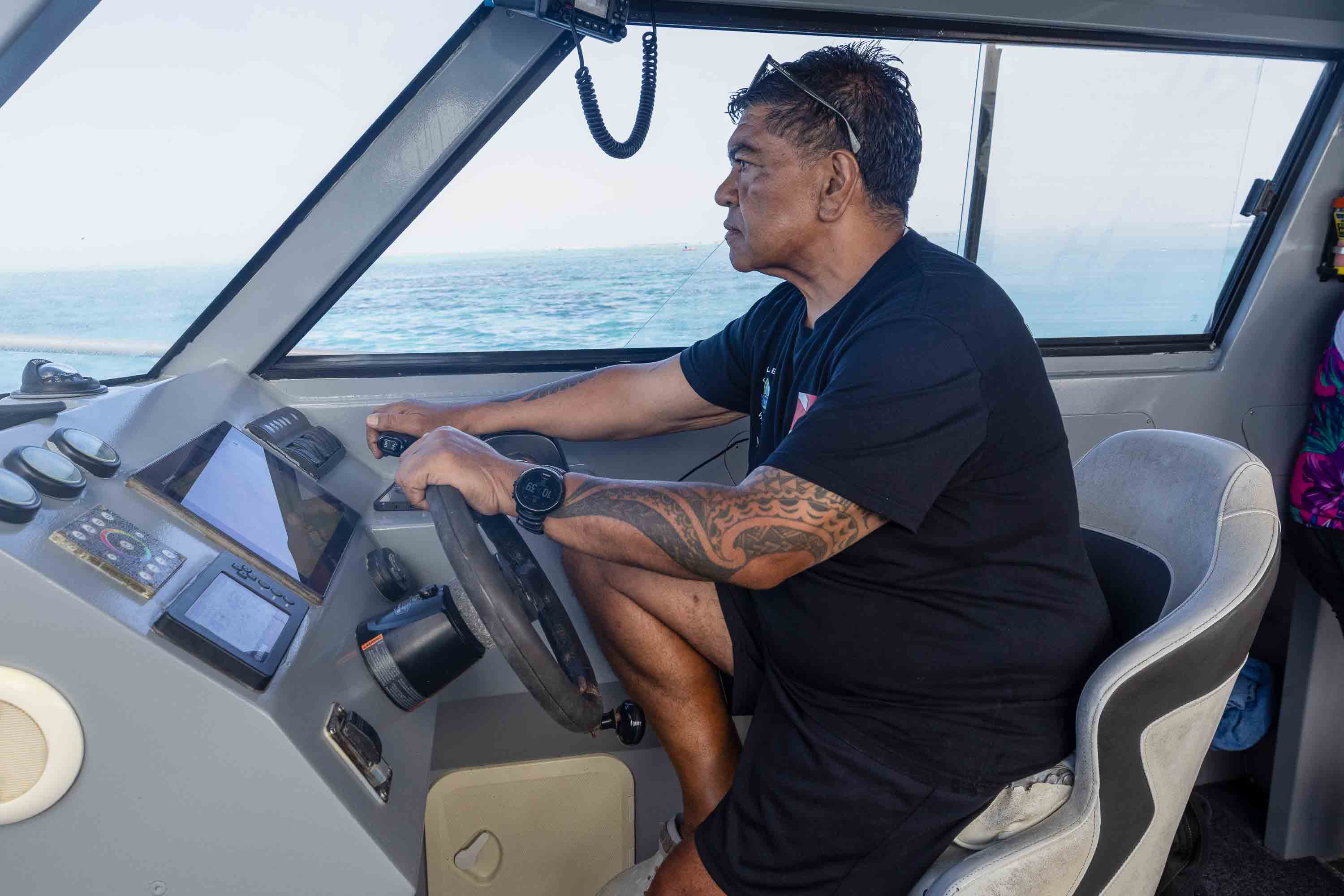
It’s clear that marine conservation is key to this South Pacific island nation—marae moana means sacred ocean, and it’s a fundamental principle of life on the archipelago. During the trip, I’d flown to the nearby island of Aitutaki to observe and swim with humpback whales where ‘Bubbles Below’ dive company owner and skipper Onu Hewett unpicks the dichotomy around the pressure to increase visitor numbers.
“We have to be careful what we wish for.” As he watches his clients following whale-swim guide Chanaya Aukaha-Larsen in her Olympic-level pursuit of another humpback, he says he’d prefer year-round tourism, rather than even bigger numbers during the Australasian winter, from June to August.
Back at the Grand Resort site, I ask Baudinet one last question before leaving. “Do you think there’ll ever be a McDonalds here?” He hesitates before replying.
“Probably.”
It’s not the answer I was expecting, especially when the thick-cut, purple taro and cassava ‘island fries’ here are the best chips I’ve ever eaten. Maybe he’s just being pragmatic—it’s a worldwide battle to hold back the tide of capitalism, after all. But this is one Eden nobody’s going to give up without a fight.
**
The writer’s travels were supported by The Cook Islands Tourism Corporation—Te Mato Manava Turoto (CIT)
****
Adventure.com strives to be a low-emissions travel publication. We are powered by, but editorially independent of, Intrepid Travel, the world’s largest travel B Corp, who help ensure Adventure.com maintains high standards of sustainability in our work and activities. You can visit our sustainability page or read our Contributor Impact Guidelines for more information.
Award-winning photographer and travel writer Nori Jemil lives between London and Perth, Australia. She writes for numerous publications including Rough Guides and National Geographic Traveller UK, teaches travel photography courses, and is the author of 'The Travel Photographer's Way', published by Bradt in 2021.