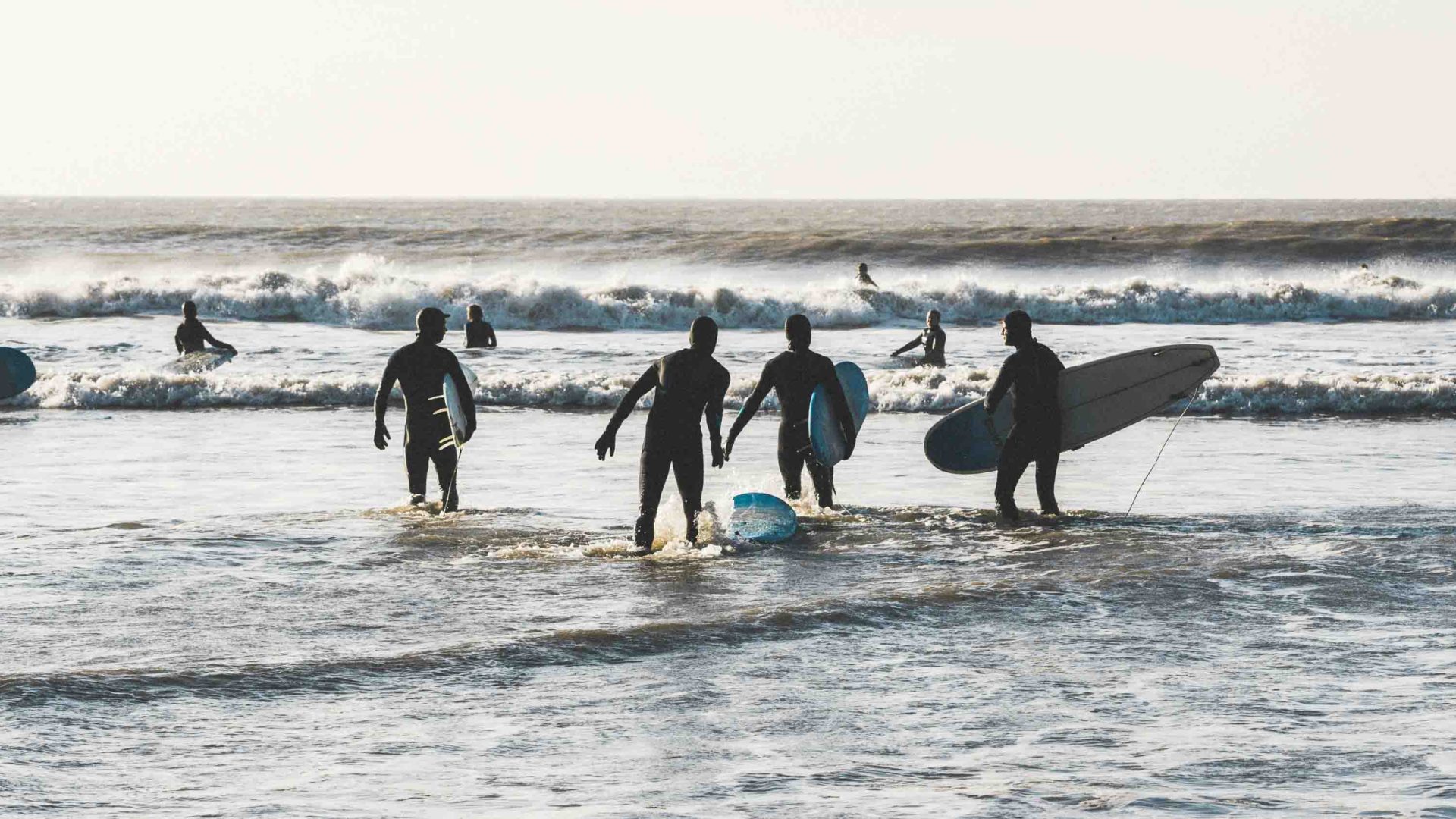
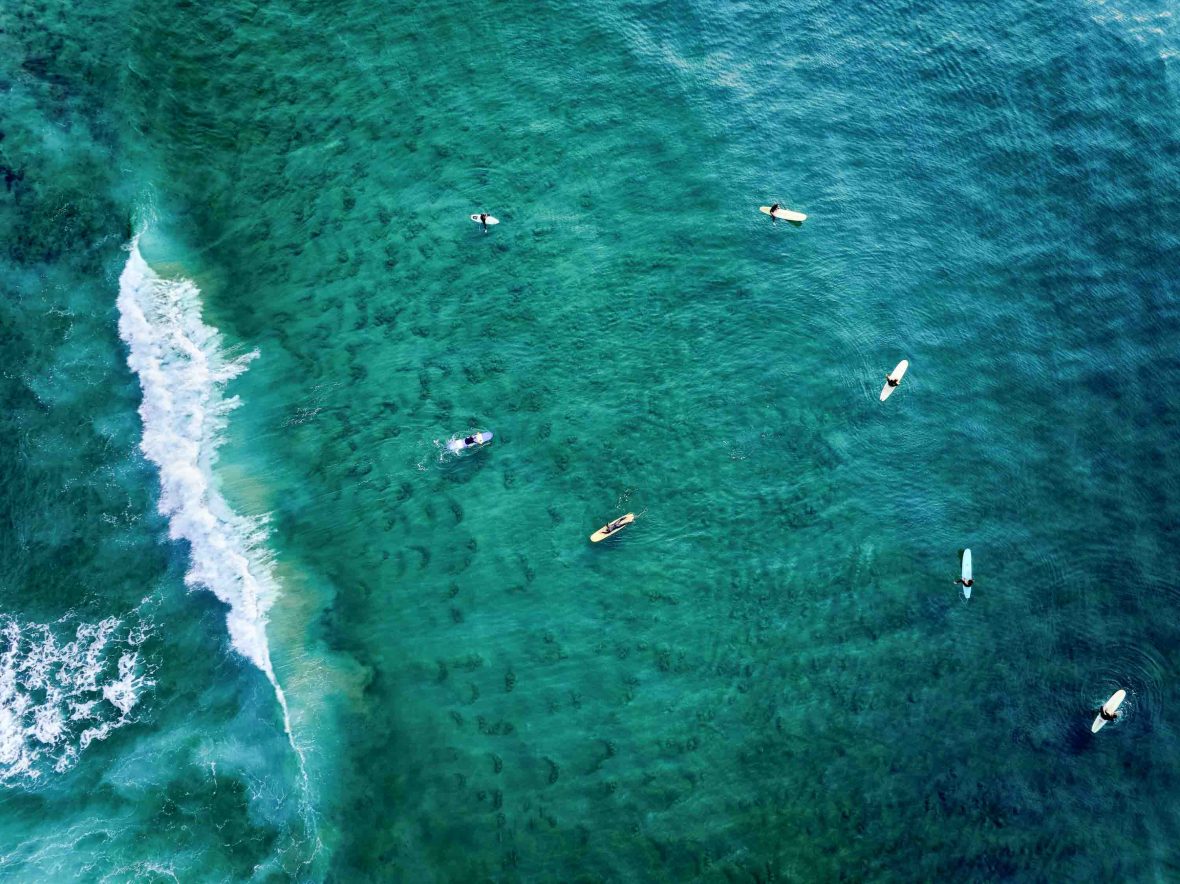
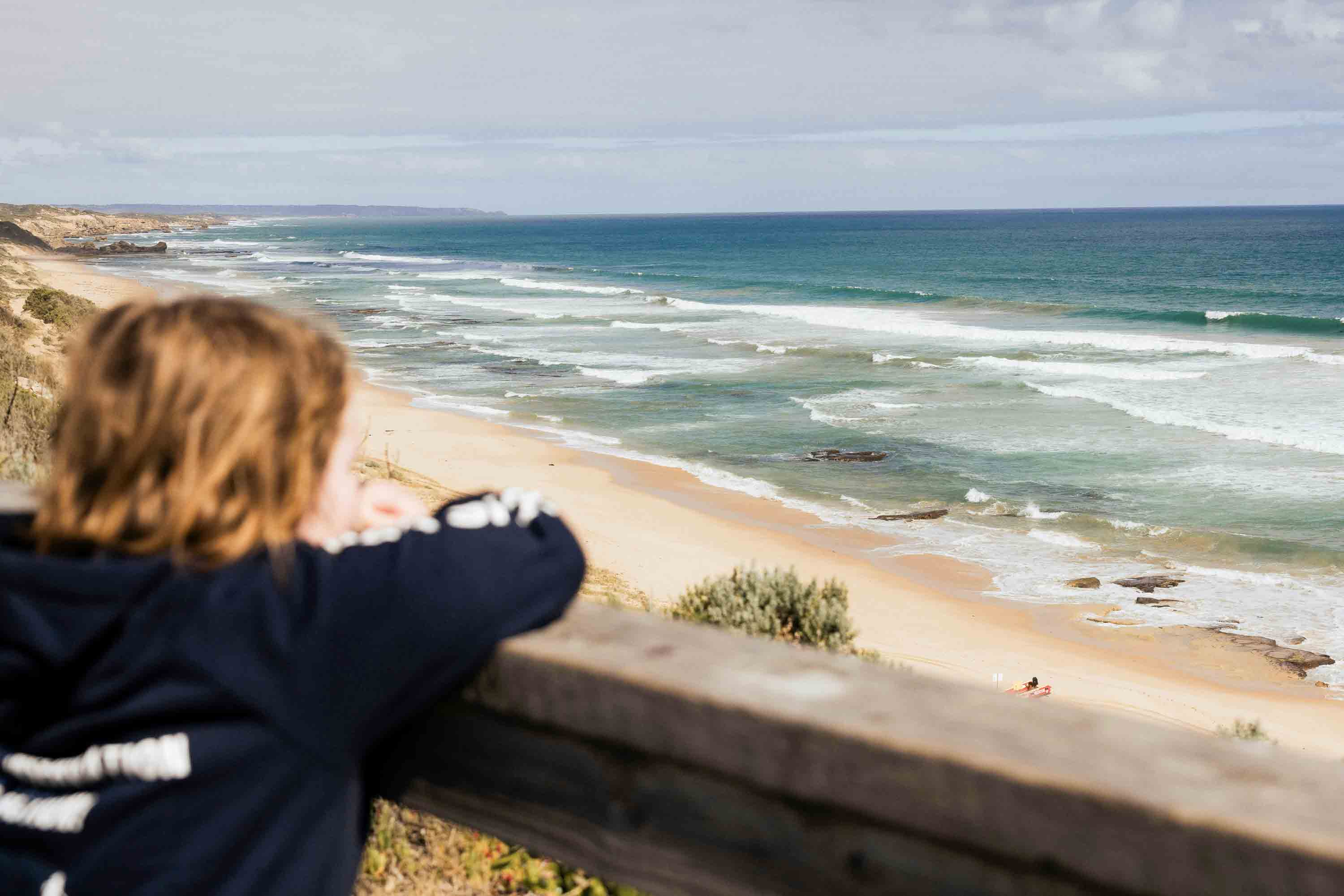
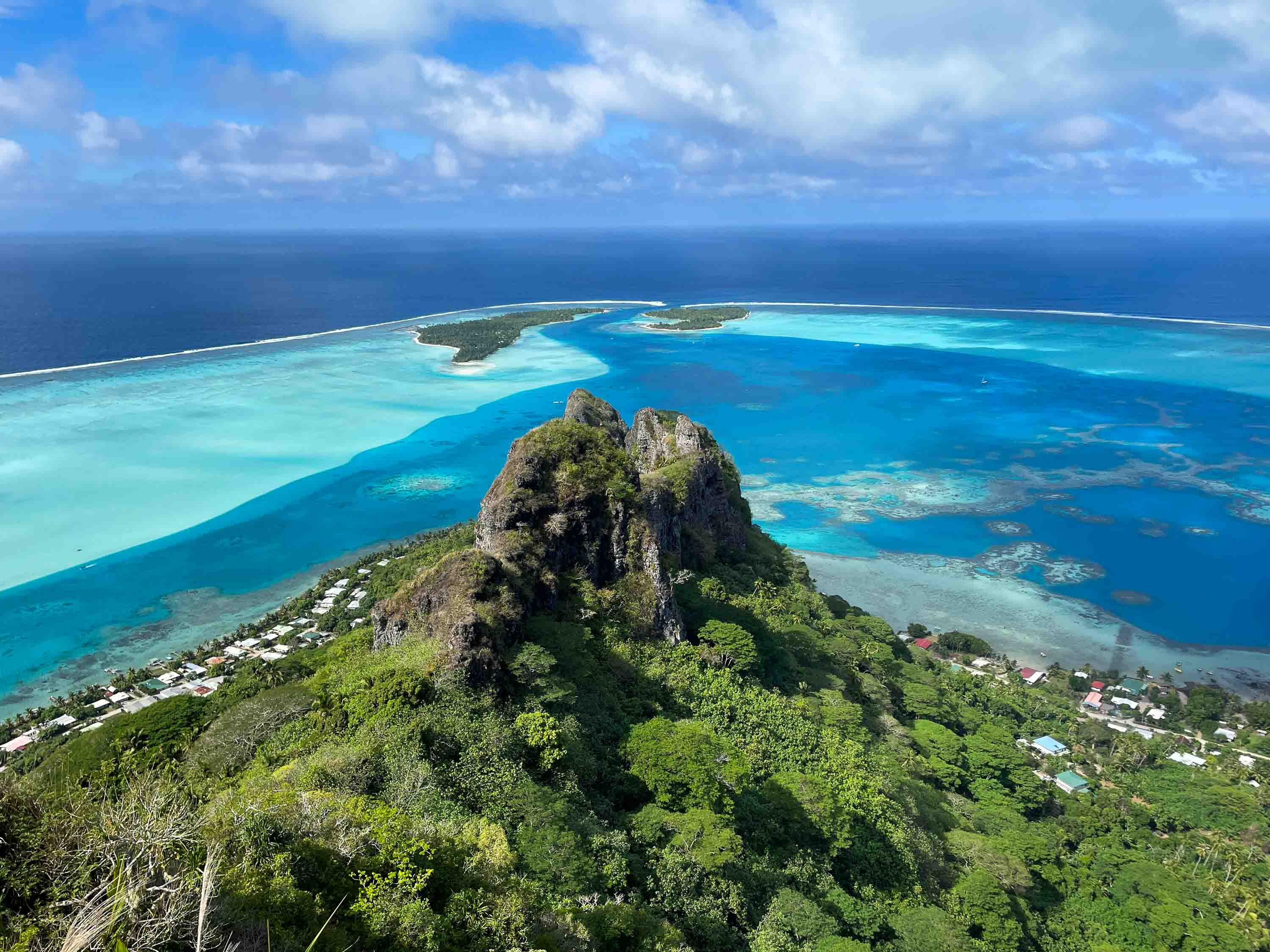
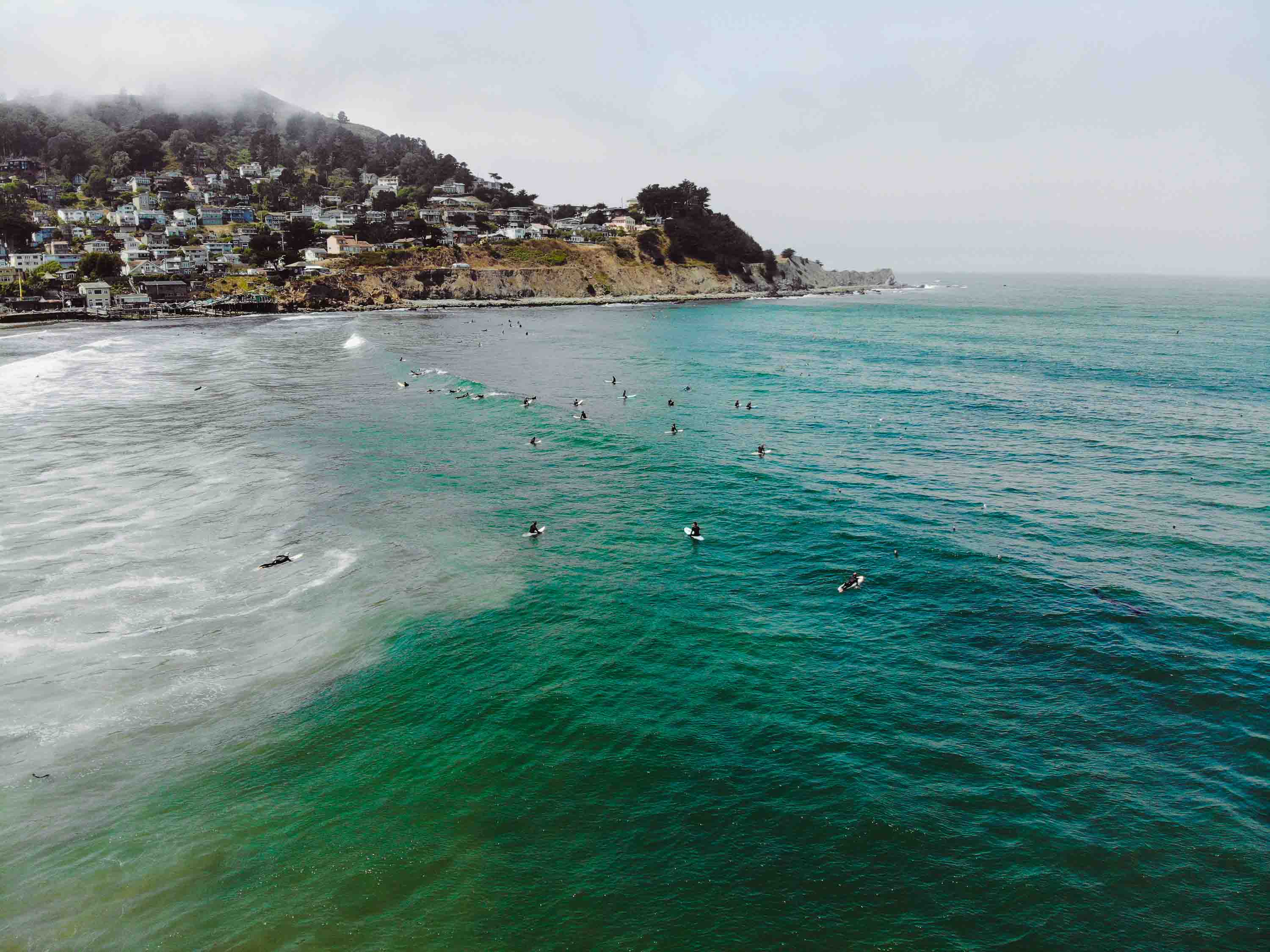
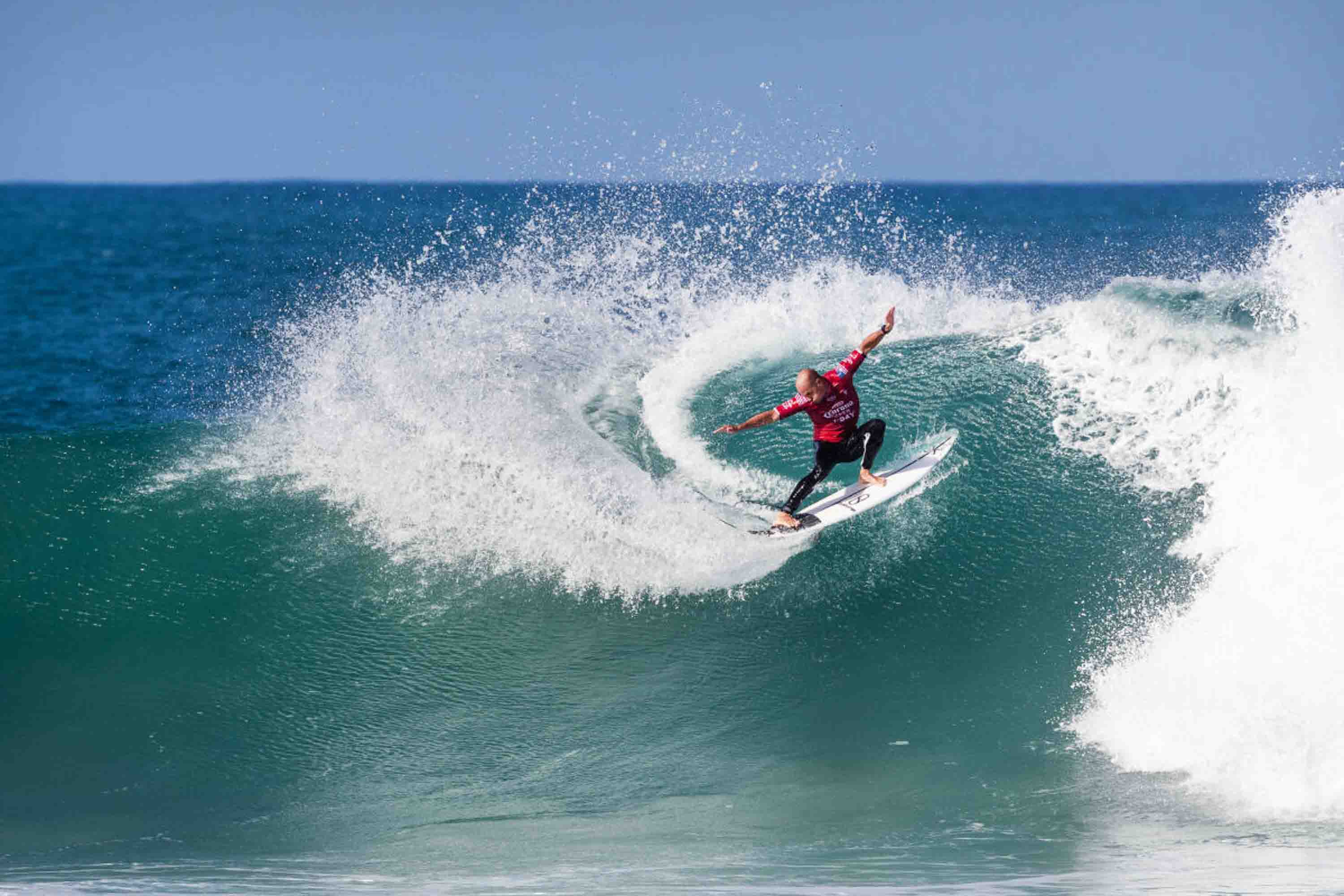
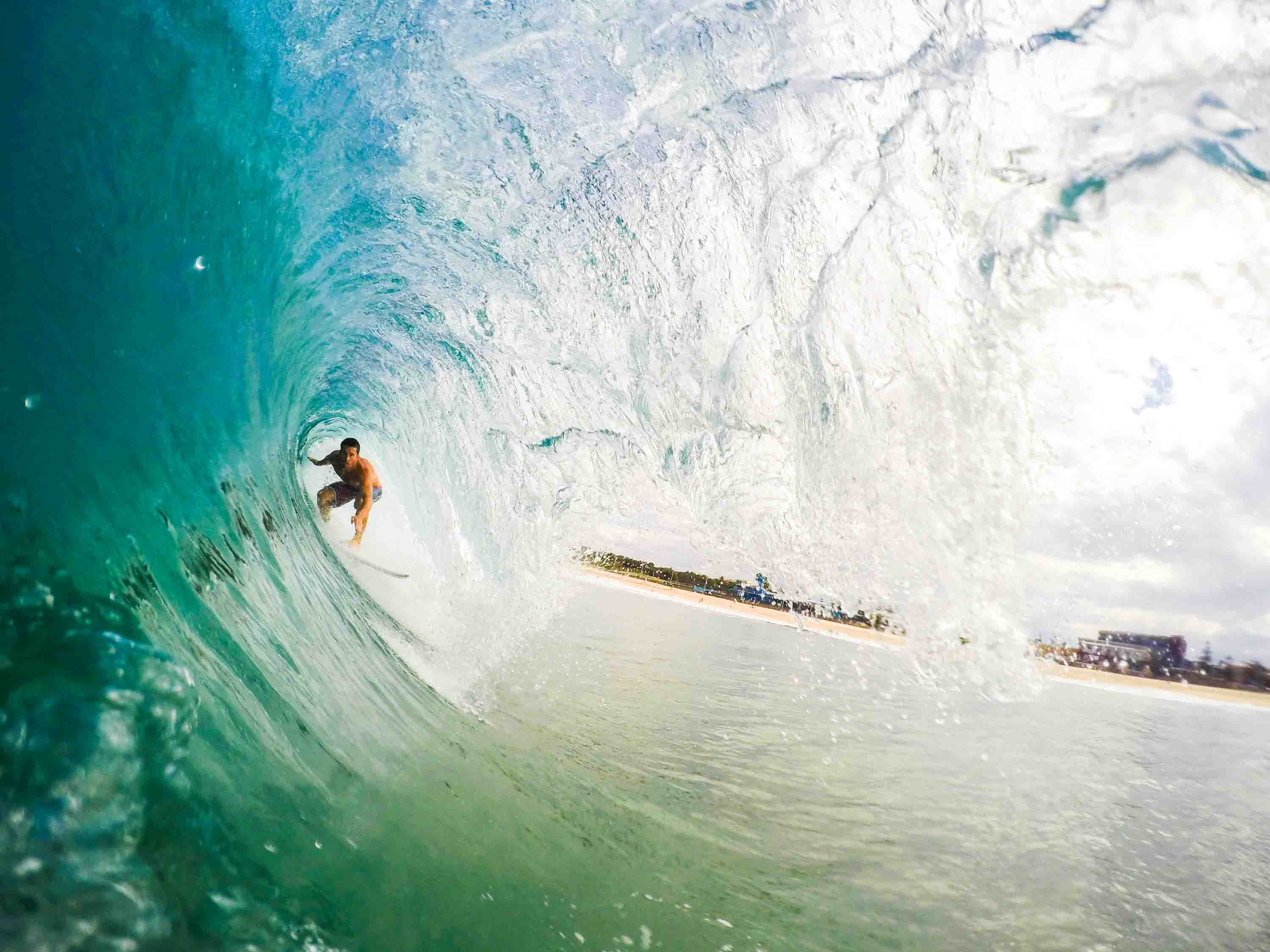
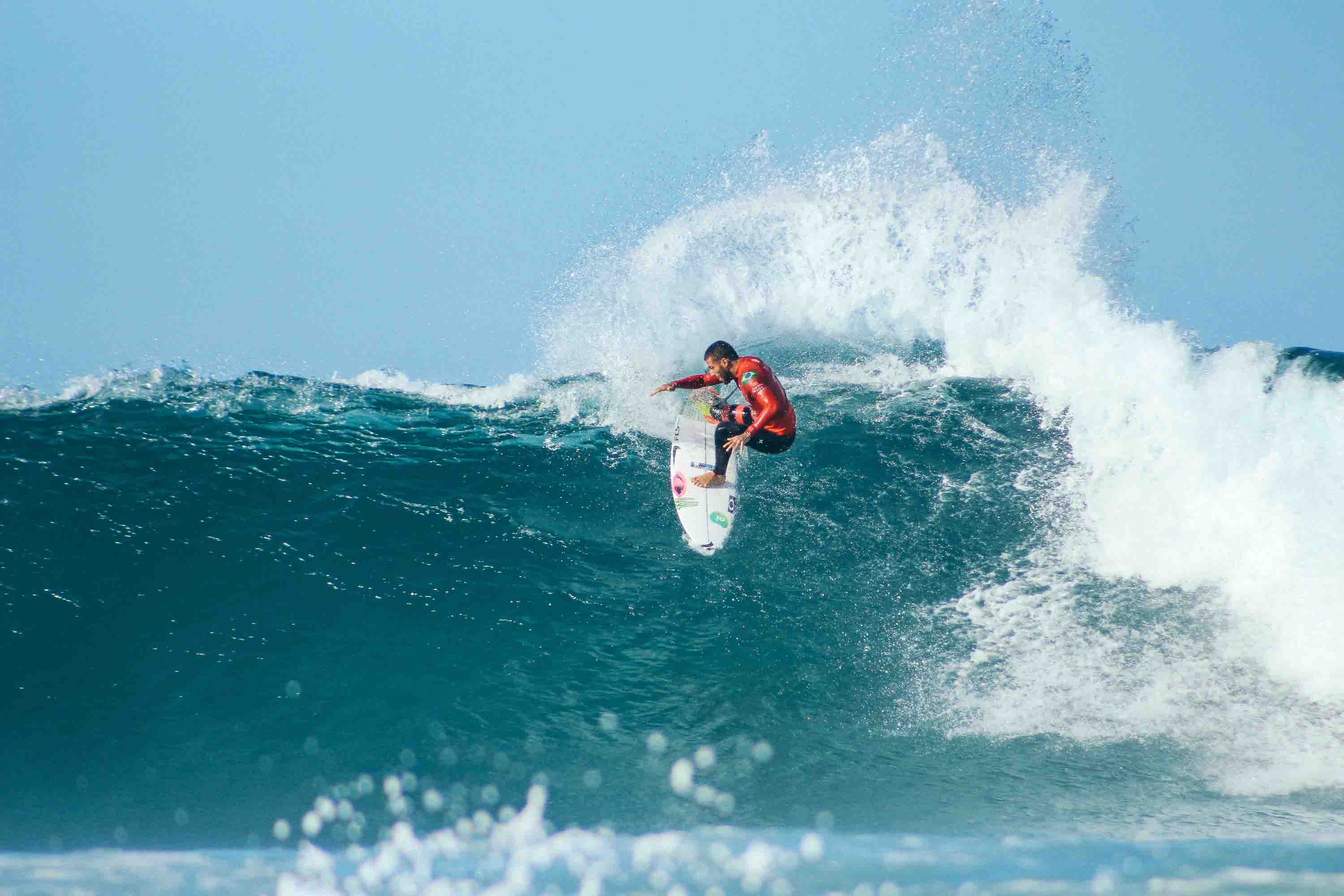
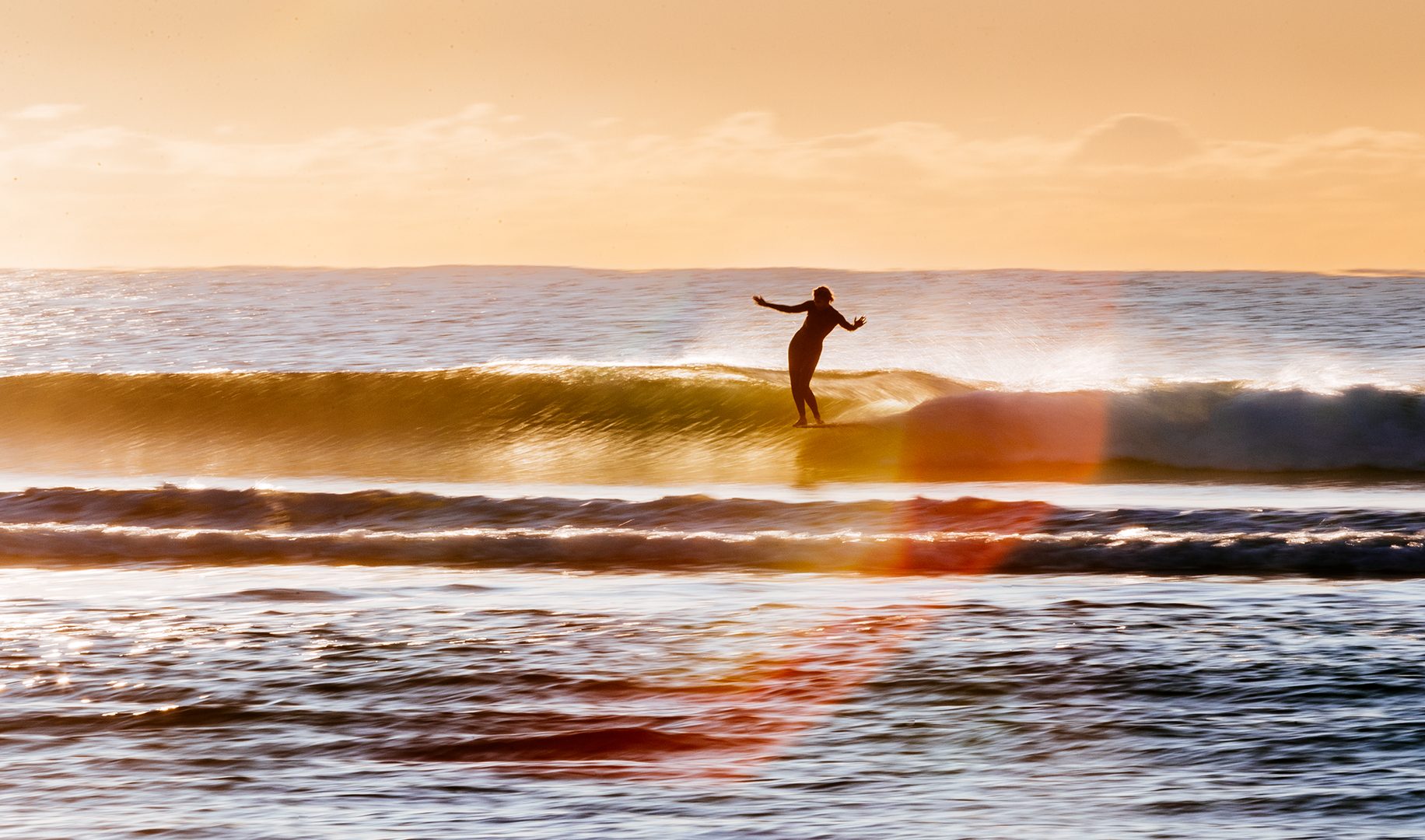
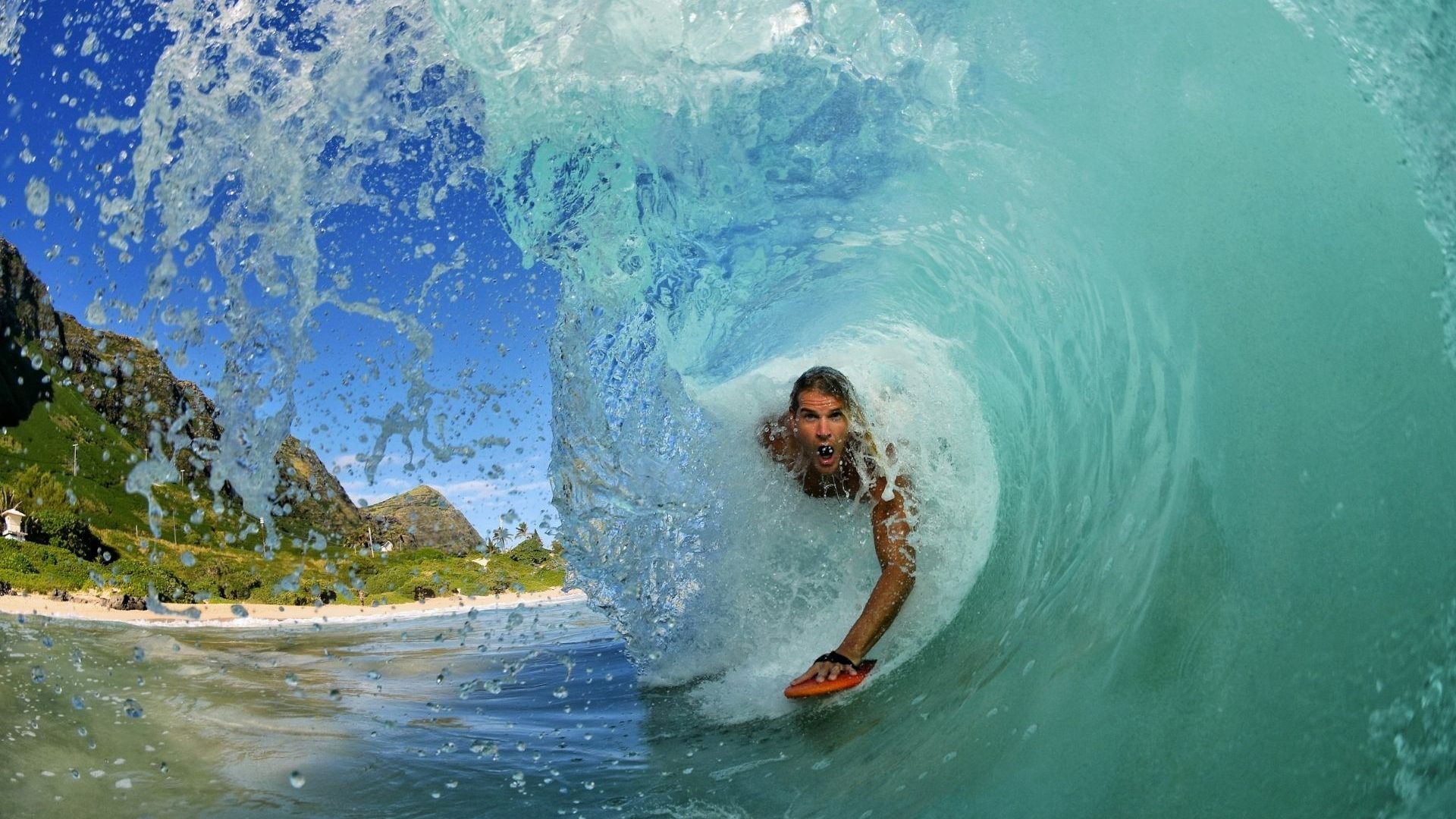
Without question, the premier destination for such trips is Indonesia’s Mentawai Islands, home to a series of offshore reefs and small islands that, wave for wave, contain the largest concentration of world class surf breaks anywhere on earth. With trips costing circa USD$2500 for 10 days, surfers will motor between famous reefbreaks such as ‘Lance’s Right’ and ‘Macaronis’ as conditions dictate.
Until very recently, boats were the only way to access these waves—and even then, involved multiple days of travel from the nearest large port of Padang, on mainland Sumatra. As word spread, boat tours sprang up to meet demand. Pioneered in the 1990s by Australian and US captains, such operations remain largely run by foreigners.
This state of affairs led to the introduction of the Mentawai Surf Tax. In 2015, the local Mentawai Regency government made the case that while thousands of surfers visited every year, local Indigenous communities received next-to-no benefit. Introduced in 2016 and designed to fund infrastructure for remote villages and manage waste, the tax doubled in early 2024, costing USD$130 for two weeks. However, it’s one of the most debated pieces of legislation in the surfing world, and inseparable from skepticism around how it’s distributed.
While the Mentawai tax is rare in how directly it targets surfers, governments in parts of Fiji, Brazil, Costa Rica and the Maldives have introduced environmental levies and permits to help ensure surfers bypassing traditional hotels and resorts still contribute to local economies and conservation.