Georgia’s Okefenokee National Wildlife Refuge has just been named a UNESCO World Heritage Site—but by the end of this year, the US plans to withdraw from UNESCO. What does this mean for the Okefenokee and for America’s World Heritage sites?


Georgia’s Okefenokee National Wildlife Refuge has just been named a UNESCO World Heritage Site—but by the end of this year, the US plans to withdraw from UNESCO. What does this mean for the Okefenokee and for America’s World Heritage sites?
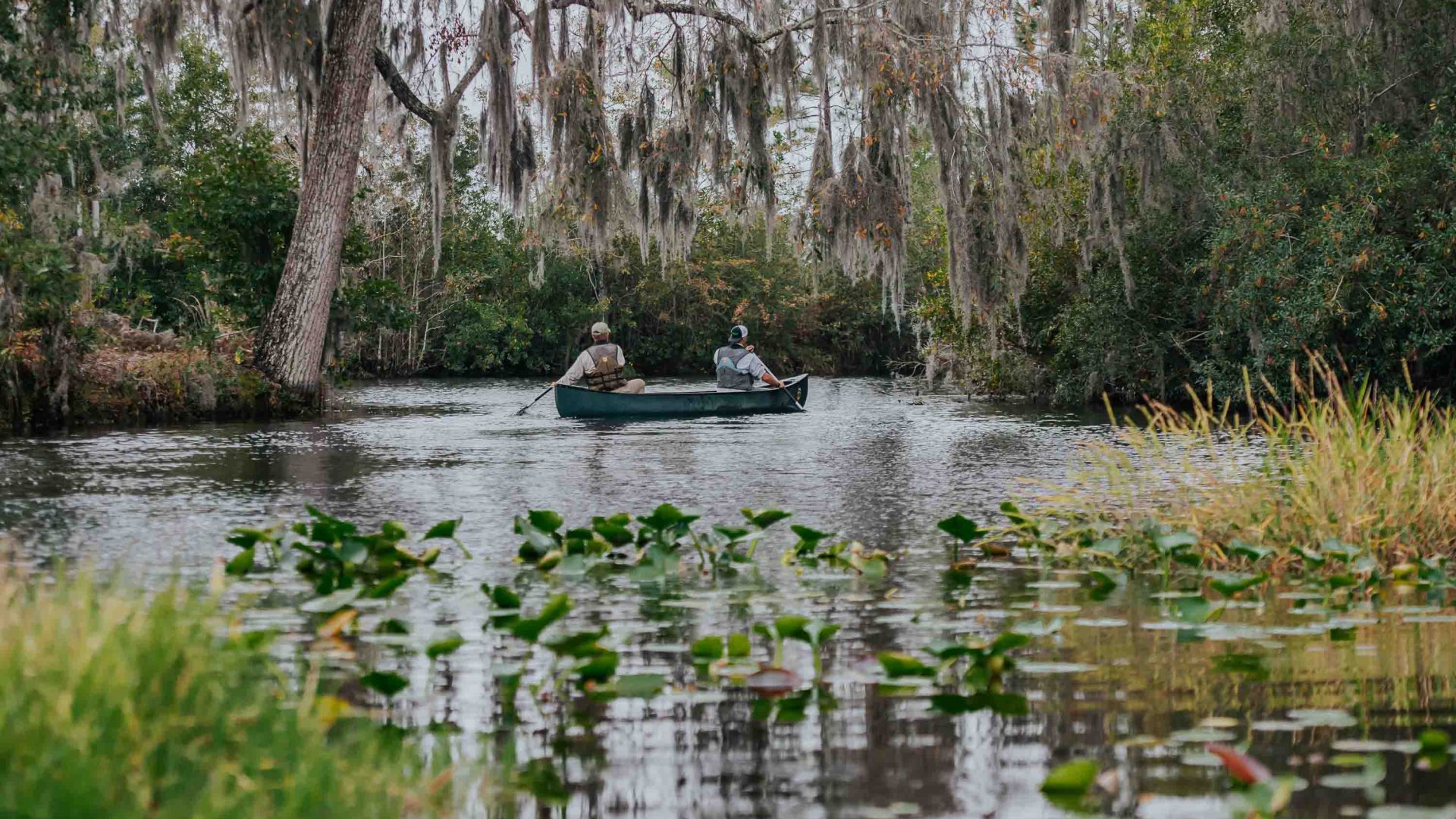
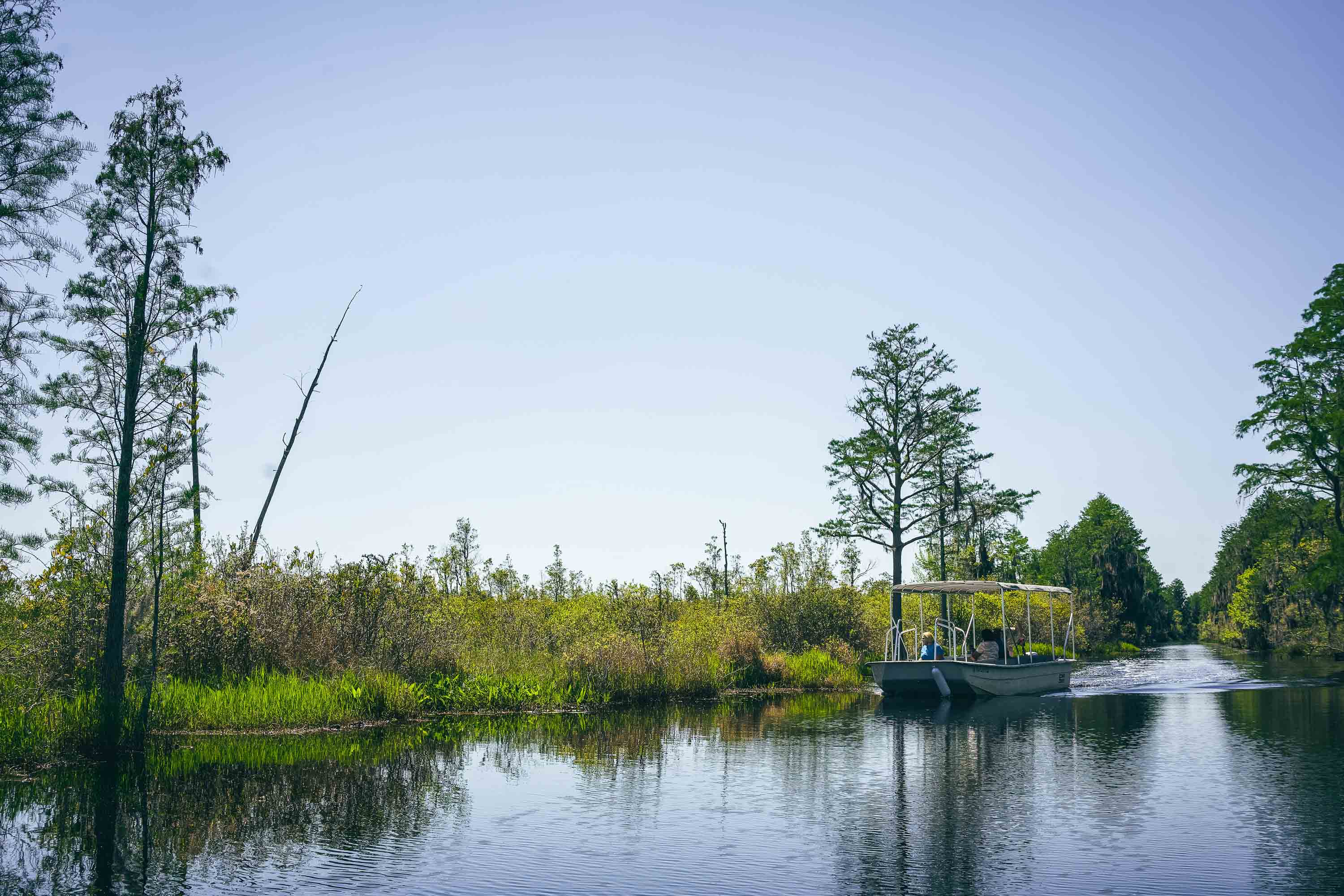
“Everybody alright?” Our park ranger asked the passengers aboard our covered pontoon boat as he turned onto one of the longer river trails within the Okefenokee Swamp. The swamp grew strikingly silent as we delved deeper on the trail; the only sounds were the rippling hum of the boat’s motor and the occasional “Wow!” from a child on board.
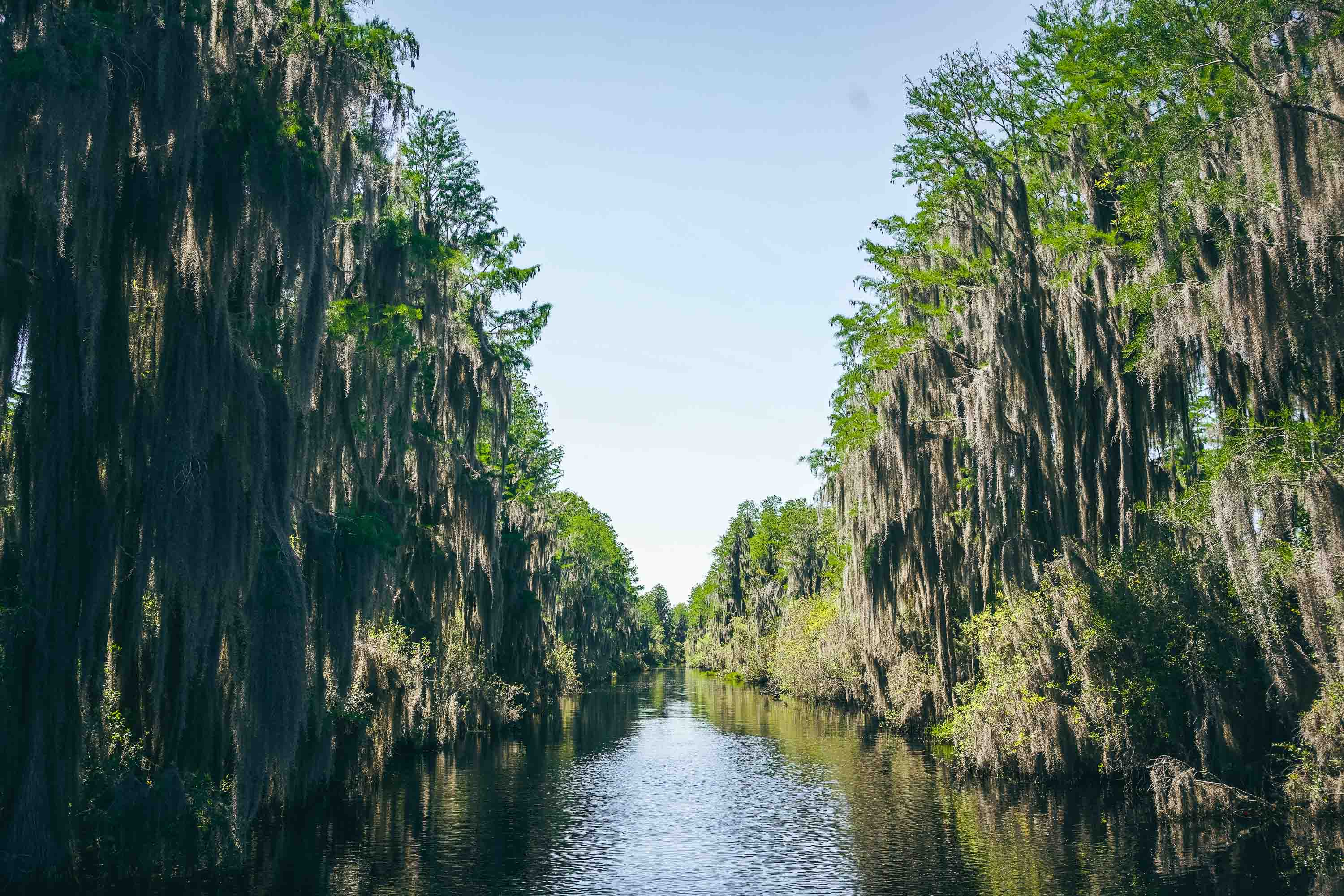
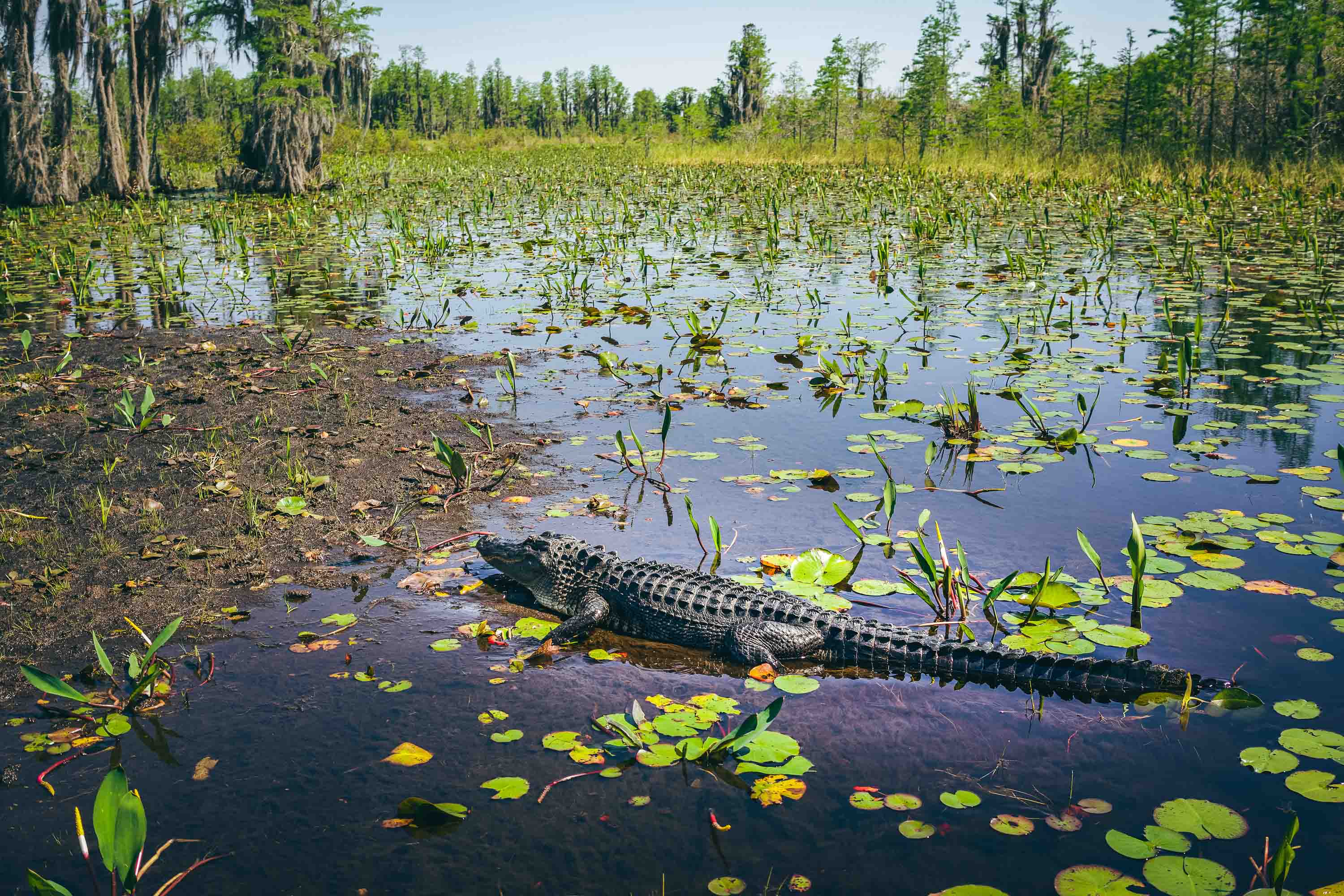
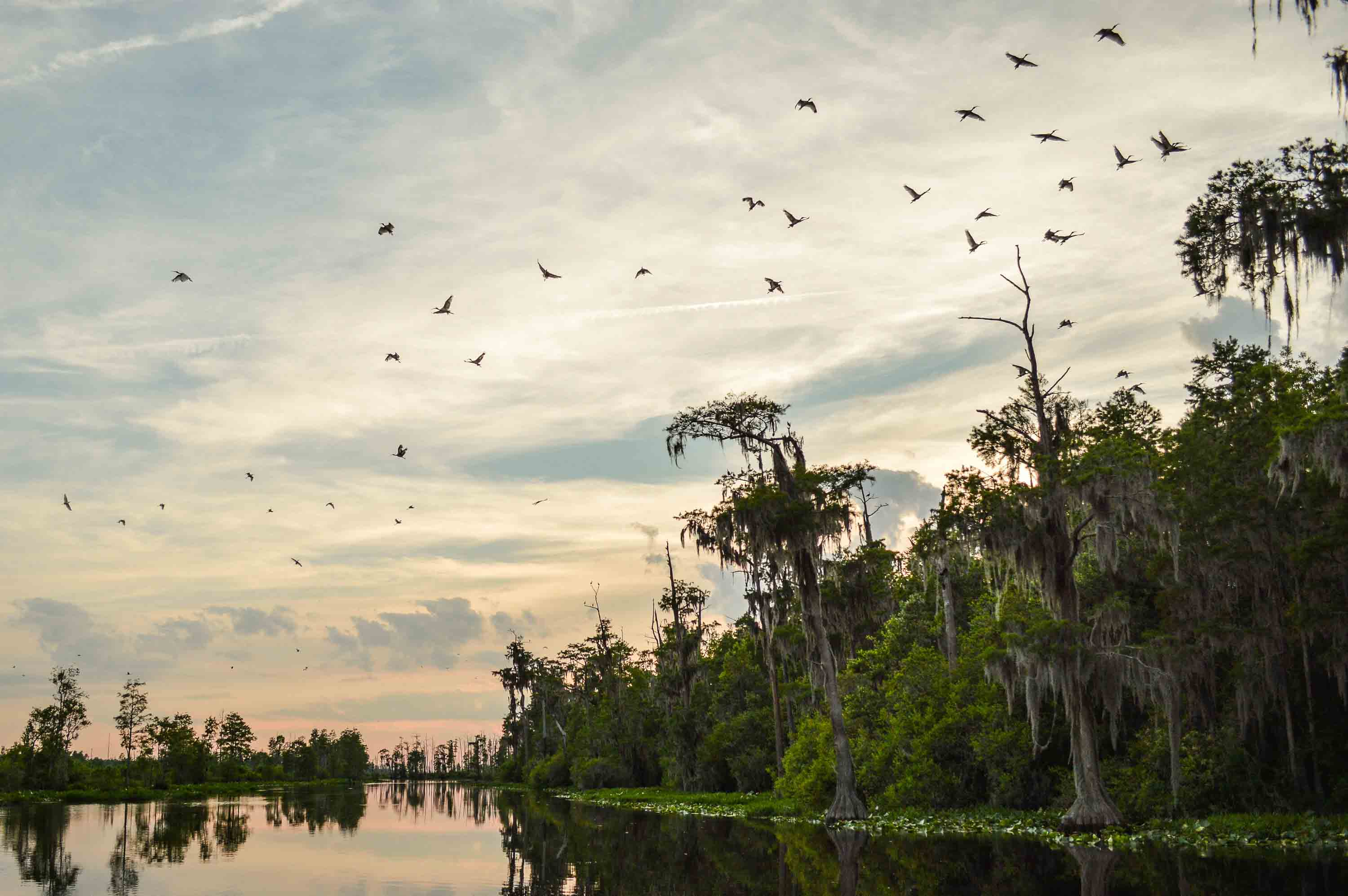
Soon, towering cypress trees loomed over us, Spanish moss draped across their limbs. I didn’t think anything could match the excitement of seeing American alligators sunning on the swamp’s banks a few moments earlier, but witnessing these sublime 80-foot (24-meter) giants rooted in the mirror-still water felt like slipping into another realm. I’d grown up in Georgia yet had missed this natural phenomenon for 40 years. I’d finally ventured south enough—near the state’s southwest border with Florida—to see the American South’s biggest secret. But mystery no more.
Today, the Okefenokee National Wildlife Refuge (to use its full name) becomes one of UNESCO’s newest World Heritage Sites. An intact lowland freshwater peatland and one of the world’s most extraordinary natural sites, UNESCO’s recognition is based on Okefenokee’s rich biodiversity—hundreds of plant species, including 18 kinds of carnivorous plants, 238 resident and migratory bird species, one of the largest populations of American alligator, and key populations of gopher tortoise, Florida black bear and red-cockaded woodpecker. It’s also of deep cultural and spiritual significance to the Mvskoke Native American people.
Mvskoke Nation citizen Tracie Revis is on the steering committee for the Okefenokee’s World Heritage bid. She says even though the Okefenokee was inscribed as a natural site, the area’s cultural story is intertwined. “Celebrating our culture and how we lived, hunted in, and thrived in the lands around the Okefenokee are important,” she told me from the World Heritage Committee meeting in Busan, South Korea. “We built mounds and had shell middens throughout the swamp. There were canoe channels that worked around and through the peat. These are a significant example of how my ancestors utilized and worked with the land or what we now refer to as tribal ecological knowledge.”
According to a scientific nomination report used by UNESCO when assessing the Okefenokee, there are 120 miles (193 kilometers) of water trails in the 400,000-acre refuge, but over 90 percent of the swamp is physically inaccessible to humans. “You can’t get across it in a boat,” conservation biologist Reed Noss said in a phone interview regarding his contribution to the report. “You can’t walk across it—there are places where if you tried to walk, you’d break through the floating vegetation mat, fall, and be trapped underneath the bog. I mean, it’s that severe.”
“I know of no other area in the southeastern US where such an amazing mosaic of wetland and upland communities, maintained by the interplay of fire and water, is so prominent and well preserved.”
- Reed Noss, conservation biologist
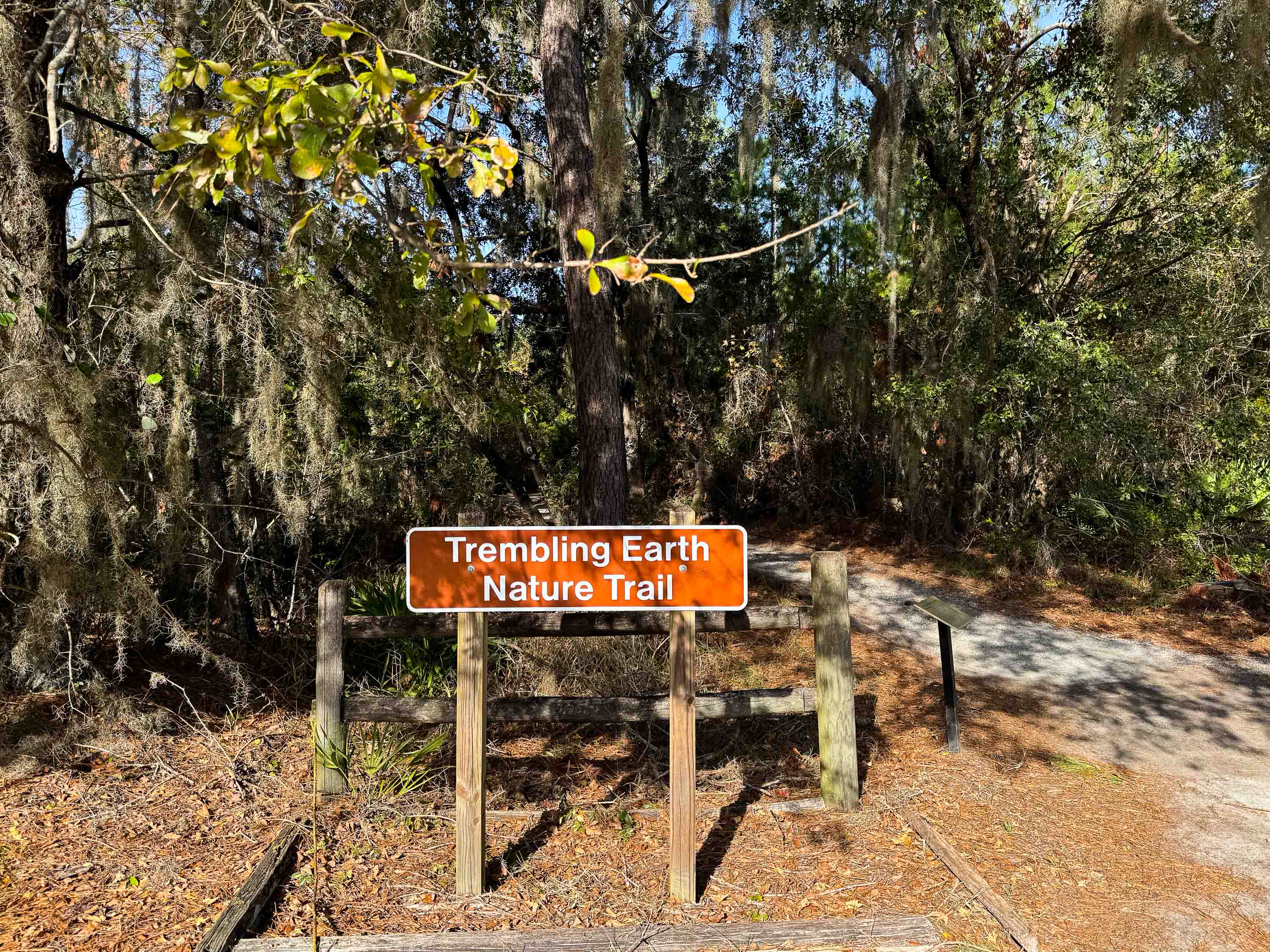
The floating bogs earned the Okefenokee the nickname ‘the land of trembling Earth.’ It’s this very wildness which has largely protected this inimitable ecosystem from human intervention, despite efforts to tame it. In the late 19th century, the Suwanee Canal Company attempted, and failed, to drain the swamp, and in the 1920s, loggers cleared millions of cypress trees. It finally became a national wildlife refuge in 1937.
“When you visit the Okefenokee today, there’s no way you would know those things unless you were with an interpretive naturalist and historic guide who would share those stories,” Kim Bednarek told me from a UNESCO symposium she was attending, in the lead-up to the Okefenokee’s inscription. She led the campaign as Executive Director of the Okefenokee Swamp Park (OSP) & Okefenokee Adventures which offer outdoor recreation activities across the swamp. “It is profoundly resilient. It’s a great story about when nature is allowed to return to its natural state, it does exactly that.
It’s ironic perhaps that the inscription comes months before the US withdrawal from UNESCO, scheduled for the end of the year. In July 2025, the Trump administration announced that the United States would withdraw from UNESCO, citing UNESCO’s admission of Palestine as a member state and its globalist agenda for international development as antithetical to the current administration’s policy.
While the withdrawal leaves an immediate budget funding decrease for UNESCO—US funding accounted for about eight percent of UNESCO’s budget—the departure further isolates the US and reduces its ability to participate in global conversations regarding culture, environment, and science.
However, this isn’t the first time a US site has been up for inscription while the country withdrew from UNESCO. In 1983, President Ronald Reagan announced he would withdraw the US from UNESCO—then, a few months before membership expired at the end of 1984, UNESCO inscribed Yosemite as a World Heritage Site, joining other World Heritage Sites in the US such as Everglades National Park and Grand Canyon National Park. The Okefenokee National Wildlife Refuge happens to follow a similar script.
However, even when UNESCO withdrawal is complete, all 27 of the US’s inscribed sites will maintain their World Heritage site status. A UNESCO spokesperson also said the US will maintain its State Party status; it won’t be able to vote on future sites, but it could continue to nominate US places for consideration.
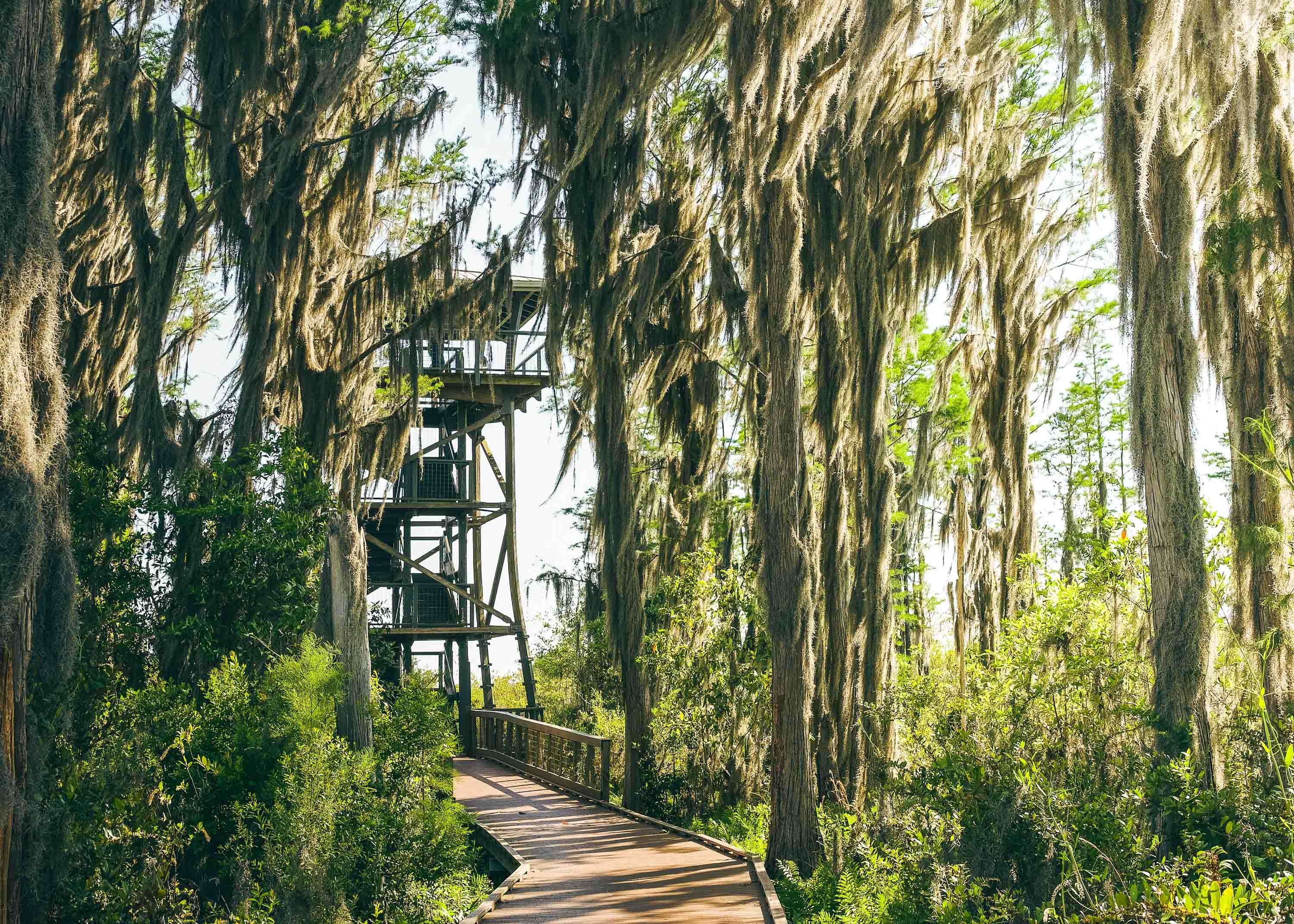
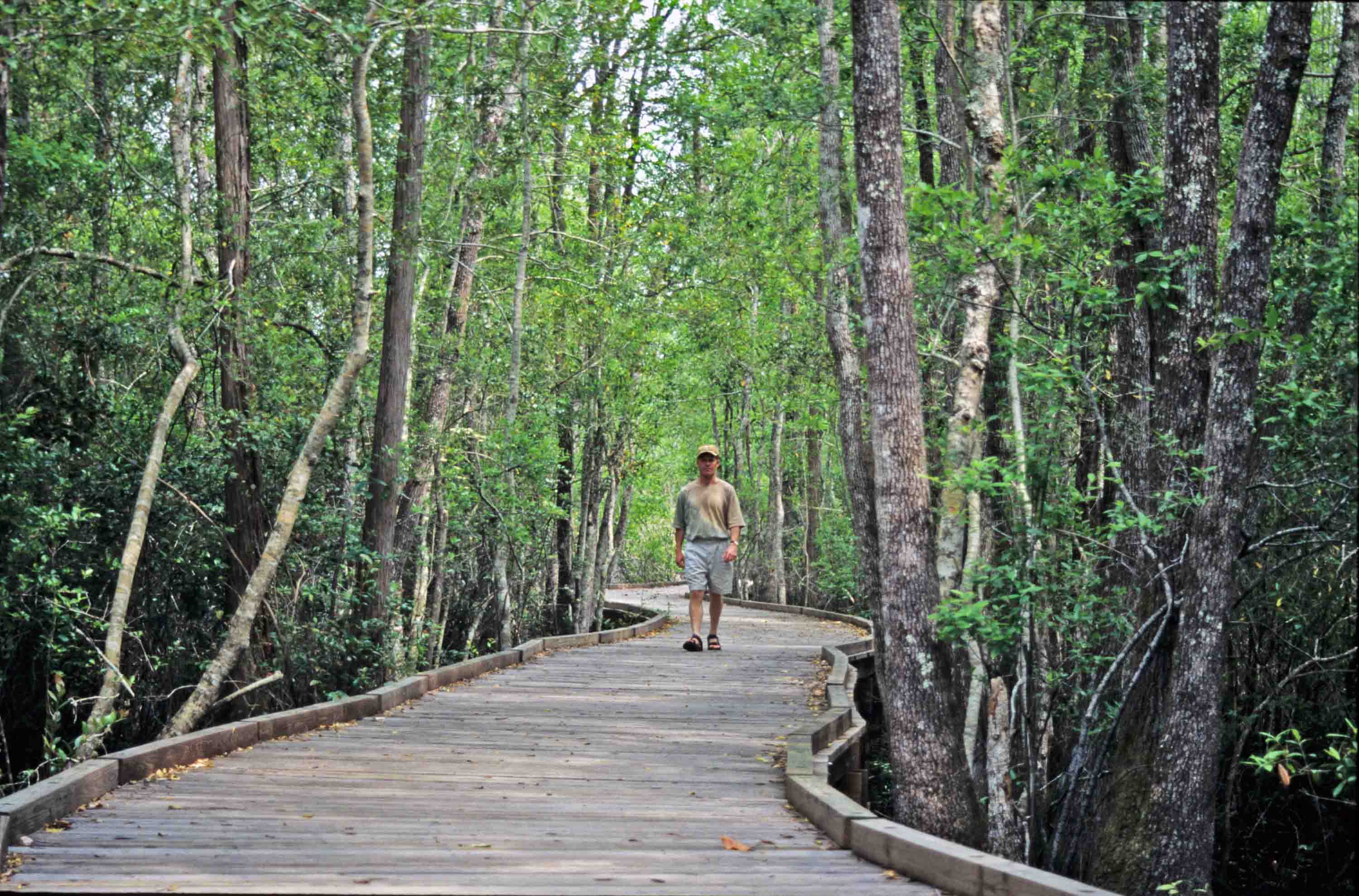
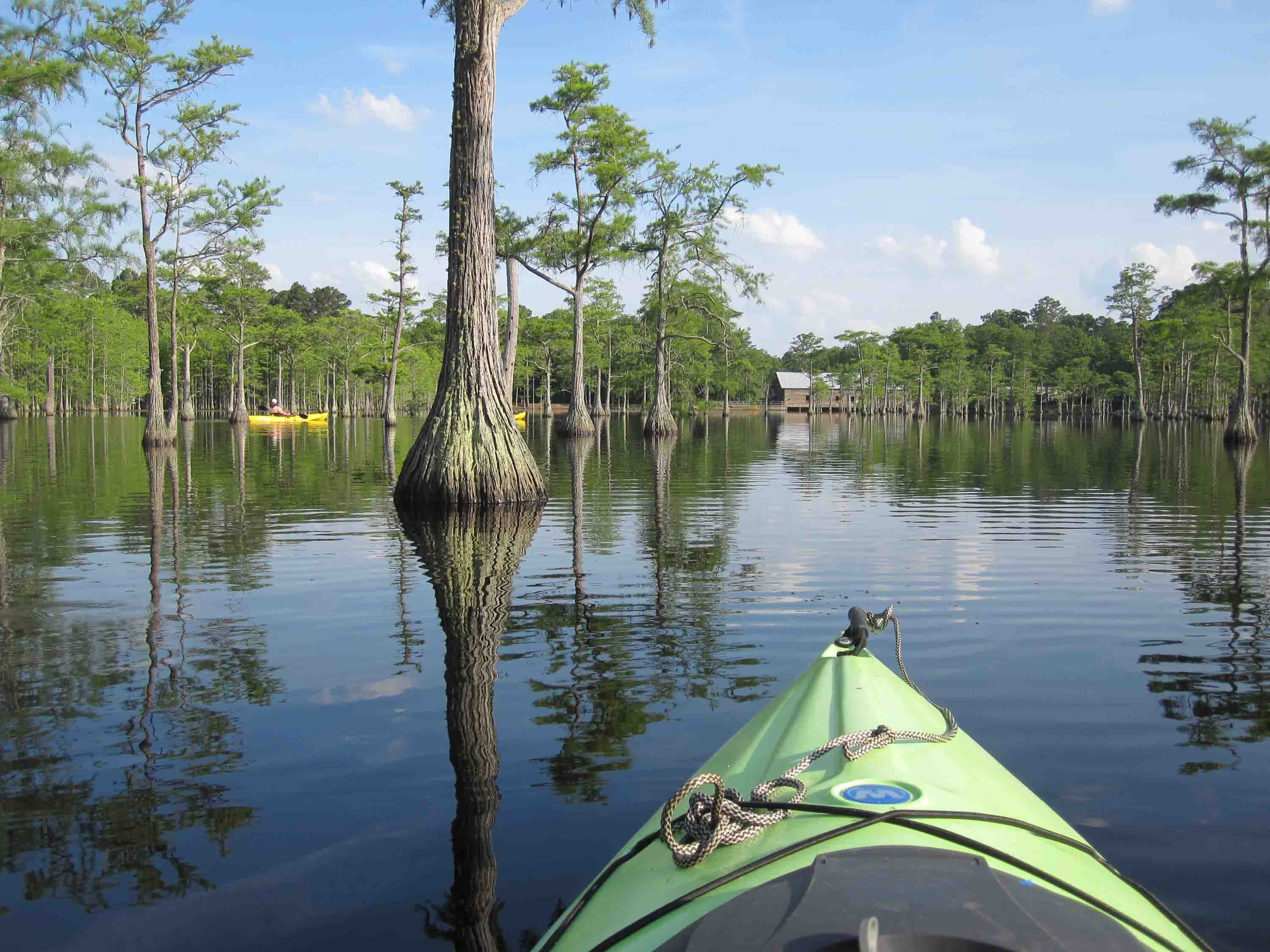
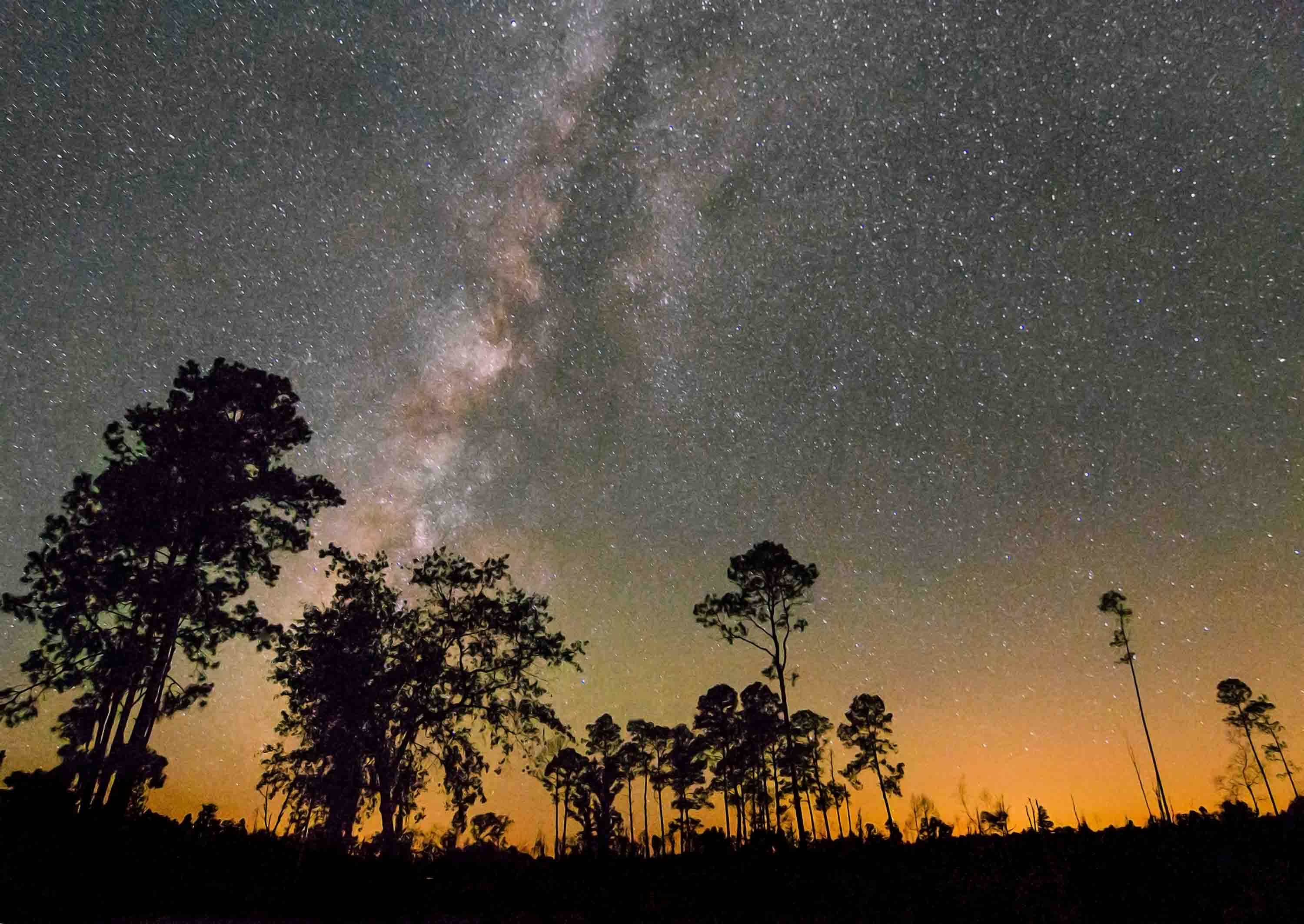
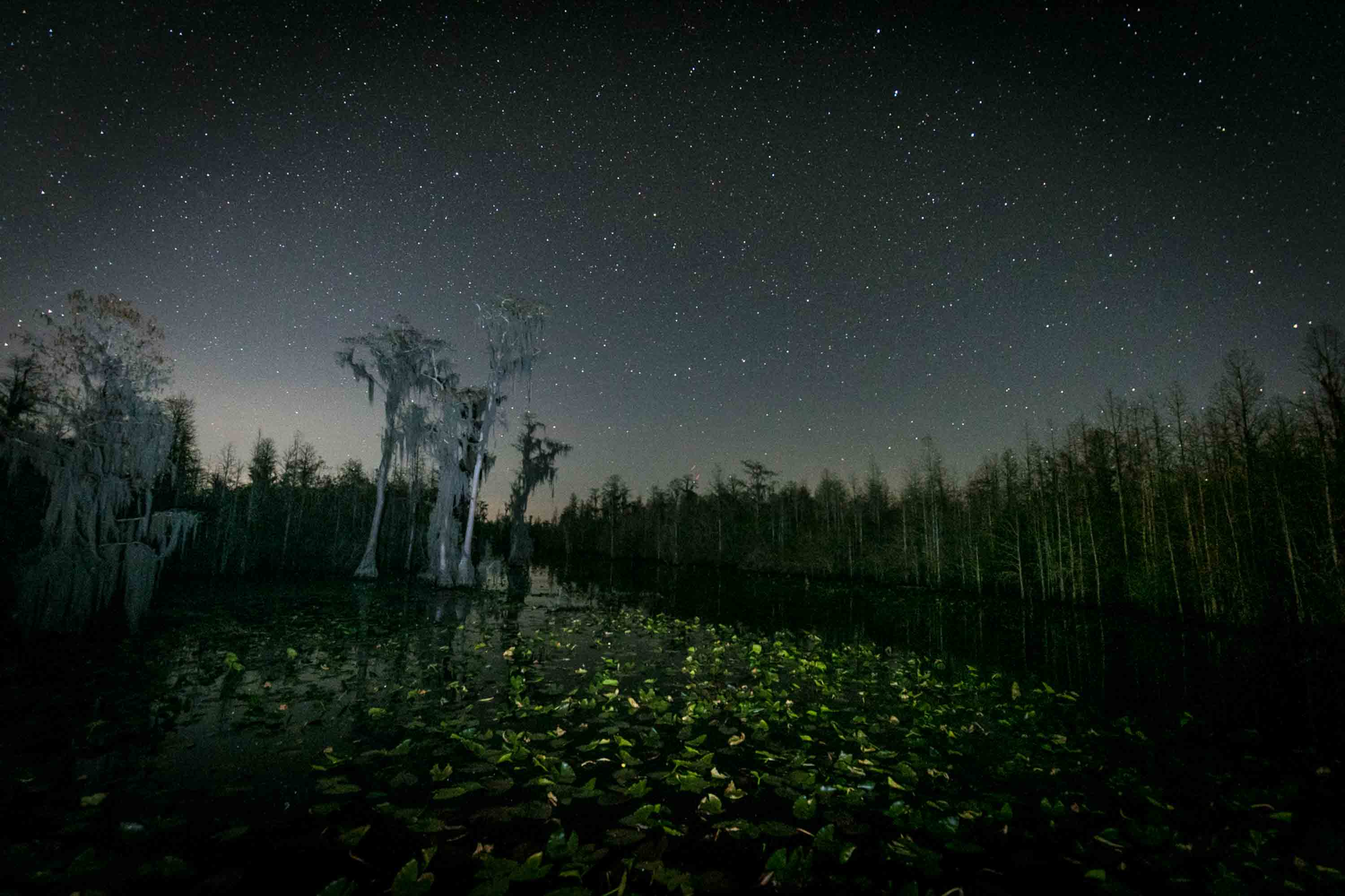
The Okefenokee Swamp is part of the North American coastal plain, a designated global biodiversity hotspot. Within that hotspot, stretching along the coast from Massachusetts to Northeast Mexico, the Okefenokee is the most intact ecosystem, and home to Georgia’s only certified dark sky park: Stephen C. Foster State Park, in the middle of the swamp.
“I know of no other area in the southeastern US where such an amazing mosaic of wetland and upland communities, maintained by the interplay of fire and water, is so prominent and well preserved,” Noss told me. “With every year, there are fewer places left that have that kind of autonomous identity as the Okefenokee. It carries on in its way without humans.”
“Speaking from my perspective of living in the Southeast in our ancestral homelands, this is an important milestone for Georgia and for the Muscogee (Creek) people.”
- Tracie Revis, Mvskoke Nation citizen
These biodiverse qualities were enough to get the attention of UNESCO, but it would take years before the Okefenokee would earn international recognition. This inscription was 44 years in the making; initially identified as a potential site in 1982, it was added to UNESCO’s tentative list in 2007.
Today, it has the accolade of being the state’s first UNESCO World Heritage Site and the first national wildlife refuge in the US to receive UNESCO status.
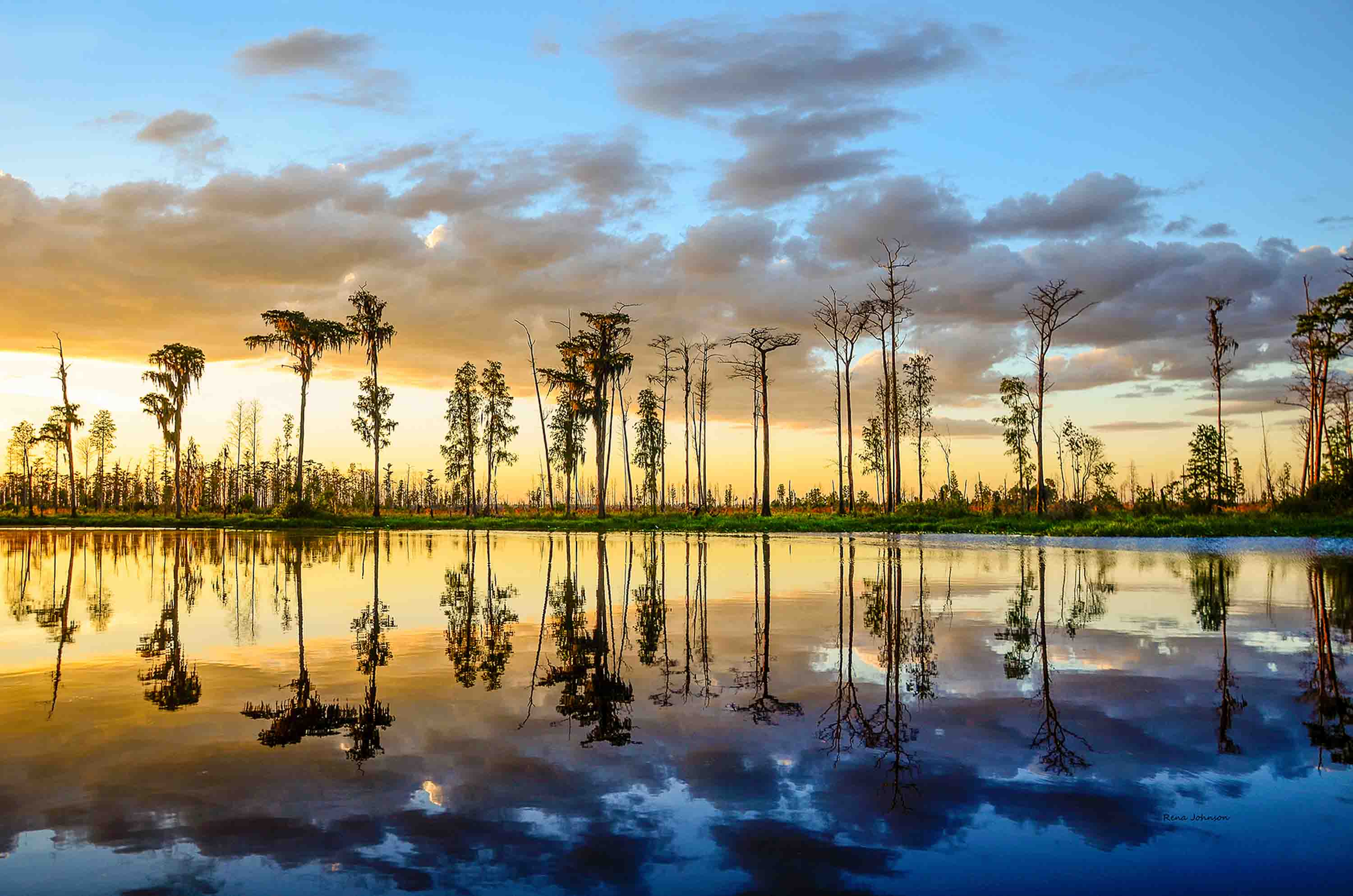
Now that the Okefenokee carries international recognition, Bednarek anticipates visitation to double within the next decade. The small, rural Georgia towns of Fargo, Folkston, and Waycross may have opportunities to increase their hospitality infrastructure, but for now, there aren’t many restaurants, hotels and outfitters to support travelers. Visitors are best prepared by bringing their own gear.
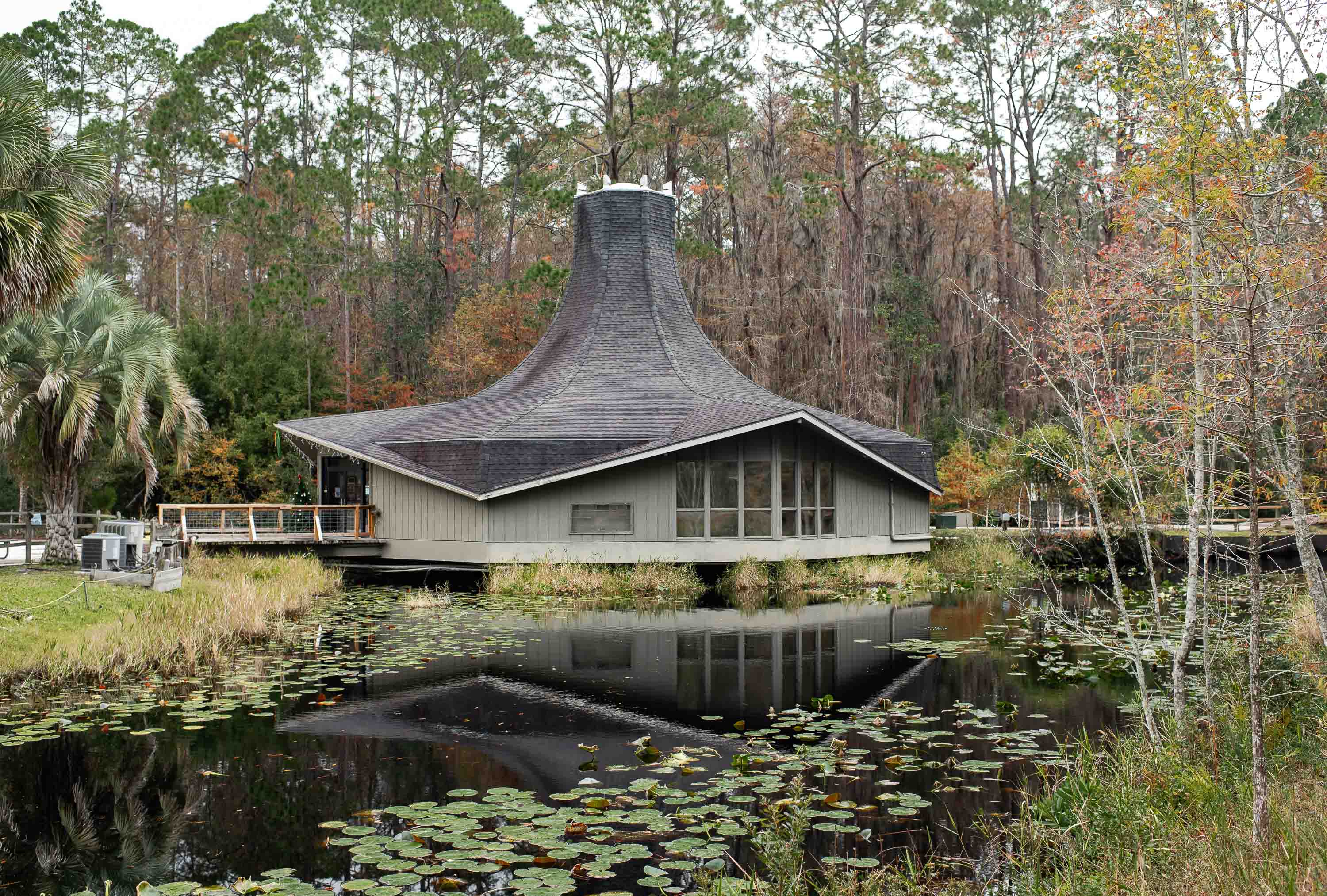
Flying into Jacksonville, Florida, is the best option for anyone further away than a train ride or road trip—the national wildlife refuge is about an hour’s drive away. Campers can stay in cabins or newly renovated campgrounds in Stephen C. Foster State Park, inside the national wildlife refuge near its western border with full hook-ups for RVs and a section for camping. For those keen for a more remote adventure, Okefenokee Adventures offers a camping trip where you kayak into your reserved platform, overlooking the swamp’s slow-moving blackwater—it’s your best opportunity to hear the rumbling bellows of an American alligator in the black of night.
No matter how people choose to visit, the World Heritage nod marks a first for Georgia on the global stage. “Speaking from my perspective of living in the Southeast in our ancestral homelands, this is an important milestone for Georgia and for the Muscogee (Creek) people,” Revis said. “The swamp is a beautiful place that has been a part of various cultures, and it is worth sharing with the world.”
****
Adventure.com strives to be a low-emissions travel publication. We are powered by, but editorially independent of, Intrepid Travel, the world’s largest travel B Corp, who help ensure Adventure.com maintains high standards of sustainability in our work and activities. You can visit our sustainability page or read our Contributor Impact Guidelines for more information.

Sheeka Sanahori is a freelance journalist and video producer who writes about family travel, sustainability, food and history for Travel + Leisure, Washington Post, National Geographic and others, and has produced videos for Lonely Planet and USA Today. As an 'International Center for Journalists' Bringing Home the World' fellow, Sheeka shot, wrote and produced a series of videos about wildlife conservation in Kenya.