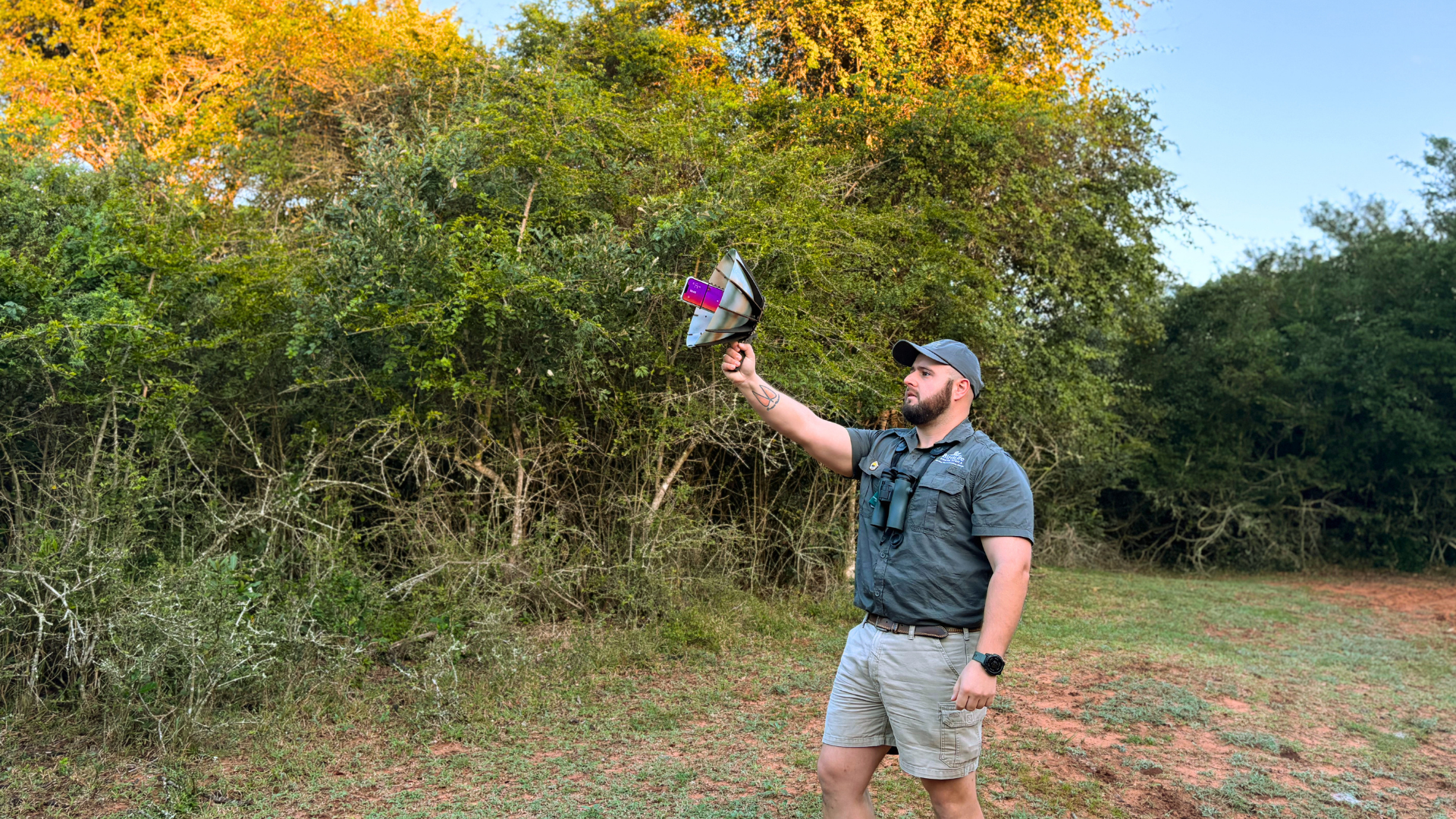
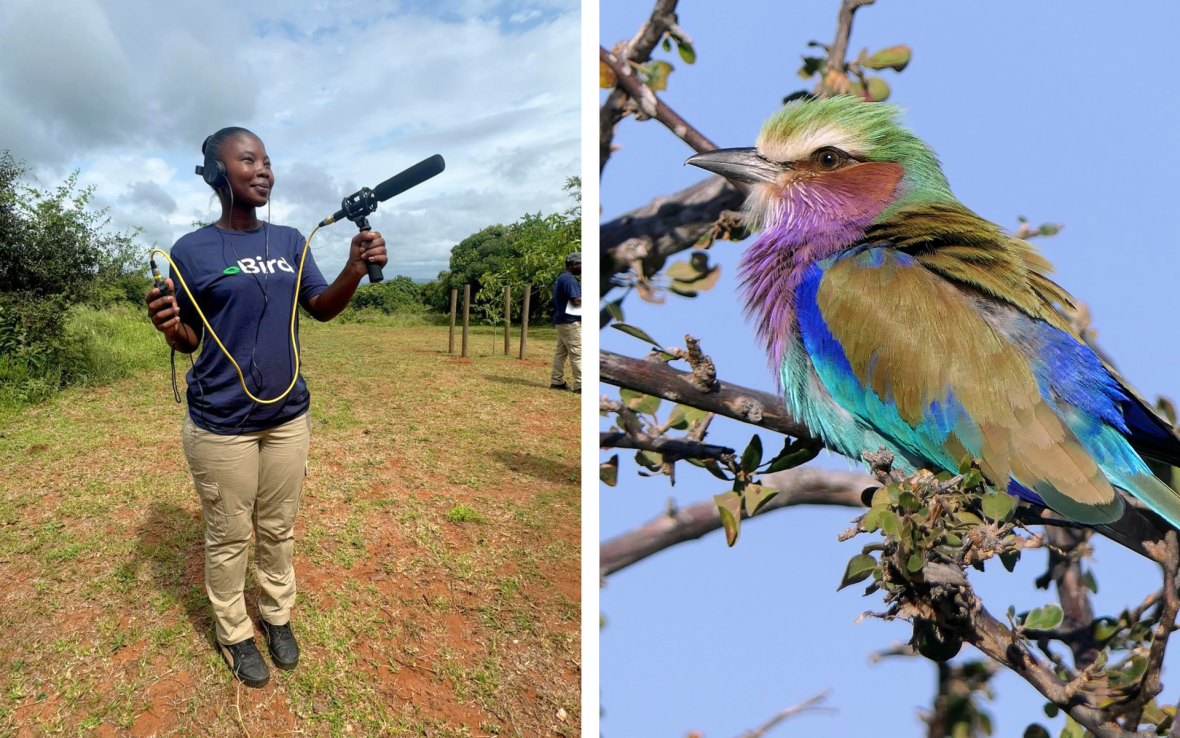
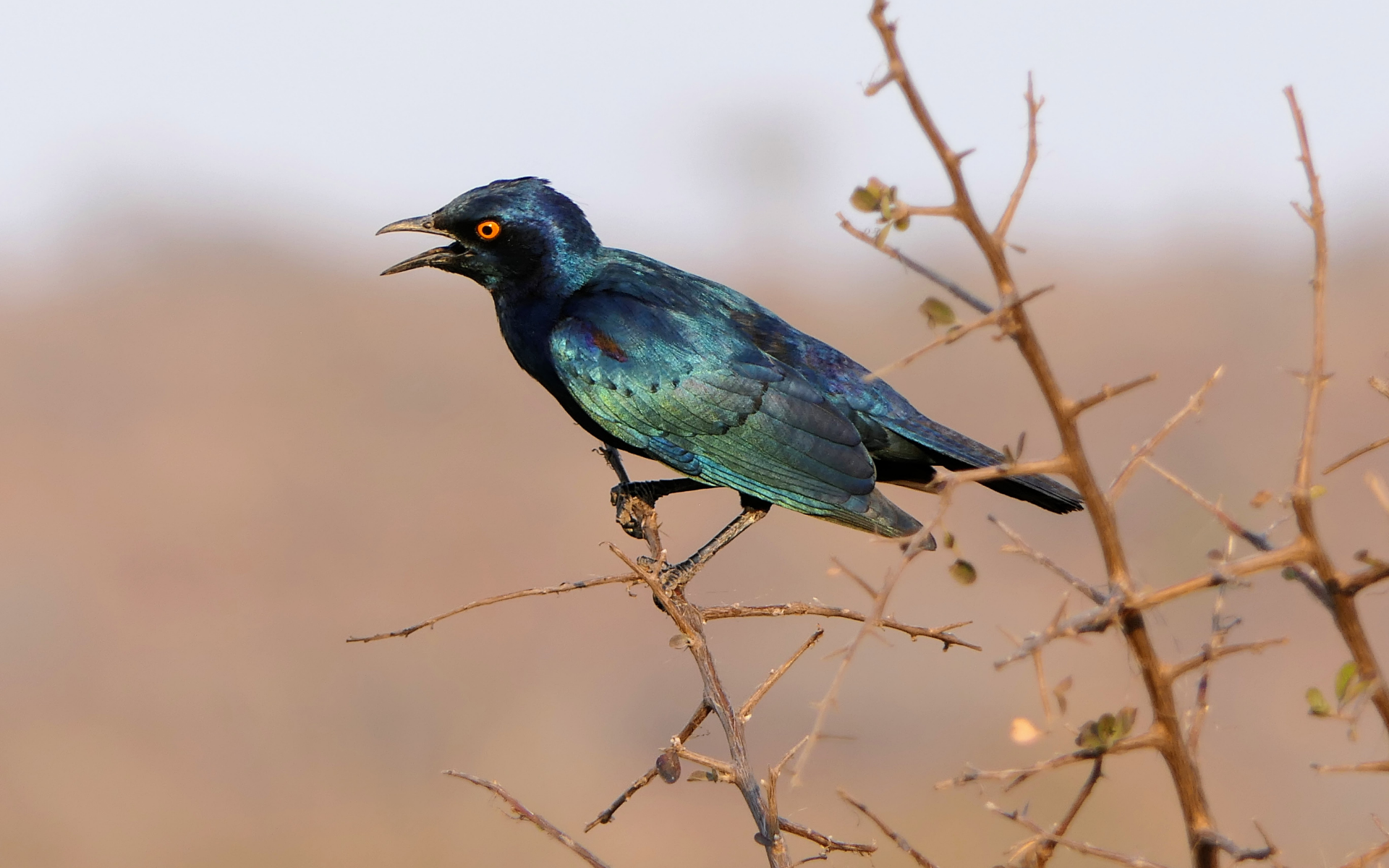
Before I see the lilac-breasted roller, I hear it: A harsh, rasping call that seems comically at odds with the bird’s delicate watercolor plumage. Nearby, Cape glossy starlings chatter and warble from the treetops, while the unmistakable wail of a majestic African fish eagle—widely known as the ‘voice of Africa’—carries across the Sweni River in South Africa’s Greater Kruger.
For birders living in Africa, like me, these sounds are as much a part of the continent as the animals themselves—and they provide invaluable clues when dense foliage makes the singers difficult to spot with your binoculars.
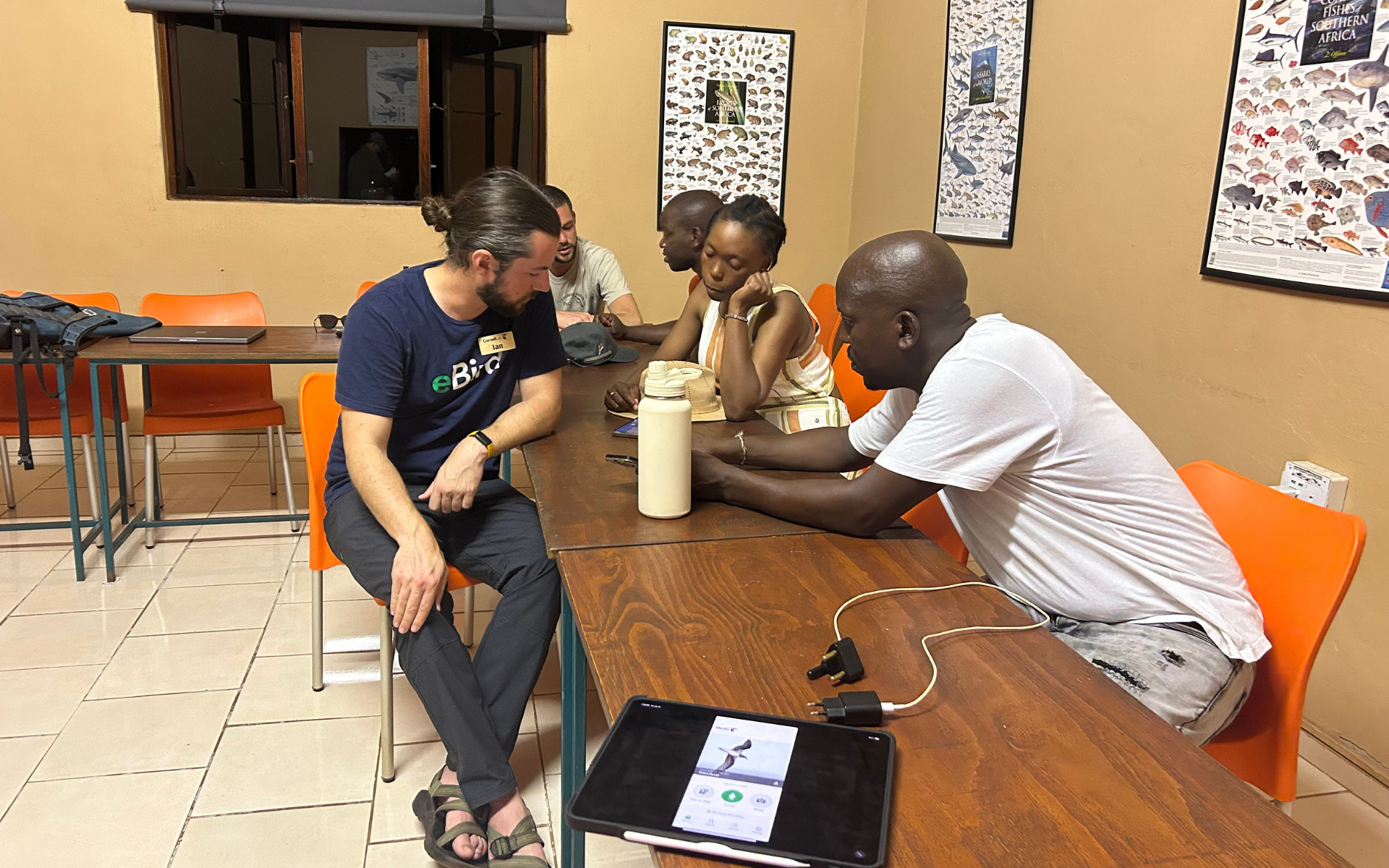
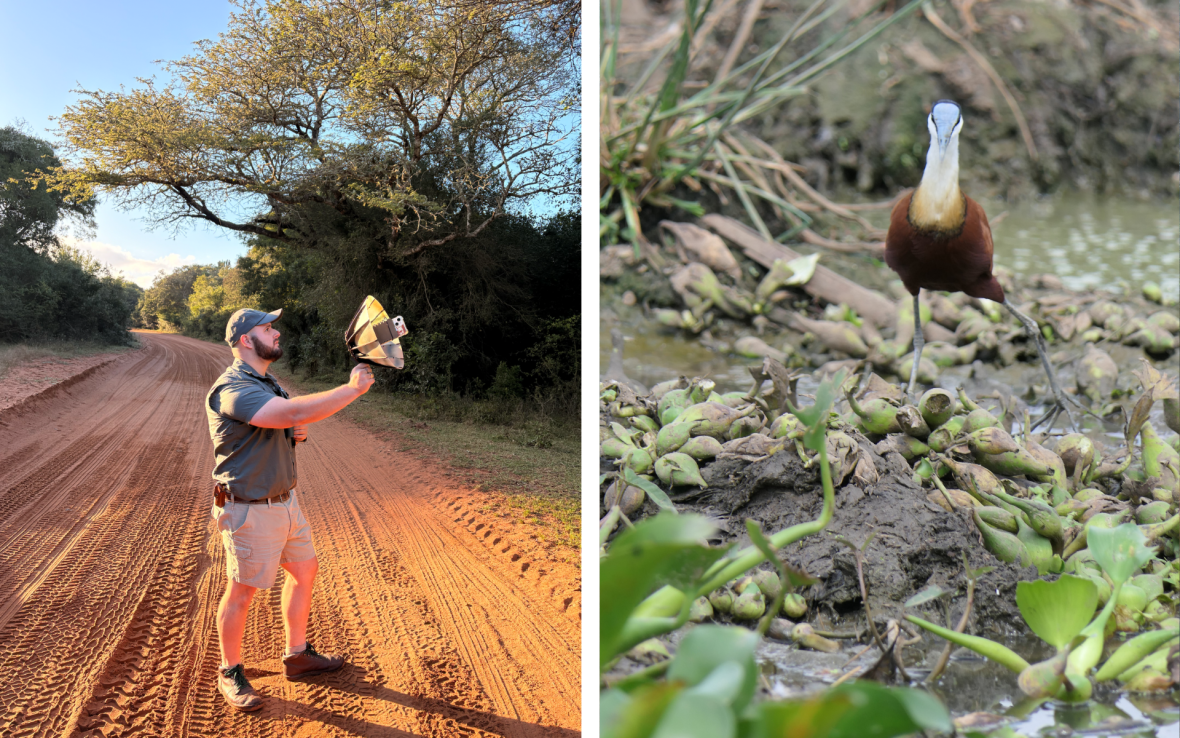
Yet for all of Africa’s remarkable biodiversity—more than half of its avian species are endemic—many remain poorly represented or even absent from the sound libraries that support AI-power identification tools. As a result, technology used to recognize birds doesn’t work as effectively across the continent. For example, less than 30 percent of African bird species have the 150 recordings needed to successfully train the popular Merlin Bird ID app (think of it like Shazam for birds).
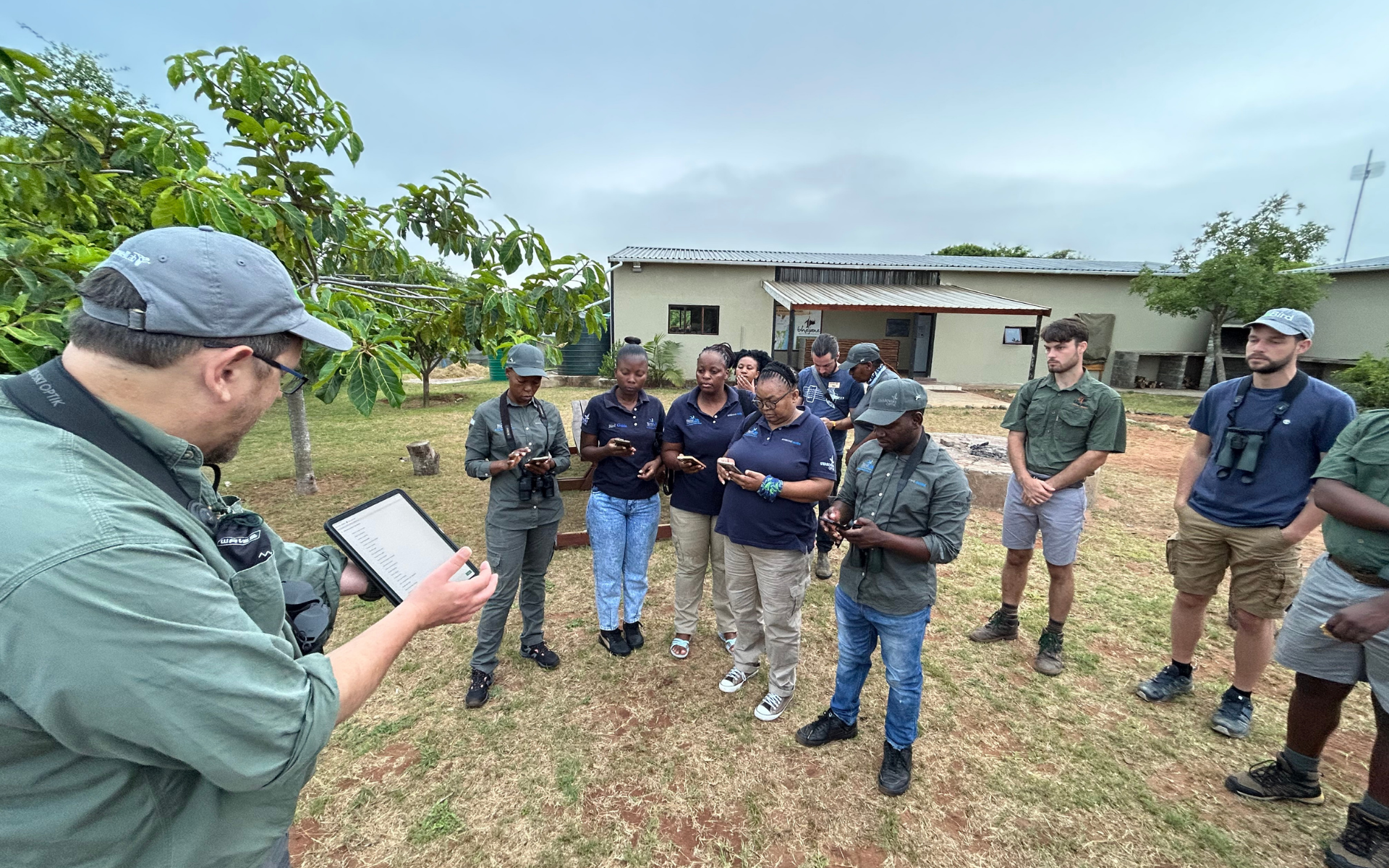
The Big Year of African Sounds—a continent-wide initiative led by the Cornell Lab of Ornithology and BirdLife South Africa—aims to fix that imbalance by rallying the birding community to document the vocalizations of more than 1,800 species across 50 countries.